Zacchaeus: A Scandalous Encounter with Grace
“And, behold, there was a man named Zacchæus, which was the chief among the publicans, and he was rich.” — Luke 19:2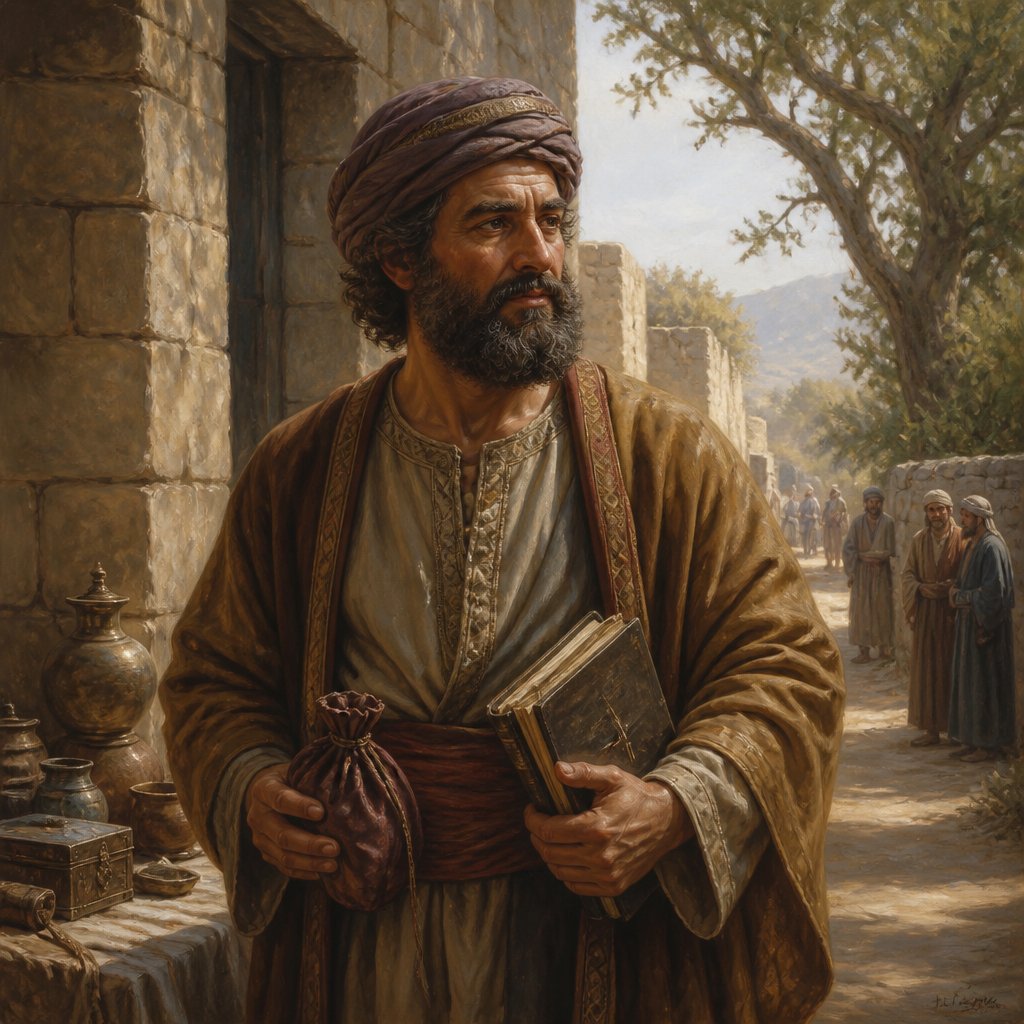
In the Gospel of Luke, chapter 19, verse 2 tells us, "And, behold, there was a man named Zacchaeus, which was the chief among the publicans, and he was rich." This brief introduction not only paints a vivid picture of Zacchaeus’ societal status but also sets the stage for one of the most profound encounters between Jesus and an individual, highlighting themes of grace, repentance, and transformation.
Zacchaeus was a man of significance in his community, being the chief tax collector or publican. Tax collectors in ancient Judea were typically viewed with disdain; they were seen as traitors in collusion with the Roman oppressors and were often dishonest in their dealings. The choice of Luke to describe Zacchaeus as "the chief among the publicans" elevates his status further, indicating that he was perhaps the most despised person in Jericho’s social hierarchy—rich but estranged from his fellow Jews, often the object of disdain and contempt.
His wealth, accrued through a corrupt means, did not shield him from the deeper longings of the human heart. Despite his riches, Zacchaeus's spirit felt impoverished. He longed for something more than monetary gain; the richness of community, honesty, and spiritual fulfillment were absent in his life. In an age where status was often defined by wealth and influence, Zacchaeus found himself alone at the pinnacle of the tax collectors—a wealthy man in a spiritual desert.
The name "Zacchaeus" itself means "pure" or "innocent," a stark irony against the backdrop of his lifestyle. How often do we find ourselves in similar contradictions? Striving to appear pure or achieving success on the outside while wrestling with inner turmoil? Zacchaeus’s life embodies this dichotomy, and herein lies the beauty of his story.
When Jesus entered Jericho, Zacchaeus heard about Him and, driven by desperation and hope, he sought to catch a glimpse of the man who was changing lives. The crowd was thick, and being short in stature, he could not see over the heads of those surrounding Jesus. In a moment of unrestrained fervor, he ran ahead of the crowd and climbed a sycamore tree to see Jesus as He passed by. This act of climbing a tree was not dignified for a man of wealth and status, yet it reflected a heart yearning for something beyond earthly concerns—a boyish eagerness to seek out truth.
As Jesus approached, He looked up and called Zacchaeus by name, "Zacchaeus, make haste, and come down; for today I must abide at thy house" (Luke 19:5, KJV). What could have been a routine day quickly turned into a life-altering moment. Jesus sought out Zacchaeus, demonstrating that no one is beyond the reach of His grace. He saw not just the sinner, but the man—someone who was lost yet deeply yearning for acceptance and truth.
In a culture that often marginalizes the broken and the outcast, this exchange signifies a radical acceptance. Zacchaeus did not come to Jesus as a religious leader, nor did he fulfill any ritualistic obligations; he came as he was, just a broken man in need of a Savior. The importance of this moment cannot be overstated; it illustrates that Jesus’s mission was to seek and save the lost (Luke 19:10, KJV).
Their encounter led to Zacchaeus’s transformation. Overwhelmed by grace and love, he confessed his sins, repenting of his dishonest ways and pledging to repay those he had cheated fourfold. This radical change not only impacted his own life but would ripple through his entire community. Zacchaeus’s salvation and restoration serve as a reminder that we, too, can find redemption no matter the weight of our sins or the scorn of society.
As we reflect on Zacchaeus’s story, we are called to examine the barriers we may have built to shield ourselves from God’s grace. Just like Zacchaeus, we can come to Jesus, unreserved in our desire to see Him and know Him. Faith knows no limits, and it transcends even the most scandalous pasts.
May we seek the heart of Jesus, who meets us in our brokenness, sees us in our trees, and calls us by name, inviting us into a relationship that transforms our lives. ”
Get our apps


Artwork for Luke 19:2

Luke 19:2 - "And, behold, there was a man named Zacchaeus, which was the chief among the publicans, and he was rich."
"And, behold, there was a man named Zacchaeus, which was the chief among the publicans, and he was rich." - Luke 19:2

Luke 2:19 - "But Mary kept all these things, and pondered them in her heart."

Luke 2:19 “But Mary kept all these things, and pondered them in her heart.”
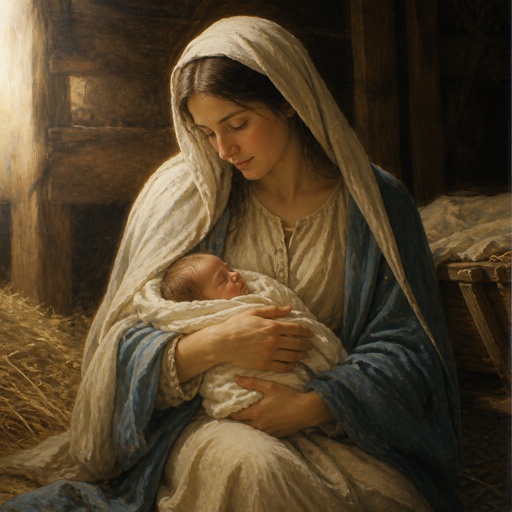
"But Mary kept all these things, and pondered them in her heart." - Luke 2:19

Luke 10:18-19

Luke 13:18-19

Luke 10:18-19

Luke 10:18-19

Luke 10:17-19

Luke 13:18-19

Luke 10:18-19

Luke 10:18-19

Luke 10:18-19

Luke 10:17-19

Luke 19:23

Luke 1:19

Luke 19:23

Luke 19:19 - "And he said likewise to him, Be thou also over five cities."

Luke 19:10

Luke 19:28

Luke 1:19
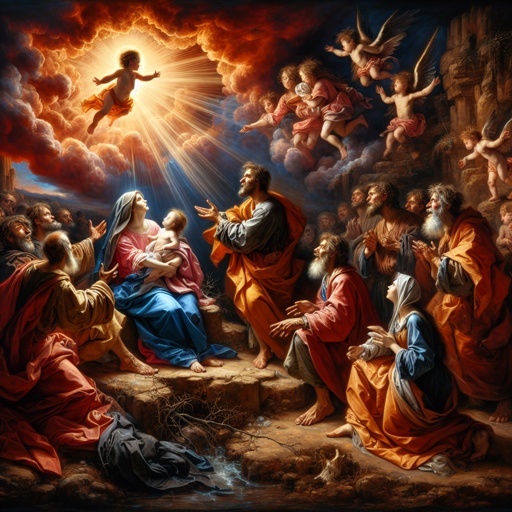
Luke 1:19

luke 21:5-19

Luke 19:1-10

Luke 10:18-19

Luke 19:1-10

Luke 21:15-19

Luke 4:19 - "To preach the acceptable year of the Lord."

Luke 19:34 - "And they said, The Lord hath need of him."