Fear and Faithfulness: A Contemplation on Luke 19:21
“For I feared thee, because thou art an austere man: thou takest up that thou layedst not down, and reapest that thou didst not sow.” — Luke 19:21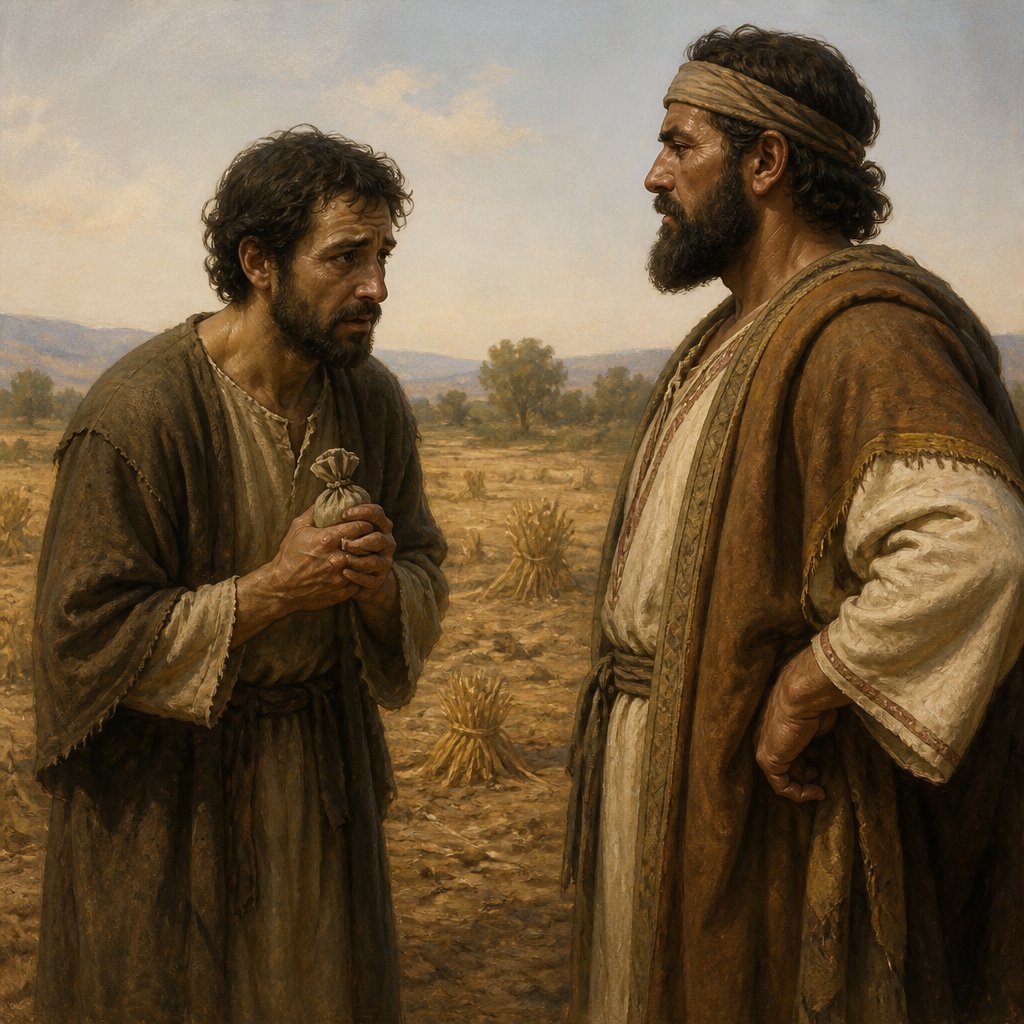
The parable of the ten pounds, found in Luke 19, provides us with profound truths about stewardship and the nature of God. As we delve into verse 21: "For I feared thee, because thou art an austere man: thou takest up that thou laidest not down, and reapest that thou didst not sow," we encounter a servant's response to his master, a response rooted in fear rather than faithfulness. This fear reflects a misunderstanding of the character of God and what He expects of us as His stewards.
In the context of the parable, Jesus portrays a nobleman who goes to receive a kingdom, entrusting ten servants with pounds to invest on his behalf while he is away. Each servant is given the same opportunity yet responds differently. However, the third servant, unlike the others who invest their master's money wisely, allows fear to dictate his actions. He does nothing with what he was given. Instead of taking risks and showing faithfulness, he retreats into his own insecurities, burying what was entrusted to him. This fear leads him to mischaracterize his master as "an austere man," thus justifying his inactivity.
To understand the true nature of our relationship with God, we must first unpack the servant's declaration of fear. The term "austere" suggests a strictness or severity that might provoke anxiety. In reality, our Heavenly Father is not a harsh taskmaster; rather, He is generous and loving, desiring us to thrive under His guidance. The misconception that God is demanding something from us that He does not provide is a common bondage that many believers grapple with. We may fear failure or falling short of expectations, leading us to bury our talents, gifts, and calls in the soil of despair or self-doubt.
The reality is that God gives us the resources—both physical and spiritual—necessary for us to fulfill His calling. Our capabilities may vary like the talents given to different individuals, but the expectation is consistent: we are to invest and grow what we have received, even if it requires risks and steps outside our comfort zones.
This parable teaches us that fear should never be a reason for inaction in our faith walk. Instead, our understanding of God's character should compel us to act boldly, believing that He is with us and empowers us to succeed in His mission. Even when we encounter failures along the way, God is not inclined to punish us; rather, He teaches us resilience and growth through those experiences. The very act of attempting—of engaging our gifts in service—might bring learning and development, shaping us into the individuals He created us to be.
Furthermore, the parable illustrates the consequences of not using what has been entrusted to us. The master tells the third servant that he should have at least placed the money in the bank to earn interest. This means that even minimal effort or faith, when aligned with God's expectations, yields fruit. Thus, doing nothing is worse than making a mistake through faithful engagement.
In closing, we must ask ourselves: are we burying our gifts in fear, mischaracterizing the God we serve? Are we failing to recognize His generosity and desire for our growth? Let us, then, step out of the shadows of fear, embracing the call to invest our lives in service to God and others. May we approach our Master not with trembling but with reverence, knowing He is "not willing that any should perish, but that all should come to repentance" (2 Peter 3:9). Let us use all He has given us, fully trusting in His goodness and faithfulness, and in doing so, we will witness the abundant harvest that emerges from our faithful works.
Get our apps


Artwork for Luke 19:21
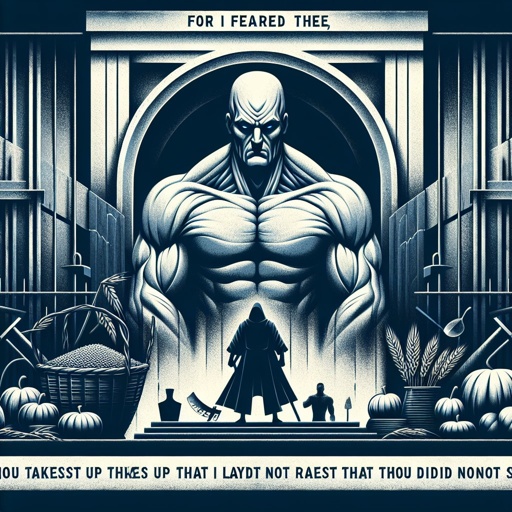
Luke 19:21 - "For I feared thee, because thou art an austere man: thou takest up that thou layedst not down, and reapest that thou didst not sow."
"For I feared thee, because thou art an austere man: thou takest up that thou layedst not down, and reapest that thou didst not sow." - Luke 19:21

luke 21:5-19

Luke 21:15-19

Luke 21:19 - "In your patience possess ye your souls."

luke 21:5-19 with all people of color

luke 21:5-19 with all people of color

luke 21:5-19 with all people of color

luke 21:5-19 with all people of color

"In your patience possess ye your souls." - Luke 21:19

Revelation 19:19-21

Revelation 19:19-21

Revelation 19:19-21

Luke 13:20-21

Luke 13:20-21
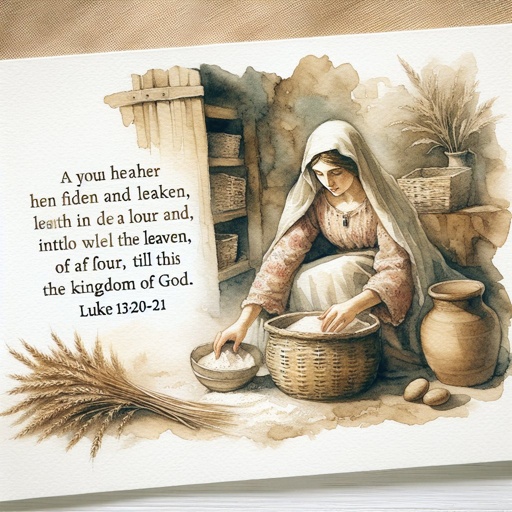
Luke 13:20-21

Luke 13:20-21

Luke 13:20-21

Luke 10:18-19

Luke 13:18-19

Luke 10:18-19

Luke 10:18-19

Luke 13:18-19

Luke 10:17-19

Luke 10:18-19

Luke 10:18-19

Luke 10:18-19

Luke 10:17-19

Luke 15:21

Luke 21:24