The Fear of Man vs. the Fear of God
“And the chief priests and the scribes the same hour sought to lay hands on him; and they feared the people: for they perceived that he had spoken this parable against them.” — Luke 20:19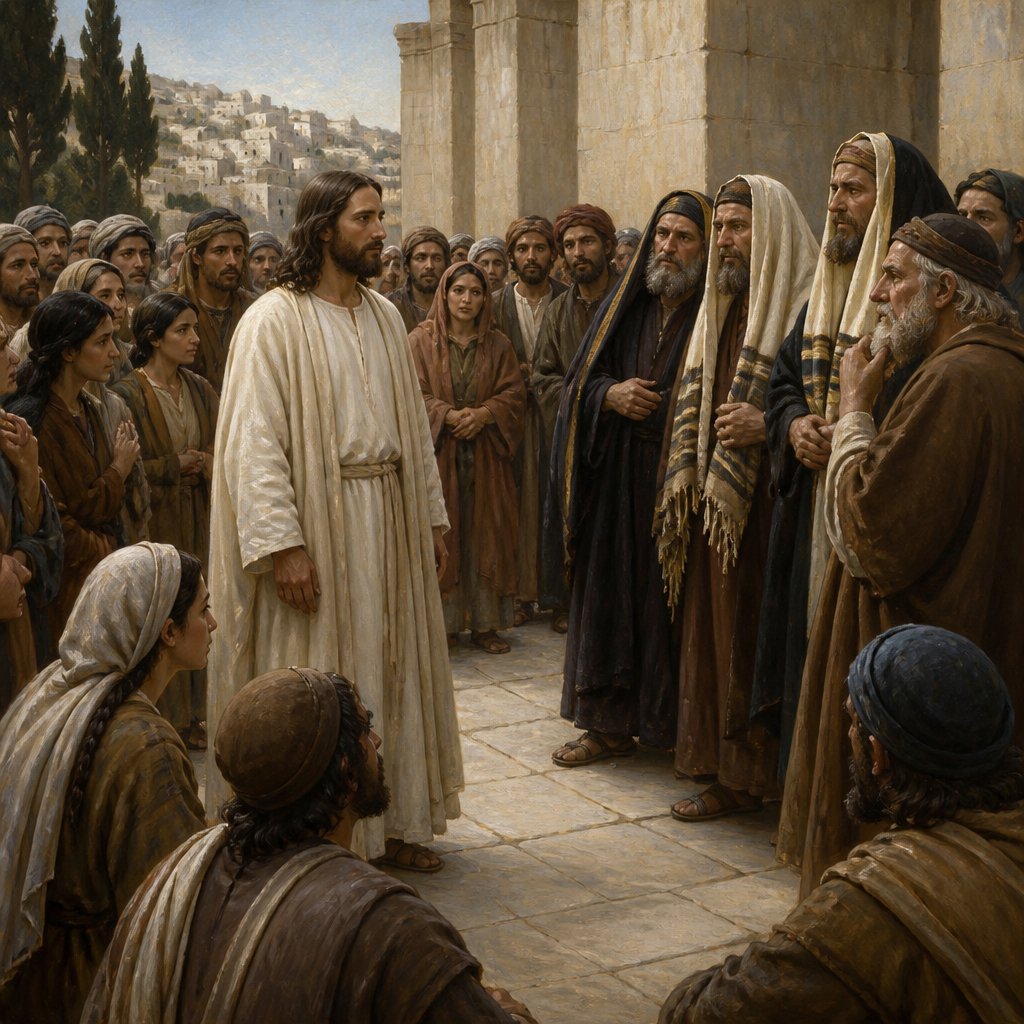
In the Gospel of Luke, chapter 20, verse 19, we witness a pivotal moment in the relationship between Jesus and the religious authorities of His day. The King James Version states, "And the chief priests and the scribes the same hour sought to lay hands on him; and they feared the people: for they perceived that he had spoken this parable against them." This verse encapsulates the tension that existed between the leaders of the Jewish community and Jesus, whose message threatened the status quo.
To understand the weight of this verse, we must first recognize who the chief priests and scribes were. These individuals were not just simple leaders; they were the religious elite, who held significant power and influence over the people. Their role was to interpret the Scriptures, uphold the Law, and guide the spiritual lives of the Jewish community. Yet, when confronted with the truth of Jesus's teachings, they resorted to fear and suppression rather than humility and repentance.
The phrase "sought to lay hands on him" reveals their intent to silence Jesus by any means necessary. They recognized that His parable was a direct critique of their hypocrisy and failure to lead the people faithfully. Yet, they were not acting out of a desire for righteousness but from a place of self-preservation. They feared the people, not because they revered Jesus, but because they knew that the common folk were mesmerized by His words and miracles.
Here, we are reminded of a profound truth: fear can lead us away from God’s purposes. The fear of man often leads to a paralysis of faith, causing us to prioritize public approval over divine obedience. Just as the chief priests and scribes were caught in their web of fear, we too can find ourselves hesitating to stand for what is right or to speak the truth because we worry about the opinions of others.
This fear stemmed from a perceived loss of control. The chief priests and the scribes wanted to maintain their authority and respectability, so when Jesus’s parables revealed their flaws and challenged their positions, they felt threatened. Their refusal to accept the challenge means their hearts became hardened, leaving no room for the transformative power of repentance. Jesus’s words were meant to stir their spirits, drawing them back to the heart of God, yet they interpreted His message as an existential threat.
In our lives, we must discern where fear dictates our actions. Are we avoiding confrontation with family members about faith matters out of fear they may reject us? Do we shy away from sharing the gospel in our workplaces because we dread the potential backlash? Like the scribes and chief priests, we may become protective of our comfort zones, forgetting that our calling as Christians is to stand boldly in the truth of Christ, regardless of the consequences.
Moreover, this passage teaches us about the importance of genuine humility. In contrast to the scribes and chief priests, Jesus exemplifies the true servant leader. Rather than seeking to uphold His status, He willingly embraced ridicule and ultimately, death, for the sake of fulfilling His mission. His interactions were laced with compassion and truth, as He extended grace even to His accusers.
Therefore, we must evaluate our hearts and motives. Are we drawn to worldly approval, or are we willing to endure hardship for the sake of Christ? We can find hope in the knowledge that those who stand firmly for God’s truth will face opposition but will also experience the joy of leading others to Him.
As we reflect on Luke 20:19, let us strive to fear God above all else, allowing that reverent fear to guide our actions, words, and decisions. May we be empowered to speak the truth in love, even when it contradicts the biases of our society, and to embrace the higher calling of representing Jesus in a world that desperately needs to hear His message.
Get our apps


Artwork for Luke 20:19

Luke 20:19 - "¶ And the chief priests and the scribes the same hour sought to lay hands on him; and they feared the people: for they perceived that he had spoken this parable against them."
"¶ And the chief priests and the scribes the same hour sought to lay hands on him; and they feared the people: for they perceived that he had spoken this parable against them." - Luke 20:19

Luke 19:20 - "And another came, saying, Lord, behold, here is thy pound, which I have kept laid up in a napkin:"

Luke 13:20-21

Luke 13:20-21

Luke 10:18-19

Luke 13:18-19

Luke 10:18-19

Luke 10:18-19

Luke 13:18-19

Luke 10:17-19

Luke 13:20-21

Luke 13:20-21
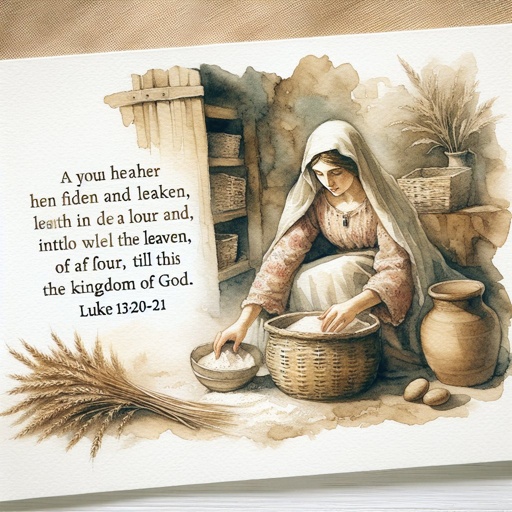
Luke 13:20-21

Luke 10:18-19

Luke 10:18-19

Luke 10:18-19

Luke 10:17-19
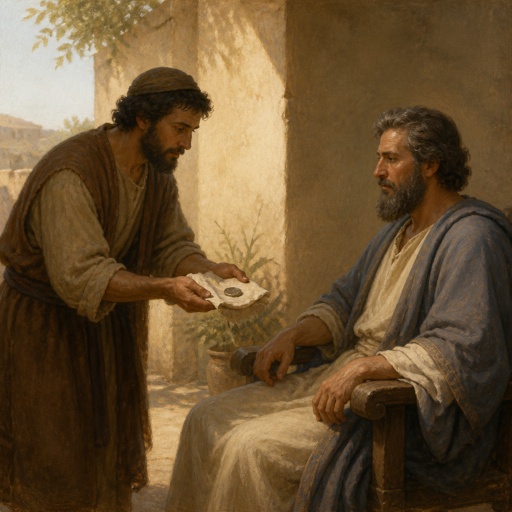
"And another came, saying, Lord, behold, here is thy pound, which I have kept laid up in a napkin:" - Luke 19:20
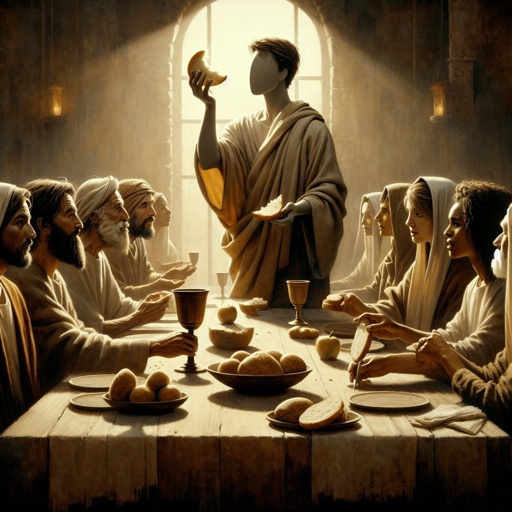
Luke 22:19-20 - "And he took bread, gave thanks and broke it, and gave it to them, saying, “This is my body given for you; do this in remembrance of me.” In the same way, after the supper he took the cup, saying, “This cup is the new covenant in my blood, which is poured out for you."

Luke 19:23

Luke 1:19

Luke 19:23

Luke 20:28

Luke 19:19 - "And he said likewise to him, Be thou also over five cities."

Luke 19:10

Luke 1:19

Luke 19:28

Luke 1:19

Genesis 19-20