Teaching and Retreat: Jesus’ Example of Balance in Life
“And in the day time he was teaching in the temple; and at night he went out, and abode in the mount that is called the mount of Olives.” — Luke 21:37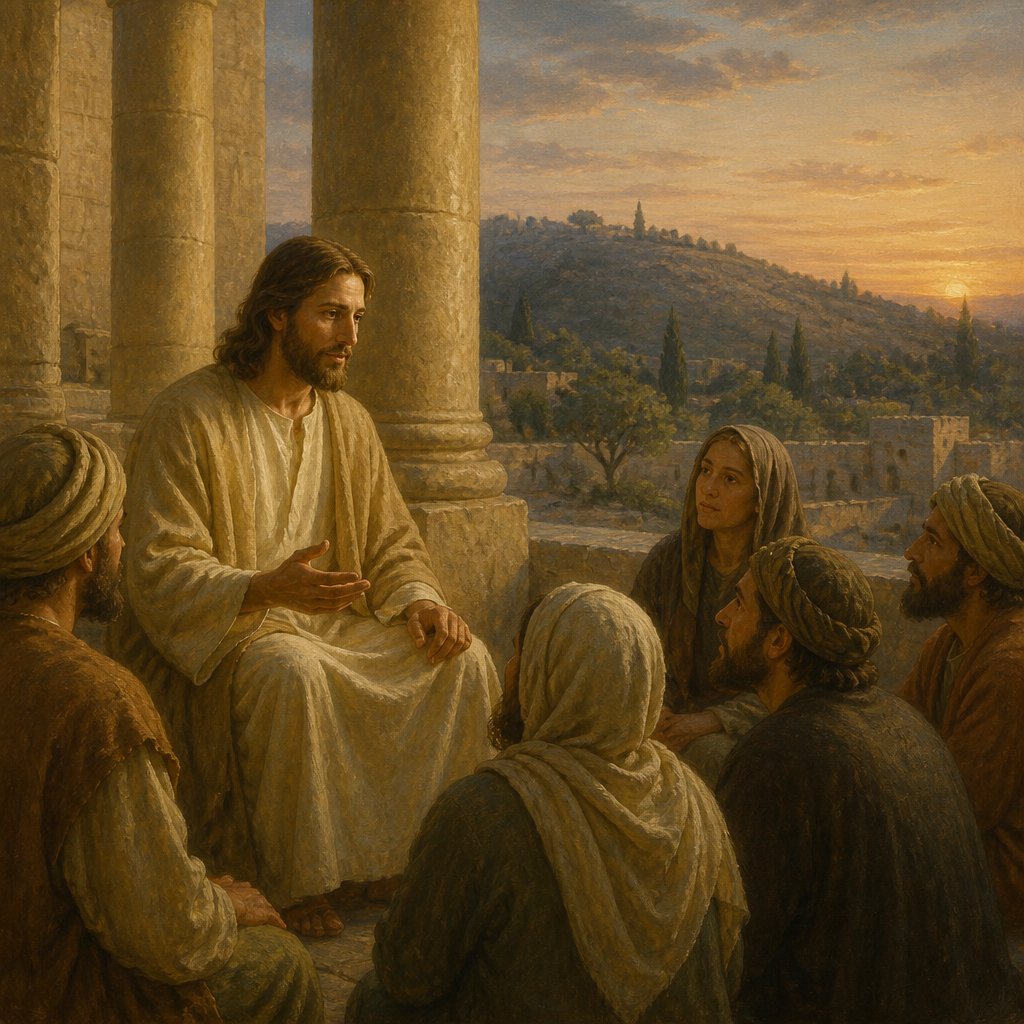
In Luke 21:37, we find a profound snapshot of Jesus’ ministry during His final days leading up to the crucifixion. The verse states, "And in the day time he was teaching in the temple; and at night he went out, and abode in the mount that is called the mount of Olives" (KJV). This powerful passage reflects a model of balance in life—between serving others and taking time for personal retreat and communion with the Father.
In the hustle and bustle of ministry, Jesus did not lose sight of the importance of withdrawing to pray and reflect. His days were filled with teaching, confronting the authorities, and imparting spiritual wisdom to those desperate for truth. He was a relentless teacher, pouring Himself out for the sake of others. The temple was His stage, filled with people yearning for His guidance and amazed by His authority. Each day brought fresh challenges—accusations from the Pharisees, questions from the crowd, and a constant need to guide His disciples.
Yet, in the midst of this intense schedule, we see the distinct practice of Jesus retreating at night to the Mount of Olives. This mountain, a mere location, stands as a symbol of solitude and prayer. Here, Jesus would return, away from the crowds that sought Him, to seek the face of His Father. We often hear about the importance of balance in life, but Jesus exemplifies it flawlessly; He knows when to be present with the people and when to draw away into the quiet places, where He can replenish His spirit.
This rhythm of ministry and retreat challenges us today. In our busy lives—whether in careers, family obligations, or ministry roles—finding time to pause and reconnect with God is crucial. Most of us are accustomed to a packed schedule, often neglecting our spiritual health for the busyness of life. We often focus on being productive, pushing through tasks and responsibilities, forgetting that our strength and effectiveness comes from our connection with God.
The Mount of Olives represents a sacred space for Jesus, but what does such a space look like in our lives? It may manifest as a quiet corner in our home, a park bench, or even a favorite chair with a Bible and a cup of coffee. No matter the setting, it is a place where we can disconnect from the noise and connect with God. Such moments of intimacy with the Father are not just restful; they are life-giving, enabling us to pour out into the lives of others with renewed vigor, wisdom, and grace.
Additionally, the discipline of retreat teaches us vulnerability. Just as Jesus often withdrew to pray (Matthew 14:23, Luke 5:16), He modeled reliance on the Father. Who are we to walk through life without seeking His guidance and strength? Each moment spent in prayer is an acknowledgment of our dependence on God, a powerful reminder of what it means to live in faith rather than by sight.
As we reflect on Luke 21:37, we are invited to imitate Jesus’ balance of teaching and retreat. Let us find that rhythm in our own lives, where we are passionately engaging with our responsibilities while intentionally carving out space for prayer, reflection, and renewal. Consider how you might create your own Mount of Olives. What can you sacrifice, however small, to ensure you prioritize your relationship with God?
In conclusion, Jesus’ example urges us to embrace a lifestyle marked by both engagement and retreat. As we pour ourselves into the lives of others, let us not forget that our foundation must be rooted in the quiet and holy communion with our Lord. Happily, when we prioritize relationship over simply doing, we discover a deeper joy and fulfillment in our life’s work, just as Jesus did.
Get our apps


Artwork for Luke 21:37

Luke 21:37 - "And in the day time he was teaching in the temple; and at night he went out, and abode in the mount that is called the mount of Olives."

Luke 21:37 - "And in the day time he was teaching in the temple; and at night he went out, and abode in the mount that is called the mount of Olives."
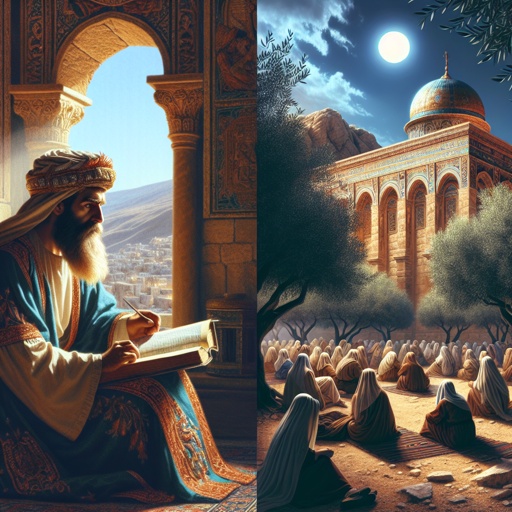
Luke 21:37 - "And in the day time he was teaching in the temple; and at night he went out, and abode in the mount that is called the mount of Olives."
"And in the day time he was teaching in the temple; and at night he went out, and abode in the mount that is called the mount of Olives." - Luke 21:37

Luke 2:37

Luke 2:37

Luke 2:37

Luke 2:37

Luke 2:37

Luke (1:37) For nothing will be impossible with God.”

Luke (1:37) For nothing will be impossible with God.”

Luke (1:37) For nothing will be impossible with God.”

Luke (1:37) For nothing will be impossible with God.”

Luke (1:37) For nothing will be impossible with God.”

Luke (1:37) For nothing will be impossible with God.”

Luke (1:37) For nothing will be impossible with God.”

Luke (1:37) For nothing will be impossible with God.”

Luke (1:37) For nothing will be impossible with God.”

Luke (1:37) For nothing will be impossible with God.”

Luke (1:37) For nothing will be impossible with God.”

Luke (1:37) For nothing will be impossible with God.”

Luke (1:37) For nothing will be impossible with God.”

Luke (1:37) For nothing will be impossible with God.”

Luke (1:37) For nothing will be impossible with God.”

Luke (1:37) For nothing will be impossible with God.”

Luke (1:37) For nothing will be impossible with God.”

Luke (1:37) For nothing will be impossible with God.”

Luke (1:37) For nothing will be impossible with God.”

Luke (1:37) For nothing will be impossible with God.”

Luke (1:37) For nothing will be impossible with God.”