Signs of the Season: Recognizing the Times
“When they now shoot forth, ye see and know of your own selves that summer is now nigh at hand.” — Luke 21:30
As we delve into the words of Jesus in Luke 21:30, "When they now shoot forth, ye see and know of your own selves that summer is now nigh at hand," we find a profound teaching about awareness, discernment, and the changing seasons of life. This verse, nestled within a larger discourse of Jesus regarding the signs of the end times, calls us to recognize the markers set before us—not just in the physical world but also in our spiritual journeys.
In the surrounding context, Jesus is speaking of signs that indicate significant impending change. He uses the metaphor of trees, specifically their budding branches, to suggest that just as a tree shows signs of life with new shoots, indicating the arrival of summer, our lives, too, exhibit signs, warnings, and reminders of the seasons we are in or the transformations we may soon encounter. This bridging of the natural with the spiritual serves to challenge us to assess not just what is happening around us, but also what is stirring within our own hearts.
As we consider the natural seasons, let's reflect on how they mirror our spiritual lives. Just as the spring brings forth new life—fresh blooms and vibrant colors—there are moments in our spiritual walk when we experience renewal and restoration. These times appear when we make intentional efforts to seek God through prayer, reading His Word, and engaging in fellowship with other believers. A beautiful blossoming happens, and we can sense that something new is on the horizon.
Conversely, winter periods signify barrenness and solitude. These seasons may feel prolonged and often lead to doubts, questioning God's presence in our lives. However, the lesson from Jesus reminds us that winter is only a precursor to spring. Just as trees undergo the dormancy of winter before they come alive with buds and leaves, so too do we have spiritual seasons where God may seem silent, yet He is at work beneath the surface. In faith, we learn to trust that new growth is coming, even if we cannot yet see it.
Moreover, the admonition here also extends to spiritual vigilance. In our daily lives, we encounter events, both good and bad, that can signal the approach of significant changes. Wars, natural disasters, societal upheaval—all these could be interpreted through the lens of Jesus’ words in Luke 21. Just as we would not ignore signs of changing weather, we must not ignore the spiritual signs God might be presenting us, urging us to respond, to prepare, and to align our lives with His will.
How do we recognize these signs? The key lies in cultivating a heart that is attuned to God. Throughout Scripture, we see that proximity to God elevates our awareness of His movements. When we invest time in fellowship, prayer, and worship, we sharpen our discernment and become highly sensitive to His nudges, guidance, and promises. Just as the disciples were able to interpret the signs of the times, so can we, through His empowering Spirit.
Lastly, the concept of ‘knowing of your own selves’ is critical. It challenges us to engage in introspection and discernment of our own condition. Are there areas of our life that need spiritual pruning? Are there distractions preventing us from noticing the blessings and opportunities around us? God beckons us to examine ourselves continuously, to seek His guidance for both healing and growth.
In essence, Jesus’ words in Luke 21:30 invite us into a deeper relationship with our Creator, urging us to pay attention to the signs that indicate spiritual breakthroughs, transformation, and renewal. As we see the shoots of growth in our lives, let us celebrate, prepare ourselves, and remain eager for the fullness of the summer that God has promised. May we always strive to be vigilant and aware, recognizing that in every season of our lives, God is intimately involved, shaping us closer to Him.
Get our apps


Artwork for Luke 21:30

Luke 21:30 - "When they now shoot forth, ye see and know of your own selves that summer is now nigh at hand."
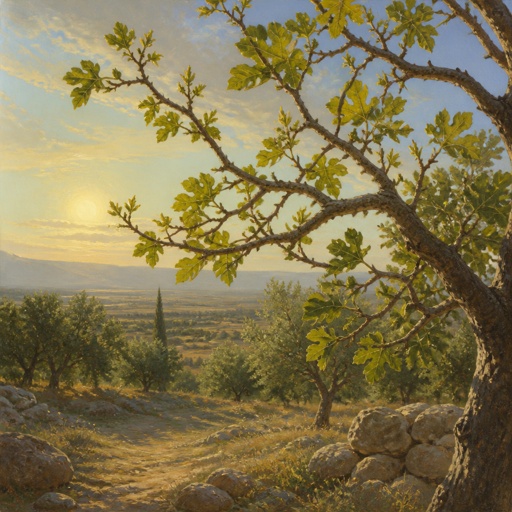
"When they now shoot forth, ye see and know of your own selves that summer is now nigh at hand." - Luke 21:30

Luke 1:30

luke 9:30

luke 6:30

Genesis 21-30

luke 9:29- 30

african american luke 10:30

Luke 2:30 - "For mine eyes have seen thy salvation,"

Luke 14:30 - "Saying, This man began to build, and was not able to finish."

Luke 13:20-21

Luke 13:20-21
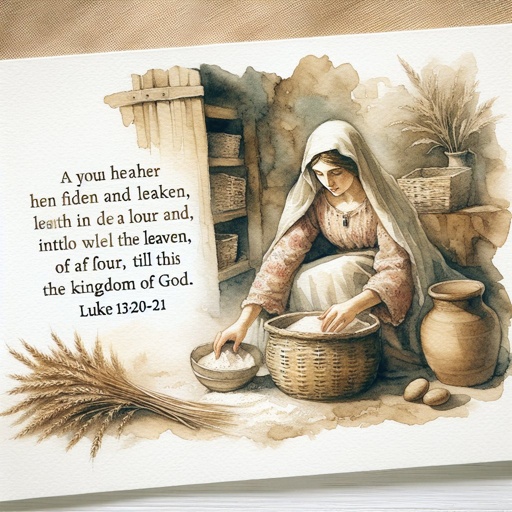
Luke 13:20-21

Luke 13:20-21

Luke 13:20-21

Luke 20:30 - "And the second took her to wife, and he died childless."

Luke 15:21

Luke 21:24

Luke 15:21

Luke 1:30 Gabriel visits Mary

Proverbs 21:30 - "There is no wisdom nor understanding nor counsel against the LORD."

Luke 17:30 - "Even thus shall it be in the day when the Son of man is revealed."

Luke 4:30 - "But he passing through the midst of them went his way,"

Proverbs 30:21 - "For three things the earth is disquieted, and for four which it cannot bear:"

Genesis 30:21 - "And afterwards she bare a daughter, and called her name Dinah."

Luke 13:30 - "And, behold, there are last which shall be first, and there are first which shall be last."

Luke 23:30 - "Then shall they begin to say to the mountains, Fall on us; and to the hills, Cover us."

Luke 9:30 - "And, behold, there talked with him two men, which were Moses and Elias:"

Luke 6:21-26

luke 21:5-19