What does Luke 21:30 mean?
“When they now shoot forth, ye see and know of your own selves that summer is now nigh at hand.” — Luke 21:30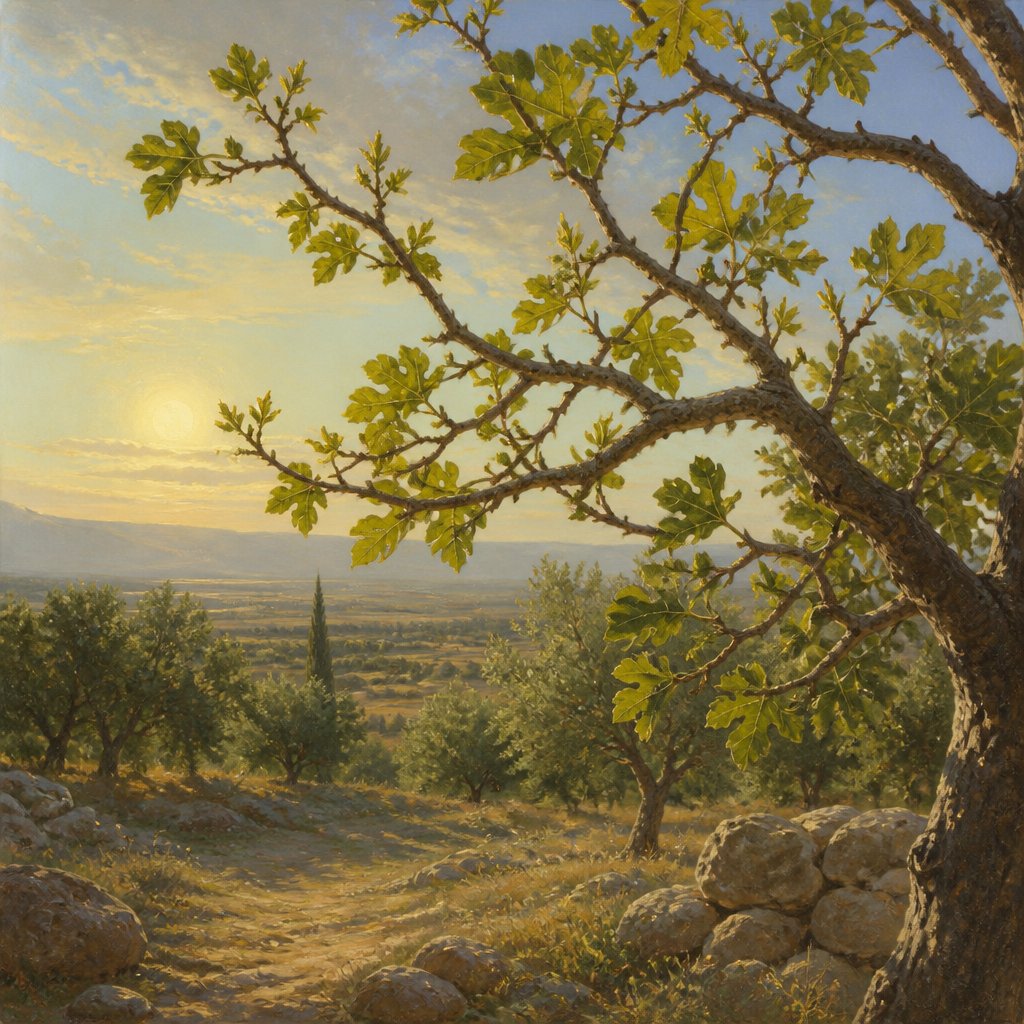
In Luke 21:30 (KJV), Jesus is speaking to his disciples about the signs of the end times. The verse reads, "When they now shoot forth, ye see and know of your own selves that summer is now nigh at hand." In this verse, Jesus uses the analogy of a fig tree to illustrate the importance of being aware of the signs and being prepared for the coming of the end times.
The context of Luke 21:30 is important for understanding the meaning of the verse. Earlier in the chapter, Jesus predicts the destruction of the temple in Jerusalem and his disciples ask him about the signs of the end times. In response, Jesus describes the many hardships, tribulations, and signs that will precede his second coming. He warns his followers to be alert and watchful for these signs, and to be spiritually prepared for the coming of the Son of Man.
The fig tree mentioned in Luke 21:30 was a common symbol in biblical times and was often used to represent the nation of Israel. In this case, the fig tree can be seen as a symbol of the signs that will indicate the coming of the end times. Just as the budding of the fig tree indicates the approach of summer, the signs described by Jesus will indicate the approaching fulfillment of God's plan for the world.
The themes in Luke 21:30 are rooted in the idea of vigilance and preparedness. Jesus uses the analogy of the fig tree to emphasize the importance of being aware of the signs of the times and being spiritually prepared for the coming of the end times. The message for his followers is to be watchful, attentive, and ready for the fulfillment of God's plan for the world.
The verse also serves as a reminder of the certainty of God's promises. Just as the budding of the fig tree indicates the approach of summer with certainty, the signs and events described by Jesus will also come to pass with certainty. This reassures believers that God's plan for the world will ultimately be fulfilled, and that they can have confidence in the promises of God.
In a broader sense, the verse can also be seen as a call to action for believers. Jesus' teaching in Luke 21:30 encourages his followers to pay attention to the signs of the times and to live lives that are consistent with their faith. It serves as a reminder that the Christian life is not one of passivity, but one of active readiness and engagement with the world.
Overall, Luke 21:30 (KJV) is a powerful and evocative verse that speaks to the themes of vigilance, preparedness, and the certainty of God's promises. The symbolism of the fig tree and the context of Jesus' teachings in this chapter provide a rich and multifaceted message for believers, encouraging them to be alert to the signs of the times and to live faithfully in anticipation of the fulfillment of God's plan for the world.
Get our apps


Artwork for Luke 21:30

Luke 21:30 - "When they now shoot forth, ye see and know of your own selves that summer is now nigh at hand."
"When they now shoot forth, ye see and know of your own selves that summer is now nigh at hand." - Luke 21:30

Luke 1:30

luke 9:30

luke 6:30

Genesis 21-30

luke 9:29- 30

african american luke 10:30

Luke 2:30 - "For mine eyes have seen thy salvation,"

Luke 14:30 - "Saying, This man began to build, and was not able to finish."

Luke 13:20-21

Luke 13:20-21
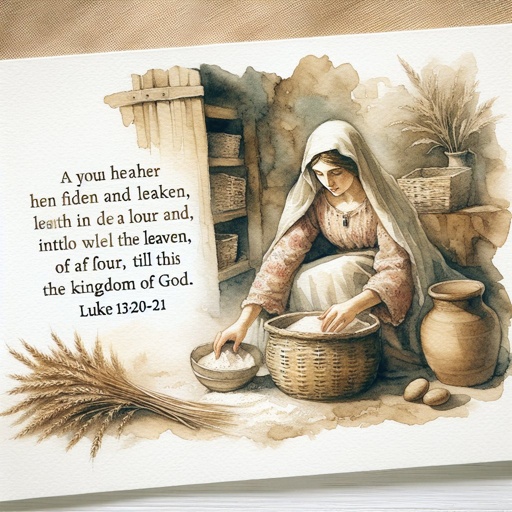
Luke 13:20-21

Luke 13:20-21

Luke 13:20-21
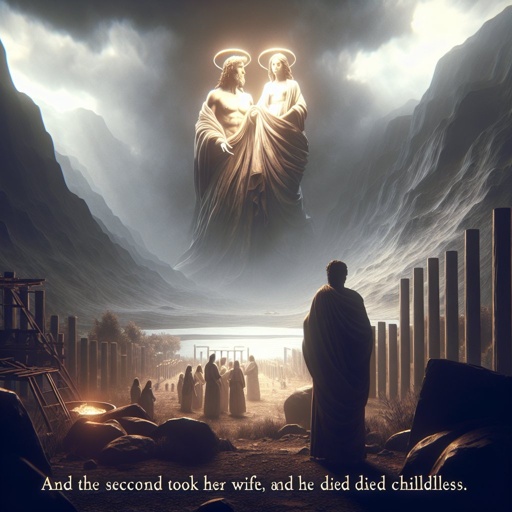
Luke 20:30 - "And the second took her to wife, and he died childless."

Luke 15:21

Luke 21:24

Luke 15:21

Luke 1:30 Gabriel visits Mary

Proverbs 21:30 - "There is no wisdom nor understanding nor counsel against the LORD."

Luke 17:30 - "Even thus shall it be in the day when the Son of man is revealed."

Luke 4:30 - "But he passing through the midst of them went his way,"

Proverbs 30:21 - "For three things the earth is disquieted, and for four which it cannot bear:"

Genesis 30:21 - "And afterwards she bare a daughter, and called her name Dinah."

Luke 13:30 - "And, behold, there are last which shall be first, and there are first which shall be last."

Luke 23:30 - "Then shall they begin to say to the mountains, Fall on us; and to the hills, Cover us."

Luke 9:30 - "And, behold, there talked with him two men, which were Moses and Elias:"

Luke 6:21-26

luke 21:5-19