The Feast of Remembrance: Embracing the Depth of Passover
“Now the feast of unleavened bread drew nigh, which is called the Passover.” — Luke 22:1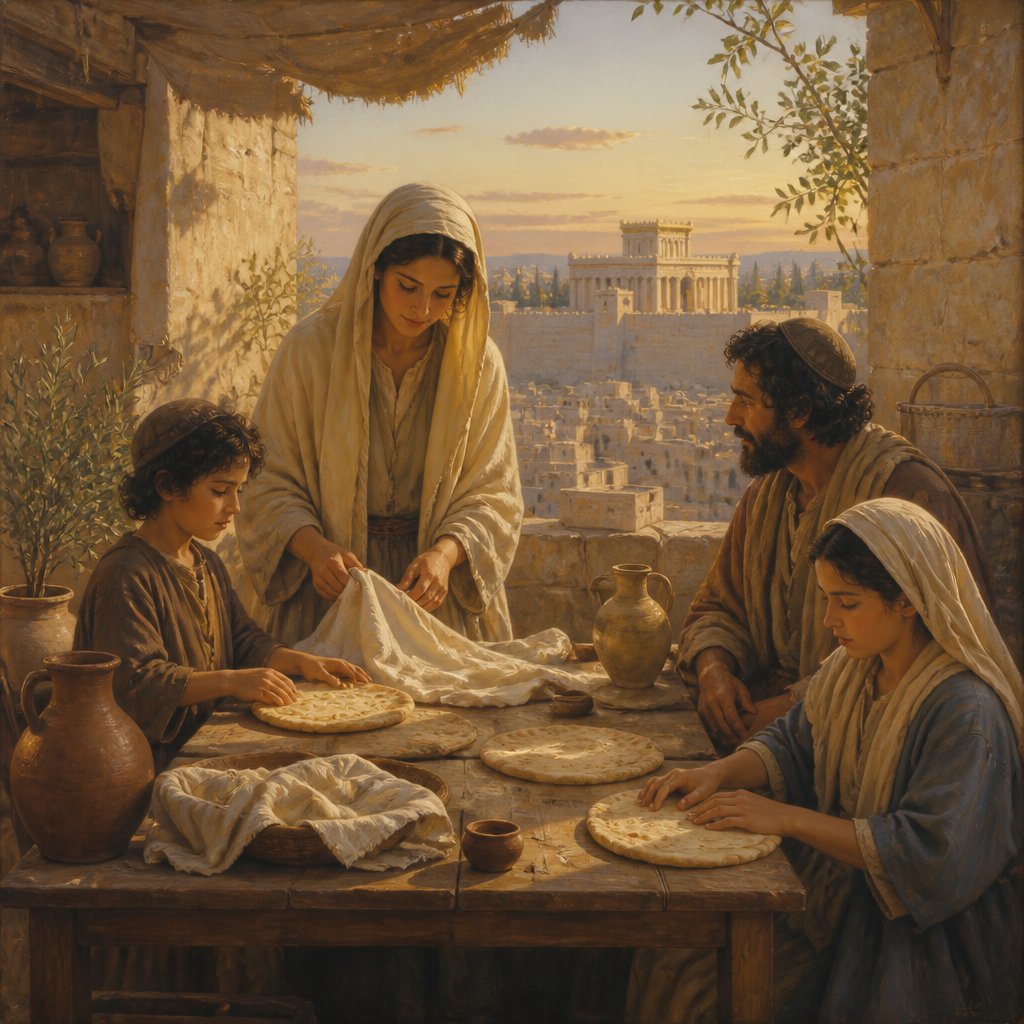
As we delve into the depths of Luke 22:1, we encounter the profound significance of the events surrounding the Feast of Unleavened Bread, which is also known as Passover. The verse states, "Now the feast of unleavened bread drew nigh, which is called the Passover." This historical and theological moment encapsulates not just a feast in the Jewish tradition, but also the anticipation of transformative events in the narrative of the Gospel.
The initial mention of the Passover in the book of Exodus is pivotal. In Exodus 12, God commands the Israelites to mark their doorposts with the blood of a lamb, as a sign for the angel of death to pass over them during the final plague in Egypt. This act of faith and obedience was crucial for their deliverance from slavery. The Passover became an enduring symbol of God’s redemptive plan for His people. As we reflect on this celebration, we recognize its deep spiritual implications for both the Jewish people and for Christians understanding the New Covenant.
In Luke 22:1, we see a moment of impending transition — the disciples are within the shadow of a celebration that commemorates liberation from bondage. Yet, they are also standing on the precipice of a profound revelation of Jesus’ identity as the Paschal Lamb. The Gospel writers draw direct connections between the Passover lamb and Jesus. John the Baptist heralds Jesus as “the Lamb of God, which taketh away the sin of the world” (John 1:29). In this moment, juxtaposed against the backdrop of Passover, we see God’s ultimate plan of salvation unfolding.
As we meditate on the Feast of Unleavened Bread in our lives today, we are invited into a space of reflection and self-examination. The concept of unleavened bread symbolizes purity and holiness, serving as a reminder for us to examine our hearts and lives. Leaven, in the Scriptures, often symbolizes sin — an ingredient that ferments and puffs up, leading to corruption. In 1 Corinthians 5:8, Paul encourages believers to keep the feast with the unleavened bread of sincerity and truth. As we sit at the table of communion, we are called to purge out the old leaven of sin in our lives and embrace the newness of life found in Christ.
One of the beautiful aspects of Passover is the communal nature of the celebration. Jesus shared the Passover meal with His disciples, emphasizing the importance of community and fellowship in our worship. As we gather as the body of Christ today, we reflect on our unity in Him. The Passover meal reminds us that we are partakers of a greater story—one that extends beyond our own individual experiences. We are invited to remember not only our own deliverance but also the collective liberation we share as the body of Christ.
As we approach our own spiritual observance of communion and our relationship with Christ, let us remember that just as the Israelites were instructed to remember their deliverance from Egypt, we too must remember our deliverance from sin and death through the sacrifice of Jesus. The blood of the Lamb marked our lives with grace and mercy, serving as our protection from eternal separation from God.
In the spirit of the Passover, let us come together in our homes and churches to celebrate not just a feast, but the reality of what it signifies in our lives. Let us break bread together, just as Jesus did on that fateful night, remembering His body broken for us and His blood shed for us.
As we enter into this season reflecting on the Passover, may we adopt the heart of gratitude for the deliverance we have received through Christ. Let us carry the message of hope and redemption to those around us, for the feast of remembrance is not just a historical event — it is a living testimony of God’s enduring faithfulness and love.
Get our apps


Artwork for Luke 22:1

Luke 22:1 - "Now the feast of unleavened bread drew nigh, which is called the Passover."
"Now the feast of unleavened bread drew nigh, which is called the Passover." - Luke 22:1
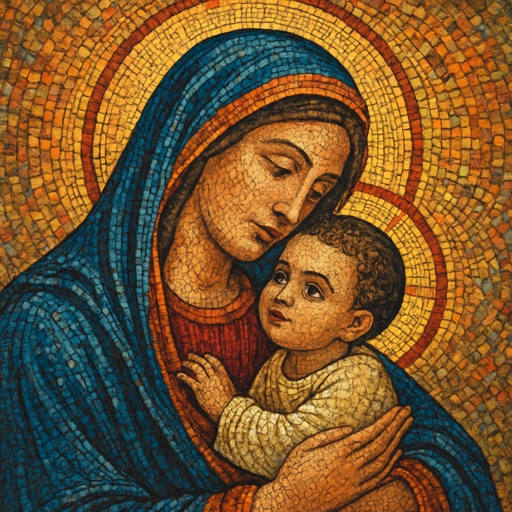
Luke 2:22, which features a Middle Eastern mother holding a Middle Eastern baby boy.

luke 22:42

Luke 22:39

Luke 22:61,62

Luke 22:39

luke 22 44
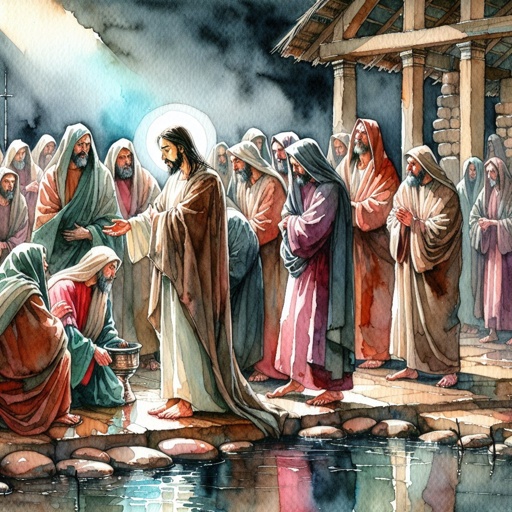
luke 22:42

Luke 22:42
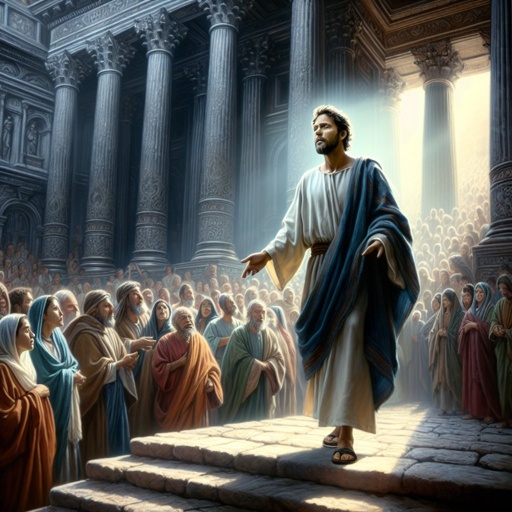
Luke 1:22 - "And when he came out, he could not speak unto them: and they perceived that he had seen a vision in the temple: for he beckoned unto them, and remained speechless."

Luke 16:22-26

Luke 22:62 - "And Peter went out, and wept bitterly."

Luke 20:22 - "Is it lawful for us to give tribute unto Caesar, or no?"

Luke 22:5 - "And they were glad, and covenanted to give him money."

Luke 22:28 - "Ye are they which have continued with me in my temptations."

Luke 22:65 - "And many other things blasphemously spake they against him."

Luke 22:63 - "¶ And the men that held Jesus mocked him, and smote him."

Luke 22:31-32 - "Luke 22:31-32: And the Lord said, Simon, Simon, behold, Satan hath desired to have you, that he may sift you as wheat: But I have prayed for thee, that thy faith fail not: and when thou art converted, strengthen thy brethren."

Luke 22:21 - "¶ But, behold, the hand of him that betrayeth me is with me on the table."
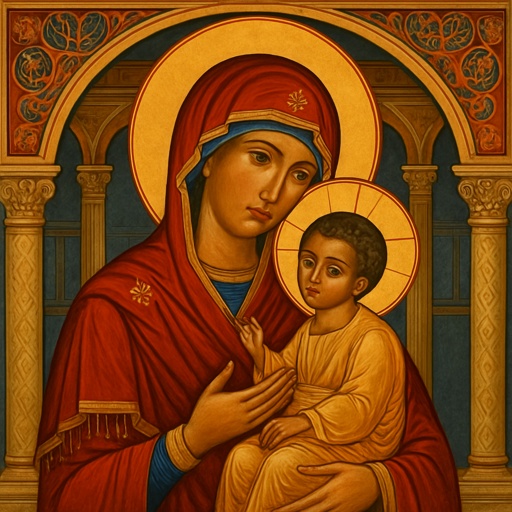
Luke 2:22, which features Mary with Middle Eastern mother holding Jesus a Middle Eastern baby boy inside a first century temple.

Luke 22:43 - "And there appeared an angel unto him from heaven, strengthening him."

Luke 22:3 - "¶ Then entered Satan into Judas surnamed Iscariot, being of the number of the twelve."

Luke 22:57 - "And he denied him, saying, Woman, I know him not."

Luke 22:7 - "¶ Then came the day of unleavened bread, when the passover must be killed."

Luke 21:22 - "For these be the days of vengeance, that all things which are written may be fulfilled."

Luke 22:9 - "And they said unto him, Where wilt thou that we prepare?"
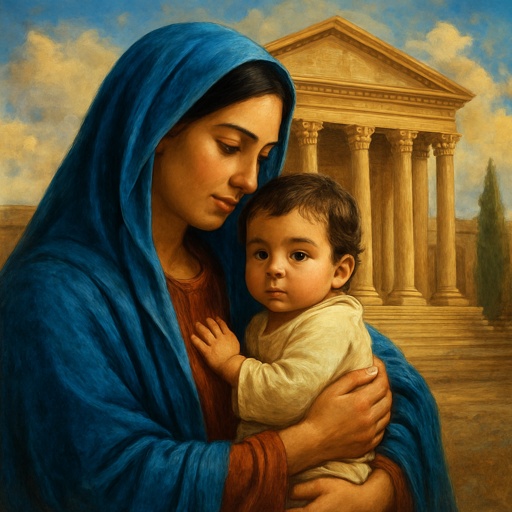
Luke 2:22, which features Mary with Middle Eastern mother holding Jesus a Middle Eastern baby boy in front of a first century temple.
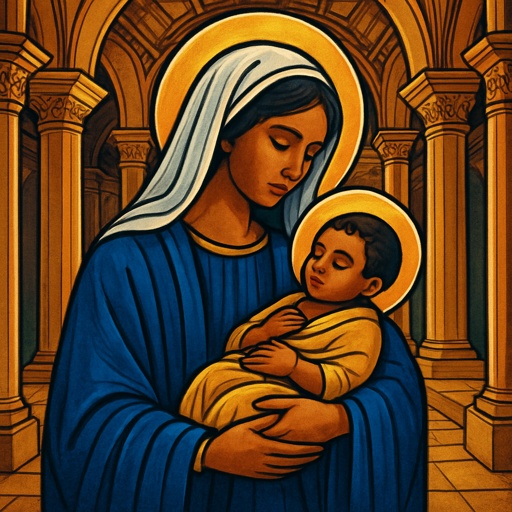
Luke 2:22, which features Mary with Middle Eastern mother holding Jesus a Middle Eastern baby boy inside a first century temple.

Luke 22:24 - "¶ And there was also a strife among them, which of them should be accounted the greatest."