Seeking Truth in the Face of Injustice
“When Pilate heard of Galilee, he asked whether the man were a Galilæan.” — Luke 23:6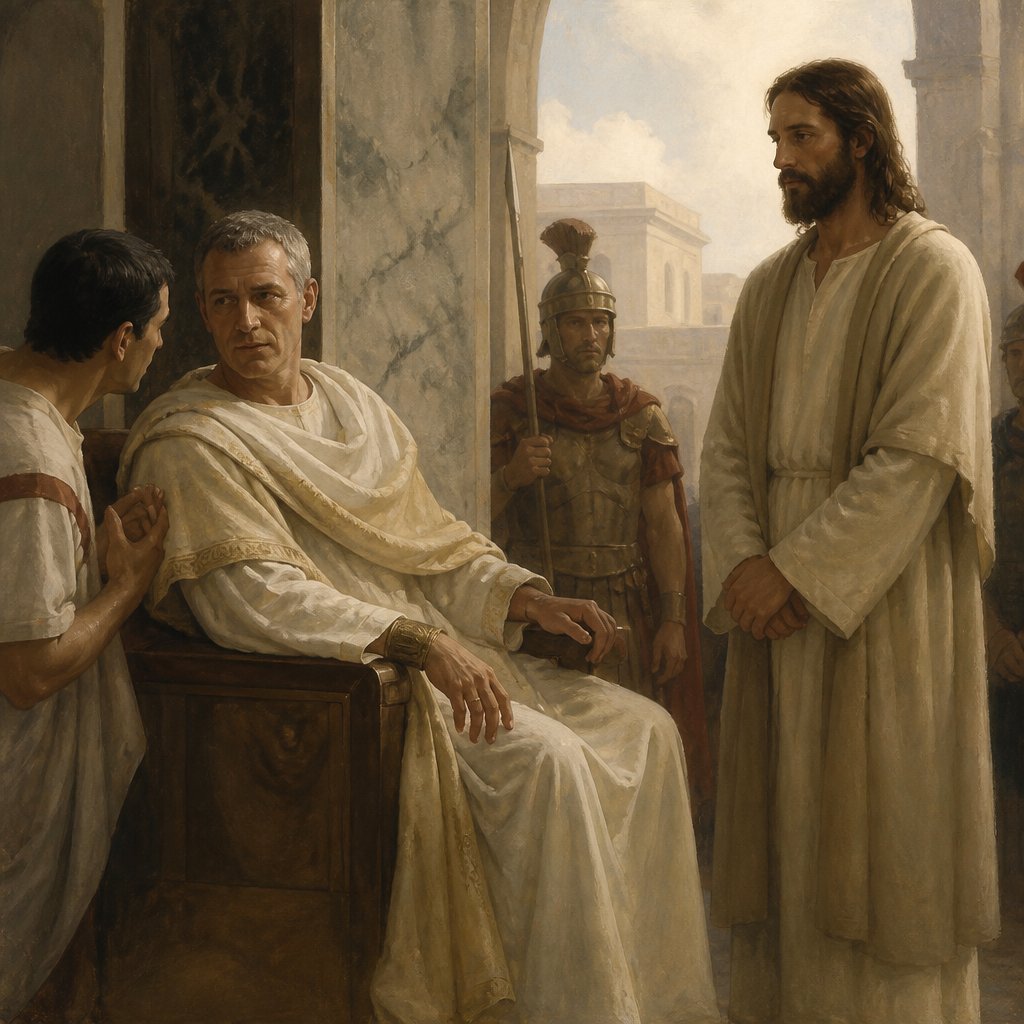
When we come to Luke 23:6, we find ourselves at a critical junction in the story of Jesus' trial. The verse states, "When Pilate heard of Galilee, he asked whether the man were a Galilaean." In this moment, we witness Pilate's effort to hand off the responsibility of judgment over to Herod. But more than just a moment in history, this verse speaks volumes about human nature, truth, accountability, and the quest for justice.
**Contextual Background**
To fully grasp the weight of Pilate's inquiry, we must explore the historical context. Pilate was the Roman governor of Judea, a region filled with political unrest and religious tensions. The Galileans were viewed with some suspicion and disdain by the Jerusalem elite. Therefore, the mention of Galilee was not mere geography; it was laden with social implications that influenced how people viewed Jesus. Pilate's question indicates both a strategic maneuver to escape responsibility and an acknowledgment of the division among the Jewish leaders regarding Jesus' identity and mission.
**Questioning Identity amidst Accusation**
Pilate's question, "whether the man were a Galilaean," prompts us to reflect on the theme of identity. How often do we encounter situations where identity is weaponized? In our society, we often label others based on their opinions, backgrounds, or where they come from. Pilate, possibly seeking to diminish the gravity of Jesus' case by associating him with a region looked down upon, reveals a fundamental truth: our identities can be misrepresented, misunderstood, or politicized.
As Christians, we must ask ourselves: how do we view the identities of those around us? Are we quick to judge others based on their backgrounds like Pilate? Or do we strive to see them as God sees them—beloved creations, deserving respect and compassion? In truth, our identities are fused with our faith; we wear the name of Christ, and that should be the lens through which we examine ourselves and others.
**The Pursuit of Truth**
As Pilate navigates the murky waters of justice, he is portrayed as a man in conflict. He attempts to find loopholes to avoid making a judgment about Jesus, ultimately failing to confront the deeper truths of the accusations against Him. This reflects a common dynamic in our lives where we sometimes shy away from the truth because it demands responsibility and can lead to uncomfortable outcomes.
Jesus, the embodiment of truth, faced all these accusations with grace and composure. He didn’t answer Pilate’s probing questions with defensiveness or fear; rather, He offered insights into His kingdom that transcended earthly political scheming. This serves as a powerful reminder for us: in moments of trial, we must seek truth. Reflecting in our prayers, studying the scriptures, and seeking wisdom from trusted mentors can aid us in our pursuit of truth.
**Accountability in Leadership**
The scene also serves as a sobering reflection on the nature of leadership and the consequential responsibility that comes with it. Pilate, as one in authority, initially harbored intentions to do justice. However, as external pressures mounted, he faltered. Leadership requires courage, integrity, and a clear resolve to side with righteousness, even when it's unpopular.
As modern followers of Christ, particularly those in positions of leadership in the ministry, community, or family, we are called to be beacons of truth. May our hearts be attuned to divine wisdom as we navigate the challenges that may tempt us to forsake our truth for convenience.
**Conclusion**
Luke 23:6 invites us into a moment filled with profound implications for how we view identity, truth, and the weight of accountability. Pilate's question is less about geography but a reflection of a deeper human experience—an experience that calls us to rise above bias and injustice. What does it mean to seek truth? How do we cultivate compassion in a judgmental world? In all things, we must remember our primary identity as children of God, striving to reflect His light and truth in every facet of our lives.
Get our apps


Artwork for Luke 23:6

Luke 23:6 - "When Pilate heard of Galilee, he asked whether the man were a Galilaean."
"When Pilate heard of Galilee, he asked whether the man were a Galilaean." - Luke 23:6

Luke 6:23 - "Rejoice ye in that day, and leap for joy: for, behold, your reward is great in heaven: for in the like manner did their fathers unto the prophets."

Luke 23:53

Luke 19:23

luke 11:23

Luke 19:23

luke 11:23

Luke 15:23

luke 11:23

luke 11:23

Luke 23:54 - "And that day was the preparation, and the sabbath drew on."

Luke 23:23 - "And they were instant with loud voices, requiring that he might be crucified. And the voices of them and of the chief priests prevailed."

Luke 23:24 - "And Pilate gave sentence that it should be as they required."

Matthew 6:23

Luke 23:45 - "And the sun was darkened, and the veil of the temple was rent in the midst."

Luke 7:23 - "And blessed is he, whosoever shall not be offended in me."

Luke 23:21 - "But they cried, saying, Crucify him, crucify him."

Luke 6
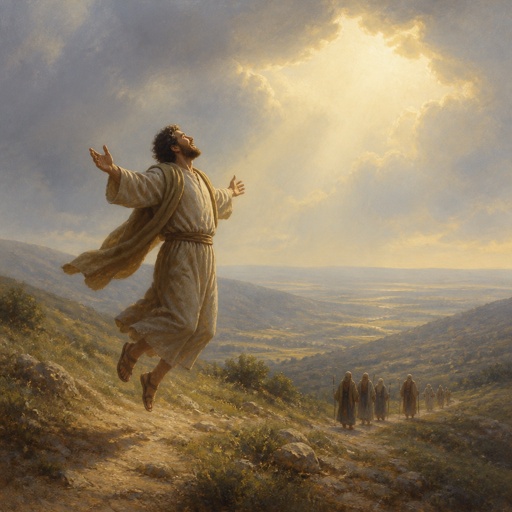
"Rejoice ye in that day, and leap for joy: for, behold, your reward is great in heaven: for in the like manner did their fathers unto the prophets." - Luke 6:23

Luke 23:16 - "I will therefore chastise him, and release him."

Luke 23:37 - "And saying, If thou be the king of the Jews, save thyself."

Luke 23:10 - "And the chief priests and scribes stood and vehemently accused him."

Luke 23:52 - "This man went unto Pilate, and begged the body of Jesus."

Luke 11:23 - "He that is not with me is against me: and he that gathereth not with me scattereth."

Luke 23:1 - "And the whole multitude of them arose, and led him unto Pilate."

Luke 23:20 - "Pilate therefore, willing to release Jesus, spake again to them."

Romans 6:23

Romans 6:23

luke 6:30