The Reluctance of Release: Pilate's Dilemma
“Pilate therefore, willing to release Jesus, spake again to them.” — Luke 23:20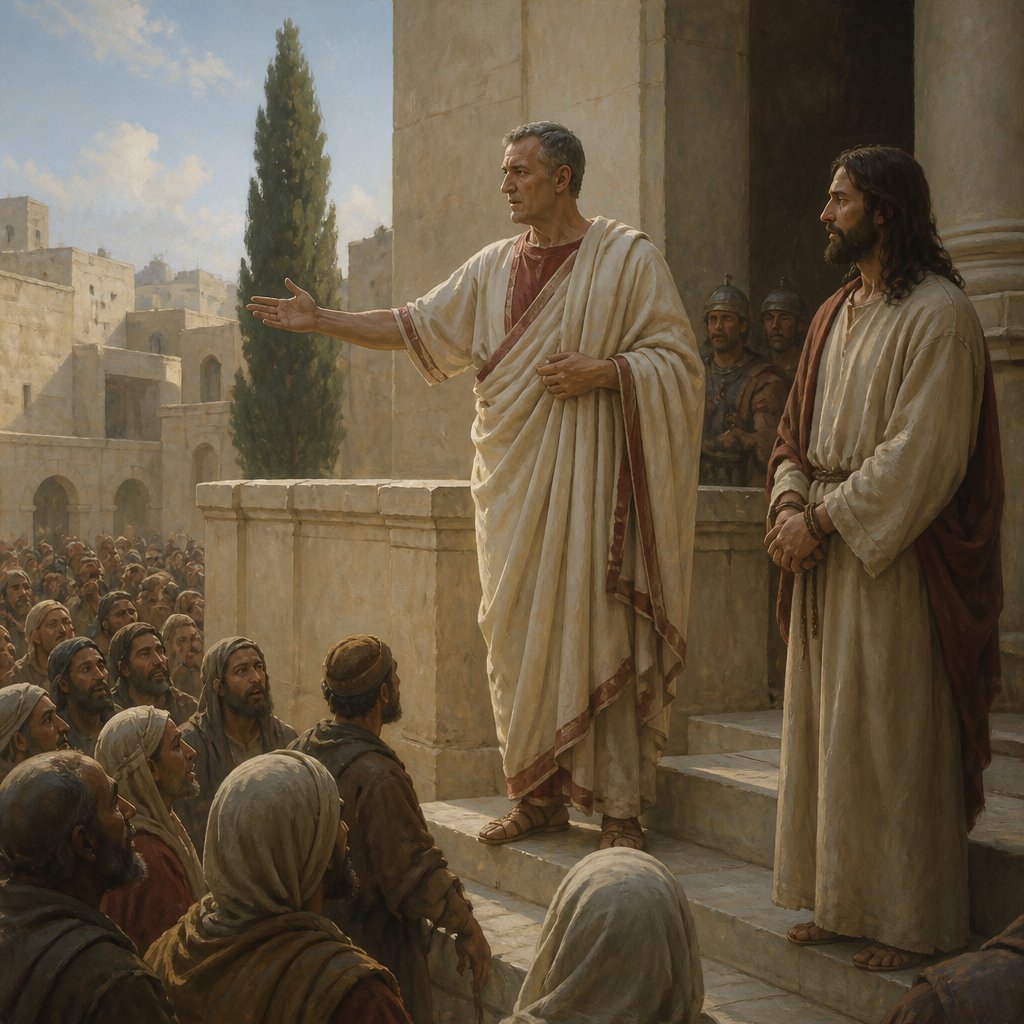
In the quiet moments of reflection on the final hours of Jesus before His crucifixion, one can hardly overlook the poignant interaction between Pilate and the Jewish leaders. The verse, "Pilate therefore, willing to release Jesus, spake again to them" (Luke 23:20, KJV), encapsulates a scene filled with complex emotions and divine purpose. Let us delve deeper into this single verse to uncover the profound implications it has for our understanding of justice, compassion, and the human condition.
Pontius Pilate, the Roman governor, famously grappled with the decision regarding Jesus' fate. In this moment, as he expresses a desire to release Jesus, we witness a man torn between integrity and the immense pressures of political survival. Pilate's willingness to release Jesus speaks volumes about the demeanor he observed in the innocent man before him. It is suggested in the scriptures that Pilate felt Jesus had committed no crime worthy of death. Yet, the fervor of the crowd, fueled by the religious leaders, left Pilate in a quandary.
To make a decision in favor of Jesus would mean risking unrest among the people he governed. Pilate's internal struggle is not simply a historical recount, but rather a mirror reflecting our frequent encounters with dilemmas. How often do we find ourselves caught between doing what is right and yielding to the pressures of society? Pilate’s hesitation is a reminder that righteousness can often stand on the precipice of sacrifice, where yielding to righteousness may come with a cost.
In the face of intimidation from the crowd, Pilate boldly speaks again, a second attempt to appeal to their conscience. His desire to release Jesus reveals his awareness of the innocence that emanated from Christ. Here, we see a profound aspect of human nature at play: the tendency to ignore truth when it stands in stark contrast to our desires or fears. Pilate’s tormented heart must have known deep down that condemning an innocent man—Jesus, whom he seemed to recognize as the truth—was wrong.
Yet, this dynamic is not merely about Pilate’s struggle. It pinpoints a greater narrative—the mission of Jesus. Jesus came to offer redemption, and His sacrificial death was a preordained aspect of fulfilling that mission, as foretold in Scripture. While Pilate found himself unwillingly embroiled in this great cosmic drama, we also see a loving God at work. God’s plan was to demonstrate ultimate love through an innocent suffering for the guilty. In circumstances where tyranny prevailed, the medical attention that Jesus required for our sins was being enacted on that very day.
As we navigate our own dilemmas—where the right choice might be oppressed by popular opinion or personal gain—let us draw from Pilate’s story the strength to act according to what we know is right. May we courageously stand firm in truth, even when called to do otherwise by the voices around us. Let us be willing to speak again, as Pilate did, to advocate for the vulnerable, to stand against injustice, or to share the gospel that sets souls free.
In contemplating this passage, let our prayer life dwell upon the courage it takes to relinquish popularity for the sake of righteousness, and the wisdom required to discern truth amidst chaos. Just as Pilate attempted to sway the crowd, may we also strive to bring others to recognize the truth of Jesus and His unfathomable love that offers grace, even when it’s politically unfavorable or socially uncomfortable.
Ultimately, Luke 23:20 serves as both a poignant reminder of Pilate’s resistance to truth and a clarion call for us to seek after and advocate for true justice and righteousness in a world that often chooses the contrary. Let us thus reflect on who we will stand with, and for, in today’s world of tumultuous voices and decisions that define our faith. The implications of that choice echo into eternity.
Get our apps


Artwork for Luke 23:20

Luke 23:20 - "Pilate therefore, willing to release Jesus, spake again to them."
"Pilate therefore, willing to release Jesus, spake again to them." - Luke 23:20

Luke 20:23 - "But he perceived their craftiness, and said unto them, Why tempt ye me?"
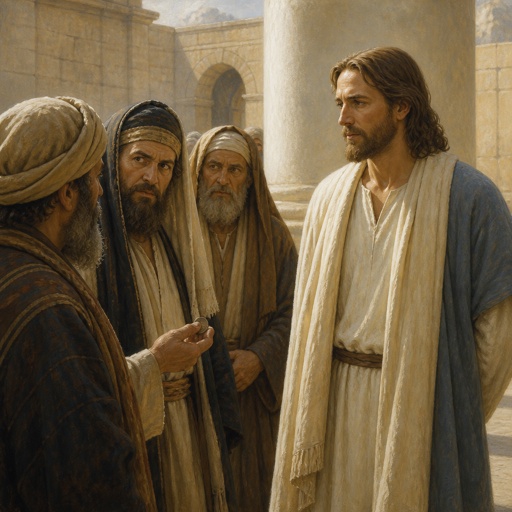
"But he perceived their craftiness, and said unto them, Why tempt ye me?" - Luke 20:23

Luke 23:53

Luke 19:23

luke 11:23

Luke 19:23

Luke 13:20-21

Luke 13:20-21

luke 11:23

Luke 15:23

luke 11:23

luke 11:23

Luke 13:20-21

Luke 13:20-21
Luke 13:20-21

Exodus 23:20

Luke 20:28

Genesis 23-20

Leviticus 23:20

Luke 23:54 - "And that day was the preparation, and the sabbath drew on."

Luke 23:23 - "And they were instant with loud voices, requiring that he might be crucified. And the voices of them and of the chief priests prevailed."

Luke 2:1-20

Luke 23:24 - "And Pilate gave sentence that it should be as they required."

Leviticus 24:20-23

Luke 20:7 - "And they answered, that they could not tell whence it was."

Luke 23:45 - "And the sun was darkened, and the veil of the temple was rent in the midst."

Luke 7:23 - "And blessed is he, whosoever shall not be offended in me."

Luke 23:21 - "But they cried, saying, Crucify him, crucify him."