What does Luke 23:20 mean?
“Pilate therefore, willing to release Jesus, spake again to them.” — Luke 23:20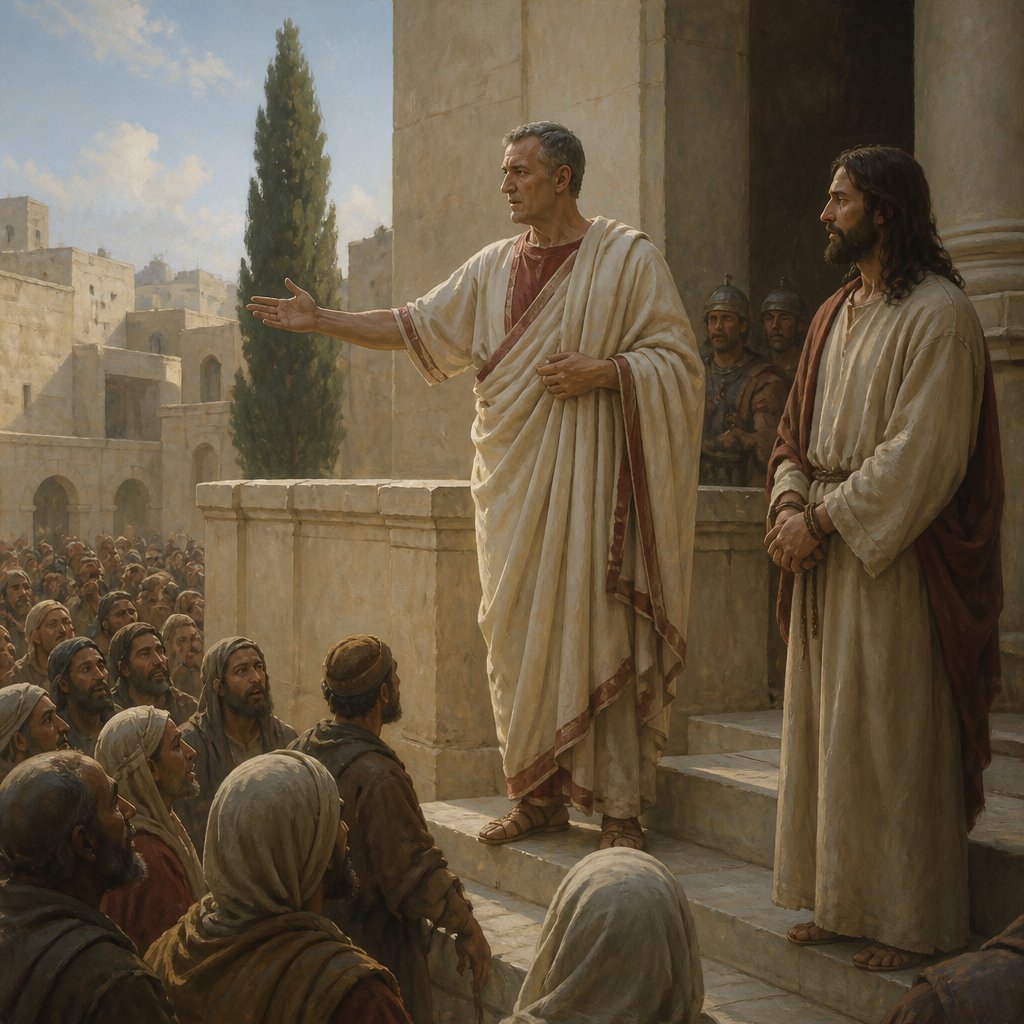
Luke 23:20 (KJV) says, "Pilate therefore, willing to release Jesus, spake again to them." This verse is part of the retelling of Jesus's trial and crucifixion as recorded in the Gospel of Luke. In this passage, Pilate, the Roman governor of Judea, is depicted as being influenced by the crowd's desire for Jesus to be crucified, despite his personal belief that Jesus is innocent. This verse is significant in portraying the moral dilemma faced by Pilate and the injustice of Jesus's condemnation.
To fully understand the meaning and significance of Luke 23:20, it is important to consider the broader context of the verse. The trial and crucifixion of Jesus is a central event in Christian theology, and the Gospel of Luke devotes a significant portion of its narrative to recounting these events. In the preceding verses, Jesus has been brought before Pilate by the religious authorities who seek to have him condemned and executed. In Luke 23:4, Pilate declares, "I find no fault in this man," indicating his belief in Jesus's innocence. However, the religious leaders and the crowd are insistent on crucifying Jesus, leading to Pilate's internal conflict and desire to release Jesus.
One of the key themes in Luke 23:20 is the tension between justice and political expediency. Pilate, as the Roman governor, is responsible for maintaining law and order in Judea. However, he is also aware of the volatile political situation and the potential for unrest among the Jewish population. In this context, Pilate's willingness to release Jesus can be seen as a representation of the struggle between doing what is morally right and what is politically advantageous. This theme raises questions about the nature of power and the compromise of one's principles in the face of societal pressure.
Additionally, Luke 23:20 highlights the concept of innocence and guilt. Pilate's repeated declarations of Jesus's innocence underscore the unjust nature of his condemnation. This portrayal of Jesus as an innocent victim points to the broader theological understanding of Jesus's sacrificial death as a means of atonement for the sins of humanity. The injustice of Jesus's crucifixion serves as a powerful reminder of the flawed nature of human judgment and the need for divine mercy and redemption.
Symbolism also plays a significant role in Luke 23:20. Pilate's willingness to release Jesus can be interpreted as a symbol of the internal struggle between good and evil. Pilate's wavering decision serves as a cautionary tale about the consequences of moral compromise and the dangers of succumbing to external pressures. The figure of Pilate has often been used as a symbol of the moral cowardice and political expediency that can lead to injustice.
In conclusion, Luke 23:20 is a pivotal verse in the retelling of Jesus's trial and crucifixion in the Gospel of Luke. It highlights the moral dilemma faced by Pilate and the unjust condemnation of Jesus. The verse raises important themes related to justice, innocence, and the struggle between moral principles and political expediency. Through its portrayal of Pilate's decision-making process, the verse offers valuable insights into the complexities of human nature and the timeless struggle between good and evil. Ultimately, Luke 23:20 serves as a poignant reminder of the need for justice, mercy, and moral courage in the face of adversity.
Get our apps


Artwork for Luke 23:20

Luke 23:20 - "Pilate therefore, willing to release Jesus, spake again to them."
"Pilate therefore, willing to release Jesus, spake again to them." - Luke 23:20

Luke 20:23 - "But he perceived their craftiness, and said unto them, Why tempt ye me?"
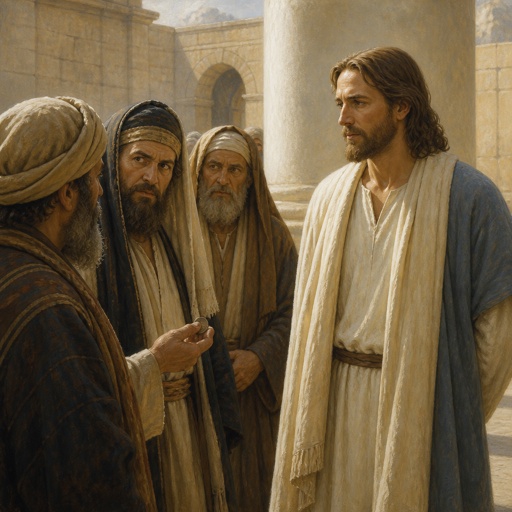
"But he perceived their craftiness, and said unto them, Why tempt ye me?" - Luke 20:23

Luke 23:53

Luke 19:23

luke 11:23

Luke 19:23

Luke 13:20-21

Luke 13:20-21

luke 11:23

Luke 15:23

luke 11:23

luke 11:23

Luke 13:20-21

Luke 13:20-21
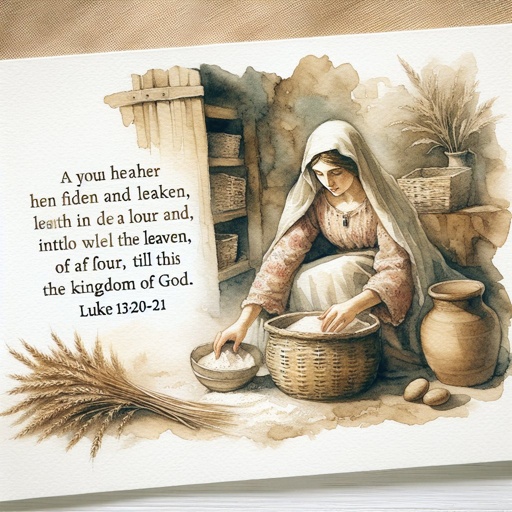
Luke 13:20-21

Exodus 23:20

Luke 20:28

Genesis 23-20

Leviticus 23:20

Luke 23:54 - "And that day was the preparation, and the sabbath drew on."

Luke 23:23 - "And they were instant with loud voices, requiring that he might be crucified. And the voices of them and of the chief priests prevailed."

Luke 2:1-20

Luke 23:24 - "And Pilate gave sentence that it should be as they required."

Leviticus 24:20-23

Luke 20:7 - "And they answered, that they could not tell whence it was."

Luke 23:45 - "And the sun was darkened, and the veil of the temple was rent in the midst."

Luke 7:23 - "And blessed is he, whosoever shall not be offended in me."

Luke 23:21 - "But they cried, saying, Crucify him, crucify him."