The Empty Tomb: A Revelation of Hope
“And they entered in, and found not the body of the Lord Jesus.” — Luke 24:3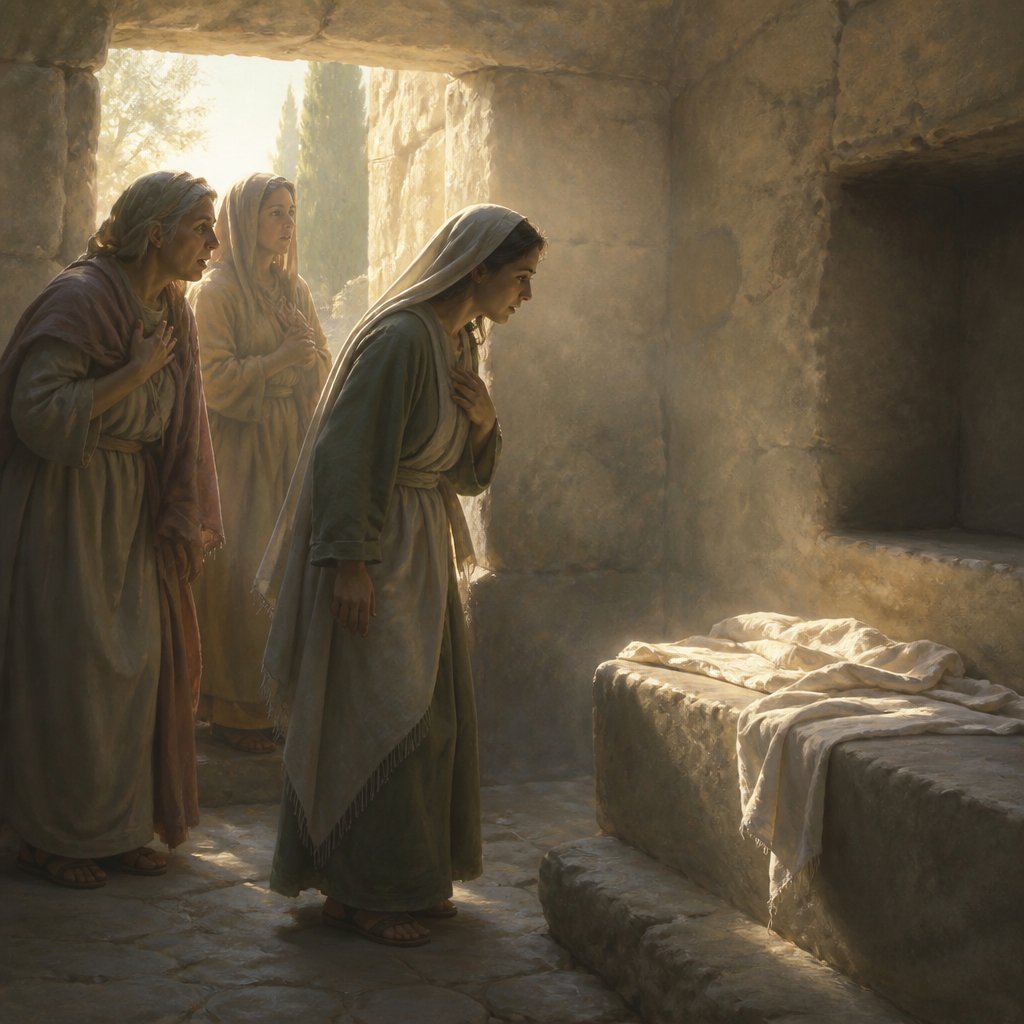
As dawn broke on that first Easter morning, the air was thick with anticipation and sorrow. The women who walked toward the tomb were enveloped in grief, their hearts heavy with despair. They had witnessed the crucifixion of Jesus; the weight of their loss was immense. Yet, their commitment did not waver. They came to anoint His body, a final act of love and devotion. In their minds, the story had ended in tragedy. They did not understand that they were walking toward an extraordinary revelation that would change the course of history.
The King James Version of the Bible, in Luke 24:3, states, "And they entered in, and found not the body of the Lord Jesus." This verse is not merely a statement of fact; it is the beginning of an explosion of hope. The absence of His body signifies more than loss—it signifies victory over death and the promise of resurrection.
As they entered the tomb, the women expected to find the cold, lifeless body of their Teacher, their Savior. Instead, they encountered emptiness. How startling it must have been for them! The empty tomb was a paradox; a void that spoke volumes. In that emptiness lay the fulfillment of Jesus’ promises. He had already foretold that He would rise again on the third day (Luke 9:22), but His followers clung to their fears rather than His words of hope.
In our lives today, we, too, can find ourselves standing before our own empty tombs—moments when what we held dearly has been lost. We may feel an absence— of dreams, relationships, or circumstances we once believed were certain. Much like the women at the tomb, we often come to God expecting the reality of our struggles to remain unchanged. Yet, God calls us to this place of emptiness to reveal something greater.
When we face our own disappointments or heartaches, we must remember that God can turn our despair into hope. The empty tomb signifies that what we see as death can be transformed into life through faith in Christ. Just as the women approached the tomb, carrying their spices, we can approach our emptiness with offerings of prayer and trust.
Moreover, the empty tomb changes everything! Its truth transcends the temporal. It invites us into a relationship that redefines our understanding of life and death. We are invited to abandon our despair and embrace the promise of resurrection—both in Christ Himself and in our circumstances. Paul writes in 1 Corinthians 15:55, "O death, where is thy sting? O grave, where is thy victory?" This triumph assures us that in Christ, our struggles are not final. Each empty tomb signifies a new beginning, a transformation that is only possible through Jesus.
As we reflect on Luke 24:3, let it inspire us to look past the empty spaces in our lives. Are we willing to believe in the true power of resurrection? Are we prepared to be reformed by the grace that flows from the empty tomb? May we shed the cloak of sorrow and wear a garment of faith—understanding that resurrection life is ours for the taking.
Let us leave behind our spices of grief and embrace the good news that we have been given salvation, hope, and new life. The empty tomb stands as a powerful testament to the faithfulness of God. As we walk forward, may we proclaim with boldness the risen Christ, who invites us to leave our tombs of despair and step into the brightness of His glorious resurrection.
Get our apps


Artwork for Luke 24:3

Luke 24:3 - "And they entered in, and found not the body of the Lord Jesus."
"And they entered in, and found not the body of the Lord Jesus." - Luke 24:3

Luke 3:24 - "Which was the son of Matthat, which was the son of Levi, which was the son of Melchi, which was the son of Janna, which was the son of Joseph,"

Luke 24:1-3 - "On the first day of the week, very early in the morning, the women took the spices they had prepared and went to the tomb. They found the stone rolled away from the tomb, but when they entered, they did not find the body of the Lord Jesus."

Luke 24:1

Luke 24:35

Luke 24:42

Luke 21:24

Luke 13:24

luke 24:17

Luke 24:8 - "And they remembered his words,"

Luke 24:13-35

LUKE 24:41-43

Luke 24:48 - "And ye are witnesses of these things."

Luke 24:24 - "And certain of them which were with us went to the sepulchre, and found it even so as the women had said: but him they saw not."

Luke 23:24 - "And Pilate gave sentence that it should be as they required."
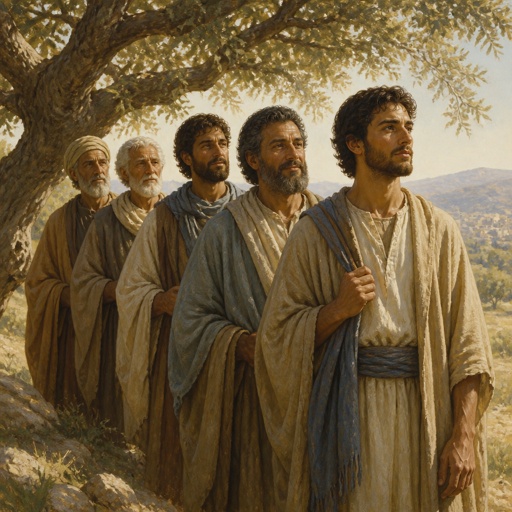
"Which was the son of Matthat, which was the son of Levi, which was the son of Melchi, which was the son of Janna, which was the son of Joseph," - Luke 3:24

Luke 24:45 - "Then opened he their understanding, that they might understand the scriptures,"

Luke 24:52 - "And they worshipped him, and returned to Jerusalem with great joy:"

Luke 24:16 - "But their eyes were holden that they should not know him."

Luke 24:42 - "And they gave him a piece of a broiled fish, and of an honeycomb."

Luke 24:2 - "And they found the stone rolled away from the sepulchre."

Luke 24:43 - "And he took it, and did eat before them."

Luke 24:37 - "But they were terrified and affrighted, and supposed that they had seen a spirit."

Luke 24:14 - "And they talked together of all these things which had happened."

Luke 24:53 - "And were continually in the temple, praising and blessing God. Amen."

Luke 24:11 - "And their words seemed to them as idle tales, and they believed them not."

Luke 24:34 - "Saying, The Lord is risen indeed, and hath appeared to Simon."

"And ye are witnesses of these things." - Luke 24:48
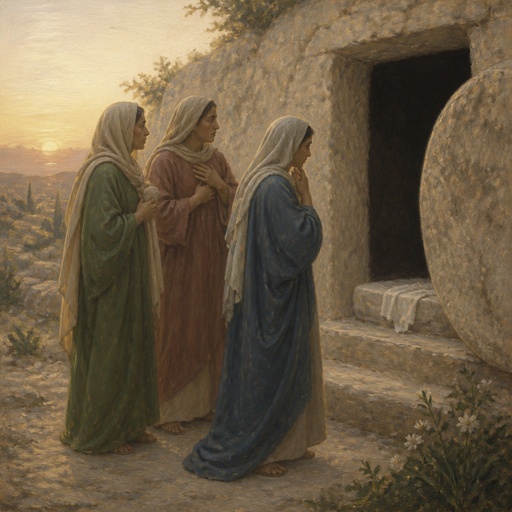
"And they remembered his words," - Luke 24:8