The Unseen Legacy: Lessons from the Genealogy of Jesus
“Which was the son of Joanna, which was the son of Rhesa, which was the son of Zorobabel, which was the son of Salathiel, which was the son of Neri,” — Luke 3:27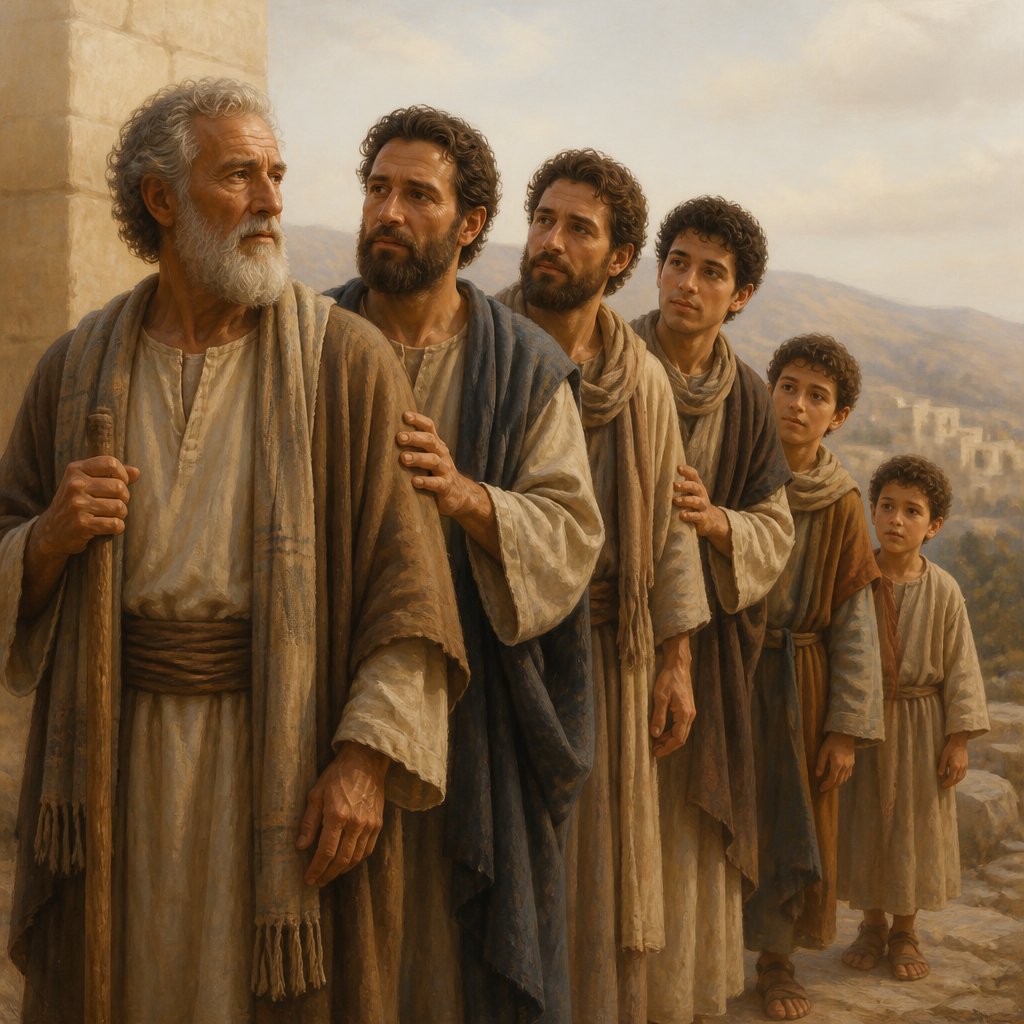
When we explore the genealogy of Jesus as presented in Luke 3, we encounter a long list of names that might seem repetitive or even forgettable at first glance. Yet, in Luke 3:27, we read, "Which was the son of Joanna, which was the son of Rhesa, which was the son of Zorobabel, which was the son of Salathiel, which was the son of Neri." This genealogy serves a profound purpose in Scripture, acting as a conduit through which we can understand God's redemptive work throughout history.
At first, the mention of lineage may seem to have little significance to our modern lives. In an age where personal accomplishments and individual identity are often celebrated over familial ties, we might consider this list to be mere historical trivia. However, as we delve deeper, we find that each name reflects the faithfulness of God across generations and illustrates a larger narrative about His plans for humanity.
**1. The Faithfulness of God**: Each name in this genealogy represents a link in the unbroken chain of God's promise. From Adam to Jesus, countless generations placed their faith in the Lord amidst trials, triumphs, and tribulations. Consider Zorobabel, who returned from Babylonian exile and led the reconstruction of the temple. His lineage connects Jesus to the very heart of Israel's story—a narrative steeped in redemption, restoration, and hope.
As we reflect on this truth, we are reminded that God's faithfulness is not confined to any one generation. He is the God who keeps His promises. In our own lives, we may sometimes struggle to see the threads of God's faithfulness. Yet, we can trust that He is at work in our situations even when we feel lost in obscurity. The legacy of faithfulness showcased in these names is a beacon of hope that God can work through our stories as well.
**2. The Power of Ancestral Roots**: Genealogy may seem like a formality, but it powerfully grounds us in community and legacy. The importance of knowing where we come from shapes our understanding of who we are and where we are going. Looking at the ancestors of Christ allows us to grasp the diversity of God's plan and the rich tapestry of complex lives committed to His service. Here, we see kings, commoners, and those of gentle spirit who each contributed to this holy legacy.
In our culture, we often search for identity and purpose. Understanding our roots can inspire us. It reminds us of the sacrifices made by those who came before us, encouraging us to leave a positive impact for future generations. As the writer of Hebrews exhorts us to fix our eyes on Jesus, the author and perfecter of our faith (Hebrews 12:2), we must also acknowledge that we stand on the shoulders of those who have gone before us.
**3. The Sovereignty of God**: The mention of Joanna, Rhesa, Zorobabel, Salathiel, and Neri, highlights that God's plan unfolds in ways we often cannot foresee. Each of these ancestors played a unique part in what would culminate in the birth of Christ. We acknowledge that God’s puzzle is not always visible until we look back at the picture He is painting. In our personal journey, it can be tempting to despair when situations appear chaotic or when the future seems unclear. However, every life, like each name in the genealogy, matters to God and contributes to His grand narrative.
**Conclusion**: When we contemplate Luke 3:27, we are invited to think beyond the volume of names to the weight of their significance. It speaks of hope, community, and God’s unfaltering plan to bring redemption to humanity through Jesus Christ. Let us remember that each of us is part of a larger story, and our lives can leave a legacy of faith as we trust in God’s elaborate design. May we learn that while our names may fade, our faith and the actions we take in His name can echo through generations. In embracing our roots and trusting in God’s sovereignty, we find purpose, belonging, and meaning.
Get our apps


Artwork for Luke 3:27

Luke 3:27 - "Which was the son of Joanna, which was the son of Rhesa, which was the son of Zorobabel, which was the son of Salathiel, which was the son of Neri,"
"Which was the son of Joanna, which was the son of Rhesa, which was the son of Zorobabel, which was the son of Salathiel, which was the son of Neri," - Luke 3:27

luke 1:27

luke 6: 27

Luke 10:27

Luke 6: 27-38

Luke 6:27-38

Luke 13:28-27

Luke 13:28-27

Luke 13:28-27

Luke 18:27 - "And he said, The things which are impossible with men are possible with God."

Luke 21:27 - "And then shall they see the Son of man coming in a cloud with power and great glory."

Luke 20:27 - "¶ Then came to him certain of the Sadducees, which deny that there is any resurrection; and they asked him,"

Luke 20:27-38. All people of color.

Luke 23:27 - "¶ And there followed him a great company of people, and of women, which also bewailed and lamented him."

Luke 14:27 - "And whosoever doth not bear his cross, and come after me, cannot be my disciple."

Luke 1:27 - "To a virgin espoused to a man whose name was Joseph, of the house of David; and the virgin's name was Mary."

Psalm 27:1-3

exodus 27:3 forks

Psalm 27:2-3

Genesis 27:1-3

Luke 24:27 - "And beginning at Moses and all the prophets, he expounded unto them in all the scriptures the things concerning himself."

Luke 4:27 - "And many lepers were in Israel in the time of Eliseus the prophet; and none of them was cleansed, saving Naaman the Syrian."

Luke 16:27 - "Then he said, I pray thee therefore, father, that thou wouldest send him to my father's house:"

Luke 2:27 - "And he came by the Spirit into the temple: and when the parents brought in the child Jesus, to do for him after the custom of the law,"

Luke 9:27 - "But I tell you of a truth, there be some standing here, which shall not taste of death, till they see the kingdom of God."

Luke 6:27 - "¶ But I say unto you which hear, Love your enemies, do good to them which hate you,"

Luke 22:27 - "For whether is greater, he that sitteth at meat, or he that serveth? is not he that sitteth at meat? but I am among you as he that serveth."

luke 3:1-6

Luke 3:1-6