The Heritage of Faith: Lessons from Luke 3:28
“Which was the son of Melchi, which was the son of Addi, which was the son of Cosam, which was the son of Elmodam, which was the son of Er,” — Luke 3:28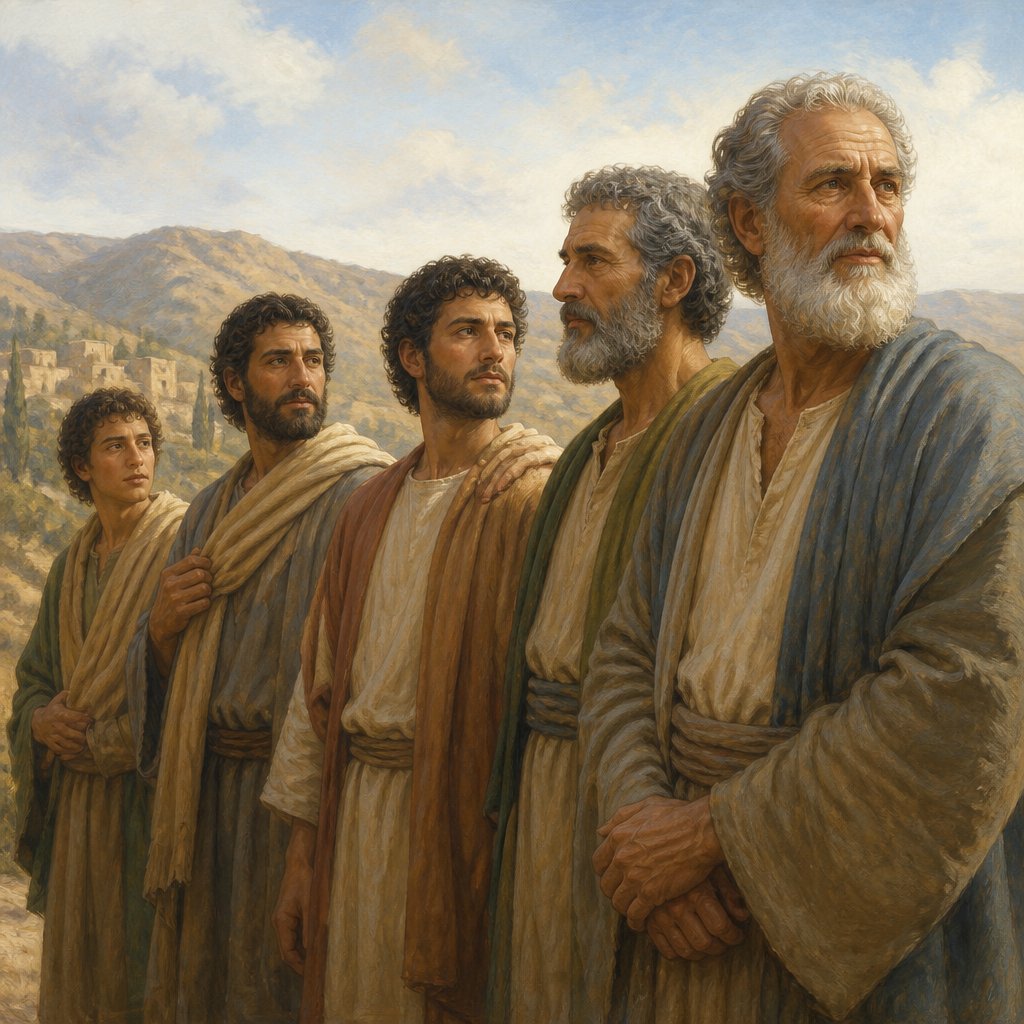
When we turn our attention to the genealogies presented in the Bible, particularly Luke 3:28 which states, "Which was the son of Melchi, which was the son of Addi, which was the son of Cosam, which was the son of Elmodam, which was the son of Er," we may initially feel a sense of detachment. Genealogies can sometimes appear dry or laborious, a seemingly endless list of names that do not resonate with our modern-day understanding or interest. However, upon deeper reflection, these verses are rich with meaning and profound implications for our faith journey.
This specific verse is part of a longer genealogy that traces the lineage of Jesus Christ back to Adam. Why is this significant? Firstly, it reaffirms the humanity of Christ, connecting Him with our shared ancestry. Each name listed represents a life, a story, and a legacy. These are people who lived, struggled, and hoped, and they collectively form the family tree of our Savior. It serves as a reminder that every family has its complexities and flaws, yet God chooses to work through imperfect people to fulfill His divine plan.
As we meditate on the names mentioned here, let us consider the characteristics and faithfulness that each individual might represent. Melchi, Addi, Cosam, Elmodam, and Er existed not just as footnotes in a genealogical record, but as faithful servants in the overarching story of redemption. It prompts us to ask, "What kind of legacy are we creating in our lives and families?" Are we establishing a heritage that reflects faith, perseverance, and reliance on God?
In this modern world, where individualism often reigns and family ties may feel weakened, these verses challenge us to examine our connection to our family history and our place within God’s eternal story. Each generation influences the next; we must recognize that our actions and beliefs can have a lasting impact on those who follow. What principles are we instituting in our homes? Are they godly principles that can be passed down?
Moreover, Luke’s genealogy does more than just connect Jesus to humanity; it also highlights the faithfulness of God through the ages. The meticulous recording of names illustrates God’s sovereignty in orchestrating history to lead us to Christ. Paul reminds us in Romans 8:28 that God works all things together for good to those who love Him; this truth is perfectly embodied in the lineage of Jesus. Each name, each life, each return to the faith is a part of the divine tapestry God weaves for our salvation.
In the hustle and bustle of life, it is easy to forget the roots of our faith. We may feel disconnected from our past or question the relevance of those who came before us. Yet, it is essential to honor our legacy in Christ. Drawing from the deep well of faith traditions, we can understand how God’s promise transcends generations and how we fit into that promise today.
Furthermore, this genealogy serves as an invitation to delve deeper into our Scripture. Each name can lead to stories that unveil God’s character and His unwavering commitment to His people, helping us find strength, hope, and wisdom. Just as Christ came from a long line of those who walked by faith, we too are called to embrace our identity in Him and steward our heritage wisely.
In closing, let us reflect on Luke 3:28 with a renewed sense of purpose. Consider the names that make up your own spiritual lineage and the legacy you wish to leave. Embrace the challenge to create a faithful heritage grounded in Christ. As we acknowledge our past, let us propel forward in faith—encouraged by the stories of those who’ve come before us, repeatedly demonstrating God’s faithfulness throughout generations.
Get our apps


Artwork for Luke 3:28

Luke 3:28 - "Which was the son of Melchi, which was the son of Addi, which was the son of Cosam, which was the son of Elmodam, which was the son of Er,"
"Which was the son of Melchi, which was the son of Addi, which was the son of Cosam, which was the son of Elmodam, which was the son of Er," - Luke 3:28

Luke 20:28

Luke 19:28

luke 13:28-37

Luke 13:28-27

Luke 13:28-27

Luke 9:28-45

Luke 13:28-27

luke 13:28-37

Luke 5:28 - "And he left all, rose up, and followed him."

Luke 22:28 - "Ye are they which have continued with me in my temptations."

Luke 4:28 - "And all they in the synagogue, when they heard these things, were filled with wrath,"

Luke 2:28 - "Then took he him up in his arms, and blessed God, and said,"

Luke 18:28 - "Then Peter said, Lo, we have left all, and followed thee."

Luke 11:28 - "But he said, Yea rather, blessed are they that hear the word of God, and keep it."

Job 28:3

Daniel 3:28

Job 28:3

Job 28:3

Luke 6:28 - "Bless them that curse you, and pray for them which despitefully use you."

Luke 17:28 - "Likewise also as it was in the days of Lot; they did eat, they drank, they bought, they sold, they planted, they builded;"

Luke 15:28 - "And he was angry, and would not go in: therefore came his father out, and intreated him."

Luke 19:28 - "¶ And when he had thus spoken, he went before, ascending up to Jerusalem."

Luke 10:28 - "And he said unto him, Thou hast answered right: this do, and thou shalt live."

2 Chronicles 28:3

Luke 23:28 - "But Jesus turning unto them said, Daughters of Jerusalem, weep not for me, but weep for yourselves, and for your children."

Luke 24:28 - "And they drew nigh unto the village, whither they went: and he made as though he would have gone further."

Luke 16:28 - "For I have five brethren; that he may testify unto them, lest they also come into this place of torment."
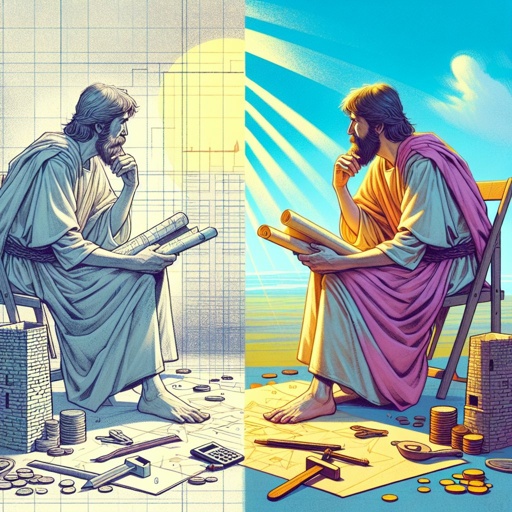
Luke 14:28 - "For which of you, intending to build a tower, sitteth not down first, and counteth the cost, whether he have sufficient to finish it?"