The Legacy of Faith: A Lineage of Hope
“Which was the son of Mathusala, which was the son of Enoch, which was the son of Jared, which was the son of Maleleel, which was the son of Cainan,” — Luke 3:37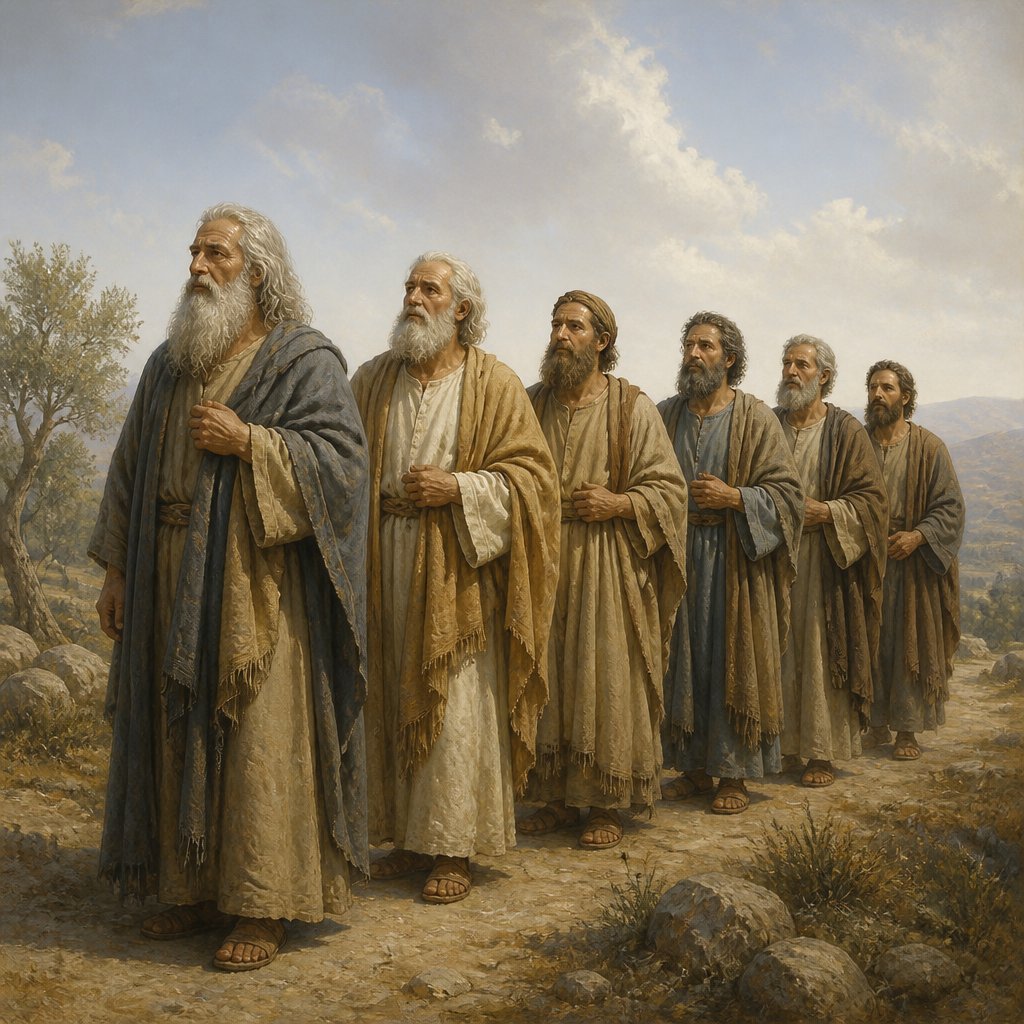
When we delve into the genealogy outlined in Luke 3:37, we encounter a series of names that may seem trivial or monotonous at first glance: "Which was the son of Mathusala, which was the son of Enoch, which was the son of Jared, which was the son of Maleleel, which was the son of Cainan." Yet, these verses hold profound truths and vital lessons about legacy, faith, and God’s salvific plan through generations.
In our modern, fast-paced world, it is easy to overlook the importance of lineage and heritage. We often focus on the immediate and the tangible. However, the genealogy presented in the Bible, especially in the account of Luke, serves not only as a historical record but as a constellation of spiritual milestones. Each name represents a life lived in relation to God, illuminating a legacy that transcends time.
**The Significance of Names**
The mention of these ancestral figures reminds us of God’s faithfulness across generations. Mathusala (Methuselah), Enoch, Jared, Maleleel (Mahaleel), and Cainan were more than just names; they were men of God. For instance, Enoch, the father of Methuselah, was notable for his walk with God. Genesis 5:24 states, "And Enoch walked with God: and he was not; for God took him." This highlights not only Enoch’s personal relationship with God but also his influence on future generations. His walk with God contrasts sharply with the world around him, making his story a testament to living faithfully in pursuit of a divine relationship.
**Lessons from Methuselah**
Mathusala lived the longest of any human recorded in the Bible, at 969 years (Genesis 5:27). His very name means "his death shall bring"—profoundly prophetic as it signifies that his death would precede the great flood in Noah’s time. This duality of life and death serves as sobering and hopeful. It highlights God’s patience and mercy, as the delay of the flood allowed for repentance. Mathusala’s life embodies God’s grace; his legacy was a silent call to righteousness as he lived in a thoroughly corrupt world.
**The Challenge of the Present**
As we reflect on this genealogy, we must ask ourselves: What will our legacy be? In a world that is often chaotic and unfaithful, will we be like Enoch, who walked faithfully with God, or like the eventual generations who turned away? The names listed in Luke 3 are a constant reminder that each of us is weaving a story, interconnected with those who came before us and those who will come after us. We are not merely individuals; we are part of a spiritual lineage, responsible for passing the baton of faith.
**Inviting God into Our Legacy**
Like Jared, who means "descent" and signifies being brought down, we have a choice to either descend into worldly temptations or ascend into a deeper relationship with God. We are invited to abide by the truth of God’s Word, rooting ourselves in the legacy of believers who have gone before us. Let us invite God into our lives to guide every decision, reflect on what we can learn from Scripture, and manifest His love in our actions, ensuring that we leave a legacy that honors Him.
**Conclusion: Building a Lasting Heritage**
The genealogy encapsulated in Luke 3:37 may appear to be a list of names, yet it unfolds a narrative of hope, faith, and perseverance. Each name represents a legacy of faithfulness amidst turmoil and serves as a template for us today. Let us strive to walk in the footsteps of our forebears, with a generous heart and a firm trust in God. We can face the world with courage, knowing the legacy we create may just inspire the next generation to seek God’s face and walk in His ways. In the grand tapestry of God’s family tree, what will your name contribute?
Get our apps


Artwork for Luke 3:37

Luke 3:37 - "Which was the son of Mathusala, which was the son of Enoch, which was the son of Jared, which was the son of Maleleel, which was the son of Cainan,"
"Which was the son of Mathusala, which was the son of Enoch, which was the son of Jared, which was the son of Maleleel, which was the son of Cainan," - Luke 3:37

Luke 2:37

Luke 2:37

Luke 2:37

Luke 2:37

Luke 2:37

Luke (1:37) For nothing will be impossible with God.”

Luke (1:37) For nothing will be impossible with God.”

Luke (1:37) For nothing will be impossible with God.”

Luke (1:37) For nothing will be impossible with God.”

Luke (1:37) For nothing will be impossible with God.”

Luke (1:37) For nothing will be impossible with God.”

Luke (1:37) For nothing will be impossible with God.”

Luke (1:37) For nothing will be impossible with God.”

Luke (1:37) For nothing will be impossible with God.”

Luke (1:37) For nothing will be impossible with God.”

Luke (1:37) For nothing will be impossible with God.”

Luke (1:37) For nothing will be impossible with God.”

Luke (1:37) For nothing will be impossible with God.”

Luke (1:37) For nothing will be impossible with God.”

Luke (1:37) For nothing will be impossible with God.”

Luke (1:37) For nothing will be impossible with God.”

Luke (1:37) For nothing will be impossible with God.”

Luke (1:37) For nothing will be impossible with God.”

Luke (1:37) For nothing will be impossible with God.”

Luke (1:37) For nothing will be impossible with God.”

Luke (1:37) For nothing will be impossible with God.”

Luke (1:37) For nothing will be impossible with God.”

Luke (1:37) For nothing will be impossible with God.”