Standing Forth When Called
“But he knew their thoughts, and said to the man which had the withered hand, Rise up, and stand forth in the midst. And he arose and stood forth.” — Luke 6:8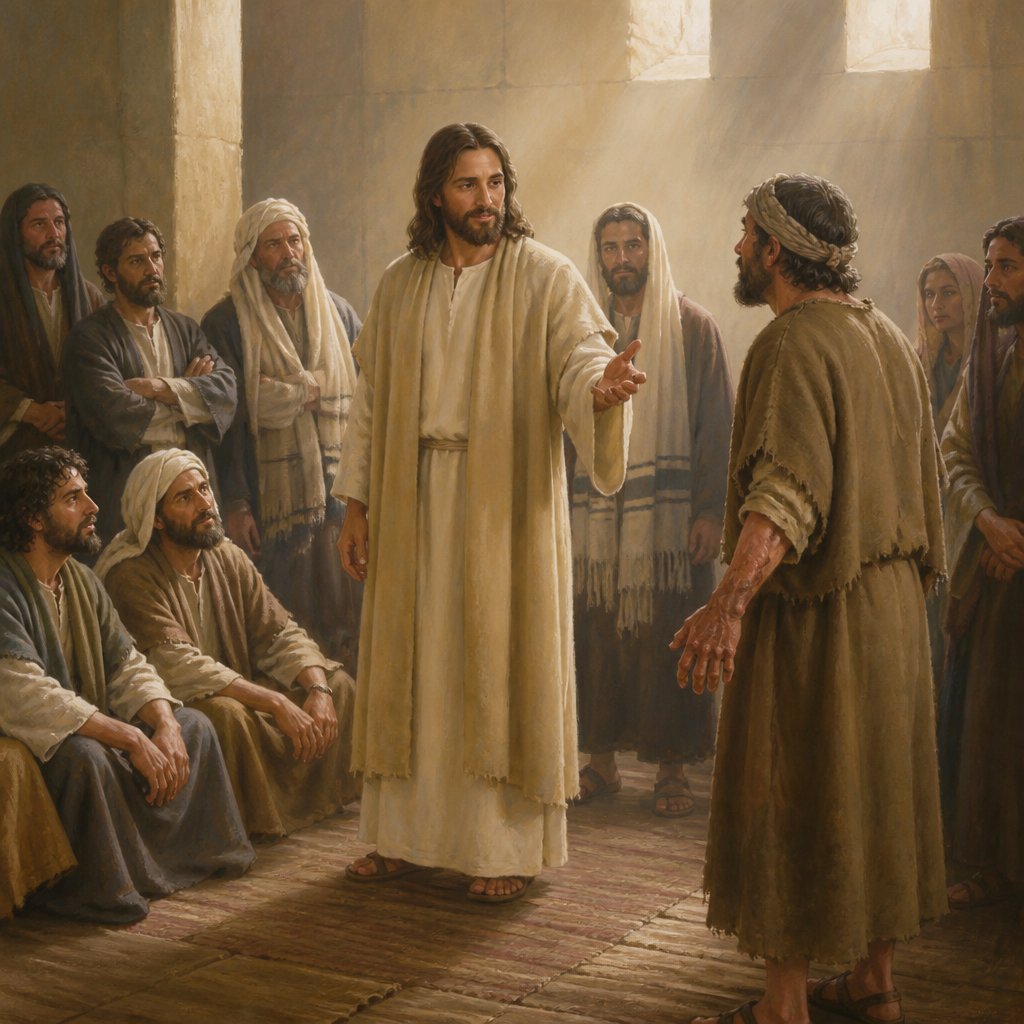
In Luke 6:8, we find a powerful scene that resonates with personal transformation and divine intervention. The scripture states, "But he knew their thoughts, and said to the man which had the withered hand, Rise up, and stand forth in the midst. And he arose and stood forth." This moment encapsulates the authority of Jesus, as He perceives the hidden thoughts of those around Him—an act that foreshadows not only his divine nature but also the deep compassion He has for humanity.
To fully appreciate this passage, we must first consider the context. Jesus had entered a synagogue in Capernaum on the Sabbath, a day mandated for rest and reflection. The presence of the man with the withered hand suggests a duality of vulnerability and strength. Physically, he is encapsulated by his disability; spiritually, he stands at the precipice of miraculous healing. In this incident, Jesus is confronted not just with the man's need but also with the skepticism and judgment of the Pharisees who were watching him closely, hoping to find grounds to accuse Him of breaking the law by healing on the Sabbath.
Jesus' response to this challenge is striking. He knows their thoughts, an indication of His omniscience. This knowledge empowers Him to address them directly while simultaneously acknowledging the suffering of the man. His command, "Rise up, and stand forth in the midst," serves to spotlight not just the man, but the confronting power of faith over fear, hope over despair.
The act of standing forth symbolizes more than mere physical movement—it signifies the courage to step into one’s identity and purpose, despite societal fears and limitations. The man, likely accustomed to hiding his shame and disability, is called to exhibit vulnerability and strength in a public space. It brings to mind a theme prevalent throughout the scriptures: God often chooses the broken and marginalized to manifest His glory.
In our lives, we may resonate with the man with the withered hand—encumbered by our own disabilities, sins, or societal labels that serve to isolate us. We might feel hesitant to stand forth because of our past mistakes or present struggles. Yet, Jesus' call is an invitation to rise above these challenges. In extending His hand to heal, He compels us to abandon our reluctance, encouraging us to claim our rightful space within His grace.
Furthermore, this particular scripture epitomizes a critical aspect of faith: the willingness to respond to God’s call amid opposition. The man did not hesitate; he arose and stood forth. His obedience, even in the face of a crowd that may have not supported him, exemplifies radical faith. How often do we allow the opinions and expectations of others to dictate our relationship with God? The call to stand forth requires a level of trust that believes we are accepted, worthy, and capable of His healing touch.
As believers, every time we are hesitant to share our true selves—whether due to fear of judgment, past sins, or doubts in our capability—we diminish the transformative power of Christ in our lives. When we stand forth as we are, wounded but willing, vulnerable yet hopeful, we are not only expressing our faith but also inviting collective healing among those who witness our testimony.
So, let us reflect: What withered areas of our lives do we need to bring forth in obedience to Christ? Are there talents buried under layers of skepticism that need the light of His love? Are there fears that keep us from stepping into our God-given roles? Jesus is inviting us to rise up, not just for ourselves, but as a testament to His miraculous power. May we have the courage to stand forth and, in doing so, reveal the multiplicity of grace available in the divine call to witness and testify to His goodness. Let us not only be healed ourselves but also aim to be instruments of healing for others.
Get our apps


Artwork for Luke 6:8

Luke 6:8 - "But he knew their thoughts, and said to the man which had the withered hand, Rise up, and stand forth in the midst. And he arose and stood forth."
"But he knew their thoughts, and said to the man which had the withered hand, Rise up, and stand forth in the midst. And he arose and stood forth." - Luke 6:8

Luke 8:6 - "And some fell upon a rock; and as soon as it was sprung up, it withered away, because it lacked moisture."

Luke 8:5-8
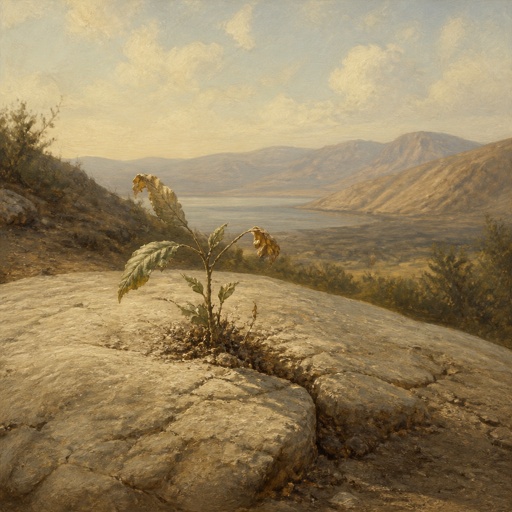
"And some fell upon a rock; and as soon as it was sprung up, it withered away, because it lacked moisture." - Luke 8:6

Luke 6

Luke 8:16

Luke 8:11

Luke 8:17

Luke 8:13

Luke 8:13

Luke 8:13

luke 6:30

luke 6: 27

Luke 24:8 - "And they remembered his words,"

6:6 8

Luke 2 v 8

Luke 8:4-18

Luke 6: 27-38

Luke 6:21-26

Luke 13:6-9

Luke 3:1-6

Luke 3:1-6

Luke 6:27-38

Luke 6:21-26

luke 3:1-6

Luke 8:11 - "Now the parable is this: The seed is the word of God."

Luke 14:6 - "And they could not answer him again to these things."

1 Kings 8:6-8

Luke 6:6 - "And it came to pass also on another sabbath, that he entered into the synagogue and taught: and there was a man whose right hand was withered."