Beyond Doubt: A Journey of Faith
“And John calling unto him two of his disciples sent them to Jesus, saying, Art thou he that should come? or look we for another?” — Luke 7:19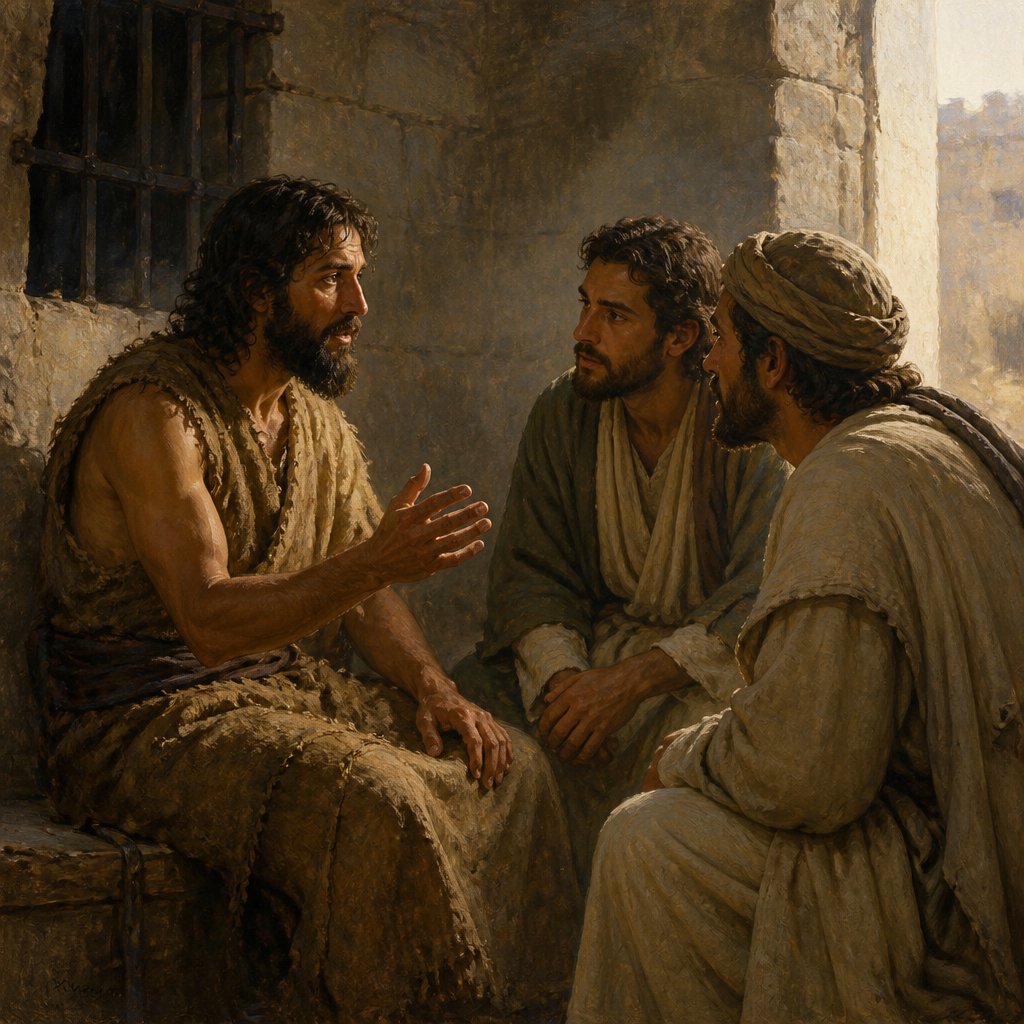
In the seventh chapter of the Gospel of Luke, we encounter a poignant moment in the life of John the Baptist, a pivotal figure in the New Testament. The verse, “And John calling unto him two of his disciples sent them to Jesus, saying, Art thou he that should come? or look we for another?” (Luke 7:19, KJV) encapsulates a profound mixture of faith, doubt, and the quest for assurance, themes that resonate deeply within the human condition.
To provide some context, John the Baptist had experienced a remarkable life filled with divine encounters. From his miraculous conception announced by an angel (Luke 1) to his bold proclamations calling people to repentance, John’s life was set against the backdrop of prophecy and expectation. He had witnessed the baptism of Jesus, where the heavens opened, and the Spirit descended upon Jesus like a dove. He testified, “Behold the Lamb of God, which taketh away the sin of the world” (John 1:29). Yet, in this moment of uncertainty, we see John, imprisoned and facing adversity, send his disciples to question the very one he had heralded as the Messiah.
The beauty of this scripture lies in its authenticity. Even a man of John’s stature faced moments of doubt. His question, “Art thou he that should come? or look we for another?” is not merely a challenge to Jesus’s identity but reflects an earnest plea for confirmation amidst his circumstance. It speaks to the heart of many believers who, when faced with trials, can find themselves wrestling with doubt about God’s promises and purposes. John’s inquiry is relatable; it invites us to explore the nature of faith—not an unquestioning blind belief, but a faith that engages with our doubts, seeking a deeper understanding of God’s plan.
When we encounter difficulties in life, the human tendency is to question God’s presence and His intentions. Why do bad things happen to good people? Where is God in our suffering? Such questions are not signs of weak faith but opportunities for growth. They prompt us to seek God more earnestly, reminding us of the initial spark that led us to seek Him in the first place. In this light, John’s question becomes a catalyst for discovery.
Jesus’ response to John's disciples is profound. Instead of a direct answer affirming His identity, He points to His works: “Go your way, and tell John what things ye have seen and heard; how that the blind see, the lame walk, the lepers are cleansed, and the dead rise to the dead...” (Luke 7:22, KJV). Here, Jesus emphasizes His actions, fulfilling prophecies from Isaiah about the Messiah (Isaiah 35:5-6; 61:1). This response serves two purposes: it affirms Jesus’ identity through His works, and it reassures John, grounding his faith in the evidence of God’s action in the world.
For us today, this account teaches that it is essential not only to seek answers but also to witness the fruits of faith and God’s handiwork in our lives. Are there moments in our lives when we feel lost or question our faith? We should take note of God’s faithfulness in our past experiences. Reflecting on answered prayers, acts of kindness, and times of profound peace in the storm can fuel our belief in Christ, even when circumstances seem to contradict His promises.
Ultimately, John’s inquiry and Jesus’ reply lead us to a deeper understanding of faith. Faith is both the assurance of things hoped for and the evidence of things not seen (Hebrews 11:1). Doubt does not preclude faith; instead, doubt can be the doorway to a more profound relationship with God. When we confront our questions, we open ourselves to receive deeper truths and, just like John, can emerge more resolute in our faith journey.
In this mirrored reflection of faith and doubt, let us remember that even the strongest believers have moments of uncertainty. Through prayer, scripture, and community, we can seek clarity and grow in our understanding of God’s ways. May we echo John’s quest for truth, always seeking Jesus, the ultimate answer to our questions.
Get our apps


Artwork for Luke 7:19

Luke 7:19 - "¶ And John calling unto him two of his disciples sent them to Jesus, saying, Art thou he that should come? or look we for another?"
"¶ And John calling unto him two of his disciples sent them to Jesus, saying, Art thou he that should come? or look we for another?" - Luke 7:19

Luke 19:7 - "And when they saw it, they all murmured, saying, That he was gone to be guest with a man that is a sinner."
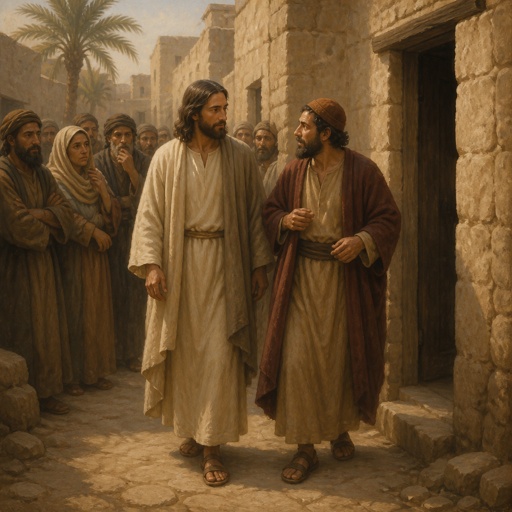
"And when they saw it, they all murmured, saying, That he was gone to be guest with a man that is a sinner." - Luke 19:7

Luke 10:18-19

Luke 13:18-19

Luke 10:18-19

Luke 10:18-19

Luke 13:18-19

Luke 10:17-19

Luke 10:18-19

Luke 10:18-19

Luke 10:18-19

Luke 10:17-19

Luke 19:23

Luke 1:19

Luke 19:23

Luke 19:19 - "And he said likewise to him, Be thou also over five cities."

Luke 19:10
Luke 1:19

Luke 19:28

Luke 1:19

luke 21:5-19

Luke 19:1-10

Luke 10:18-19

Luke 19:1-10

Luke 21:15-19

Luke 4:19 - "To preach the acceptable year of the Lord."

Luke 19:34 - "And they said, The Lord hath need of him."

Luke 19:36 - "And as he went, they spread their clothes in the way."