The Alabaster Box: A Heart of Worship
“And, behold, a woman in the city, which was a sinner, when she knew that Jesus sat at meat in the Pharisee’s house, brought an alabaster box of ointment,” — Luke 7:37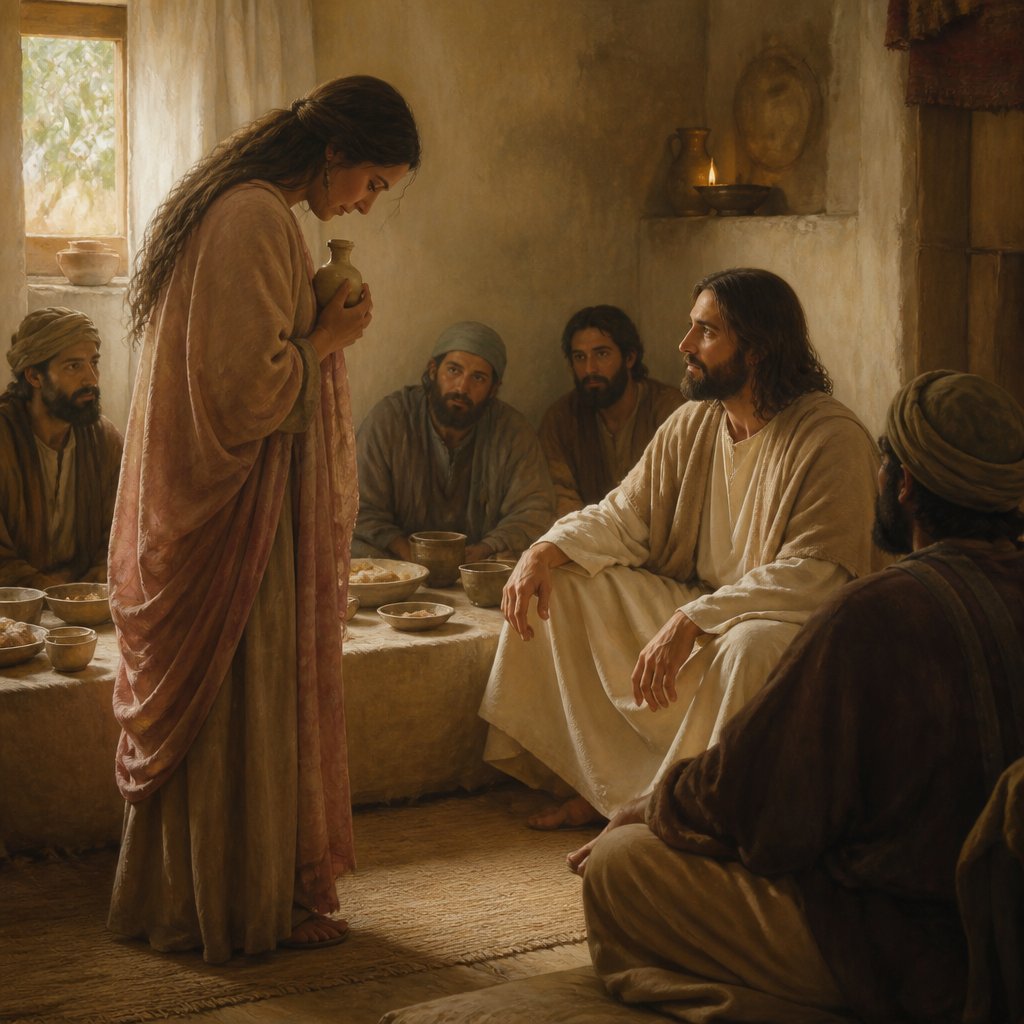
In Luke 7:37, we encounter a profound moment that reveals the heart of God towards sinners and the essence of true worship. The verse reads, "And, behold, a woman in the city, which was a sinner, when she knew that Jesus sat at meat in the Pharisee's house, brought an alabaster box of ointment."
This passage introduces us to an unnamed woman, a sinner in the eyes of society, whose actions would shock the religious elite and touch the heart of Jesus. There are several layers to unpack in this story that resound with truths relevant to our spiritual lives today.
### The Weight of Sin and Identity
First, we must recognize the weight of the woman's identity as "a sinner." In biblical times, a woman bearing this label likely carried with her not just the shame of her actions but a societal rejection that accompanied them. It is essential that we approach her story with compassion, understanding that the shame of sin can weigh heavily on one's heart. Yet, in this narrative, the woman's identity is transformed in the presence of Christ. When she comes to Jesus, she is not just defined by her past but by her willingness to seek redemption in the face of rejection. This speaks to us today, for we, too, have been marked by sin and have often allowed our mistakes to dictate our identity. Like the woman, we are invited to seek Jesus, who redefines our essence beyond our past.
### The Boldness of Worship
Next, we observe the boldness with which she approaches Jesus. Knowing she would likely face scorn, she moved beyond fear and shame. Her knowledge of Jesus sitting at the Pharisee's house ignited a passion in her that led to action—a desire to honor the One who can forgive her and restore her. She breaks societal norms and barriers, choosing love over fear. In our lives, how often do we hesitate to worship because of fear—fear of what others might think, fear of our unresolved issues, or even fear of our own unworthiness? The woman teaches us that true worship is an act of bravery, motivated by an understanding of God’s grace.
### The Symbolism of the Alabaster Box
The alabaster box is more than just a physical container; it symbolizes her life, her past, and her deepest affections. The costly ointment contained within held immense value. The anointing was not merely a ritual; it represented her heart's offering to the Savior, an act of surrender that cost her greatly. In our own spiritual journeys, we should ask ourselves: What is our alabaster box? What do we hold dear that requires our surrender to God?
When we bring our burdens, our shame, our gifts, and our worship to Jesus, we echo the woman’s faith. She does not hold back in her offering; she pours out the expensive ointment on His feet, signifying her total devotion. Are we willing to pour out everything for Him? This story encourages us to step out and give our best—our time, our effort, our talents—without reservation.
### Conclusion: The Transformative Power of Forgiveness
Finally, the response of Jesus to the woman highlights the transformative power of forgiveness. In Luke 7:48, He says, "Thy sins are forgiven." This declaration not only changes her life but underscores the message that no matter our past, we are offered a new identity through Christ. He sees our willingness to approach Him in sincerity, and He meets us with mercy and grace.
As we reflect on Luke 7:37, may we be moved to bring our alabaster boxes to Jesus. Let us approach His presence, offering Him our lives in authentic worship, recognizing that in His gaze, we are no longer defined by our sin but by the unmerited grace He pours out upon us.
Get our apps


Artwork for Luke 7:37

Luke 7:37 - "And, behold, a woman in the city, which was a sinner, when she knew that Jesus sat at meat in the Pharisee's house, brought an alabaster box of ointment,"

Luke 7:37-38 - "And behold, a woman in the city who was a sinner, when she knew that Jesus was sitting at the table in the Pharisee's house, brought an alabaster flask of fragrant oil, and stood at His feet behind Him weeping; and she began to wash His feet with her tears, and wiped them with the hair of her head; and she kissed His feet and anointed them with the fragrant oil."
"And, behold, a woman in the city, which was a sinner, when she knew that Jesus sat at meat in the Pharisee's house, brought an alabaster box of ointment," - Luke 7:37
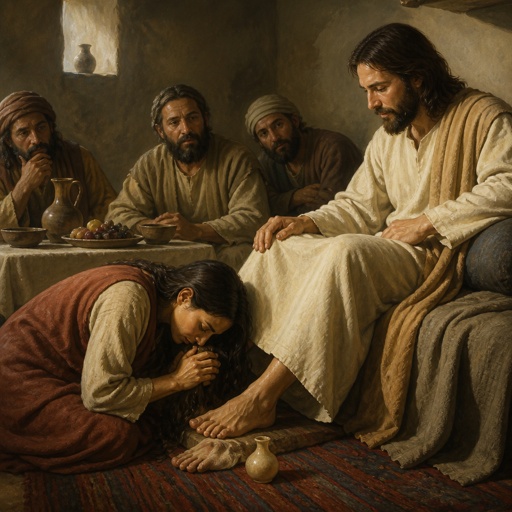
"And behold, a woman in the city who was a sinner, when she knew that Jesus was sitting at the table in the Pharisee's house, brought an alabaster flask of fragrant oil, and stood at His feet behind Him weeping; and she began to wash His feet with her tears, and wiped them with the hair of her head; and she kissed His feet and anointed them with the fragrant oil." - Luke 7:37-38

Luke 2:37

Luke 2:37

Luke 2:37

Luke 2:37

Luke 2:37

Luke (1:37) For nothing will be impossible with God.”

Luke (1:37) For nothing will be impossible with God.”

Luke (1:37) For nothing will be impossible with God.”

Luke (1:37) For nothing will be impossible with God.”

Luke (1:37) For nothing will be impossible with God.”

Luke (1:37) For nothing will be impossible with God.”

Luke (1:37) For nothing will be impossible with God.”

Luke (1:37) For nothing will be impossible with God.”

Luke (1:37) For nothing will be impossible with God.”

Luke (1:37) For nothing will be impossible with God.”

Luke (1:37) For nothing will be impossible with God.”

Luke (1:37) For nothing will be impossible with God.”

Luke (1:37) For nothing will be impossible with God.”

Luke (1:37) For nothing will be impossible with God.”

Luke (1:37) For nothing will be impossible with God.”

Luke (1:37) For nothing will be impossible with God.”

Luke (1:37) For nothing will be impossible with God.”

Luke (1:37) For nothing will be impossible with God.”

Luke (1:37) For nothing will be impossible with God.”

Luke (1:37) For nothing will be impossible with God.”

Luke (1:37) For nothing will be impossible with God.”