The Depth of Forgiveness: Understanding Our Debt Before God
“There was a certain creditor which had two debtors: the one owed five hundred pence, and the other fifty. And when they had nothing to pay, he frankly forgave them both. Tell me therefore, which of them will love him most? Simon answered and said, I suppose that he, to whom he forgave most. And he said unto him, Thou hast rightly judged.” — Luke 7:41-43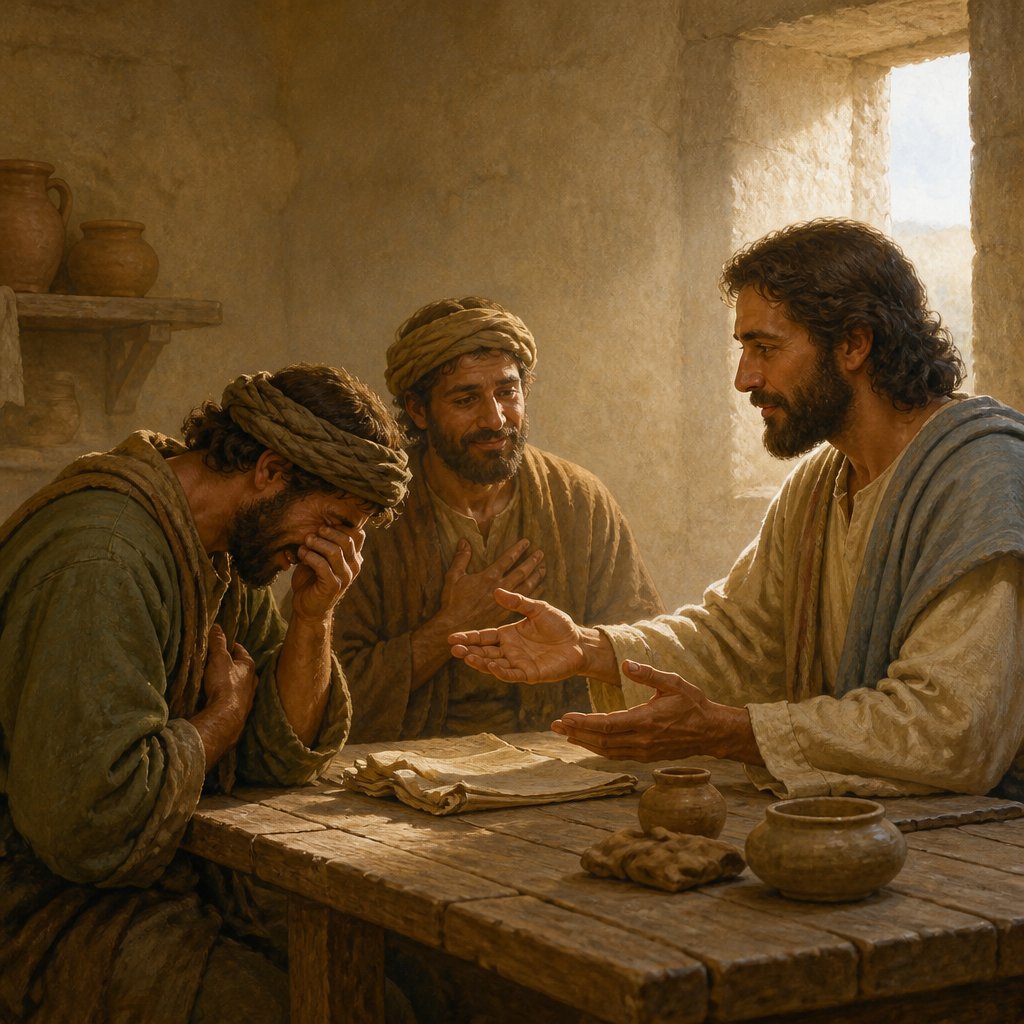
In Luke 7:41-43 we encounter a profound parable spoken by Jesus: "There was a certain creditor which had two debtors: the one owed five hundred pence, and the other fifty. And when they had nothing to pay, he frankly forgave them both. Tell me therefore, which of them will love him most? Simon answered and said, I suppose that he, to whom he forgave most. And he said unto him, Thou hast rightly judged."
This parable serves as a powerful reminder of the weight of our sins and the magnitude of God’s forgiveness. The two debtors represent us all—each one of us indebted to God for our shortcomings and failures. The debt of five hundred pence, a considerably larger amount, symbolizes the grievous sins that can overwhelm us; conversely, the fifty pence debt highlights lesser sins that seem more manageable. Yet, in the scope of divine forgiveness, both debts are insurmountable without the grace of God.
In the world today, we often categorize sins based on their severity. We draw comparisons that can lead us to believe that our debt to God is lighter or more significant than others. However, Jesus' teaching dismantles this mindset, illustrating that regardless of how we perceive the magnitude of our transgressions, every sin separates us from the perfection of God. The common thread between the two debtors is that they both owed something they could not pay. This resonates deeply in our souls; we might have a silent understanding that we cannot redeem ourselves, regardless of the size of our debts.
The creditor’s decision to forgive both debtors freely is a captivating depiction of God’s grace. Forgiveness is the unmerited favor given to us in spite of our inability to repay our obligations. This parable urges us to reflect on the freedom and relief that comes from receiving grace—we are no longer burdened by our debt. This is the gospel—a message that shifts the narrative from what we owe to what has been forgiven.
In Simon’s answer, we see a glimmer of understanding. He observes that the one forgiven the larger debt would naturally love the creditor more. This reaction helps us to grasp that the depth of our understanding of forgiveness correlates with our gratitude. When we comprehend the depth of our sinfulness, we begin to sense the immeasurable nature of God’s love towards us.
The question Jesus posed wasn’t merely for Simon’s benefit—it invites each of us to wrestle with our understanding of grace. Who among us have truly recognized the depth of our debt? Often, the forgiver’s act is rooted in the worship of the forgiven. Thus, the depth of our love for God may be a reflection of how critically we acknowledge the weight of what we have been relieved of.
Let us not forget that the forgiveness given is meant to instill love within us. Genuine gratitude transcends mere acknowledgment and should propel us into authentic worship. As we reflect on the enormity of God’s forgiveness, may our lives showcase that love towards Him and impact our relationships with others. In Extending grace to those who have wronged us, we mirror the divine forgiveness we have received.
As we go about our week, let us keep at the forefront of our hearts the importance of forgiveness. Use every opportunity to acknowledge what you have been forgiven and allow that understanding to deepen your love for Christ—a love that leads you to forgive others. Remember, whether our debts seem large or small, the act of forgiveness can always be transformational.
Get our apps


Artwork for Luke 7:41-43

Luke 7:41-43 - "There was a certain creditor who had two debtors. One owed five hundred denarii, and the other fifty. And when they had nothing with which to repay, he freely forgave them both. Tell Me, therefore, which of them will love him more? Simon answered and said, “I suppose the one whom he forgave more.” And He said to him, “You have rightly judged.”"
"There was a certain creditor who had two debtors. One owed five hundred denarii, and the other fifty. And when they had nothing with which to repay, he freely forgave them both. Tell Me, therefore, which of them will love him more? Simon answered and said, “I suppose the one whom he forgave more.” And He said to him, “You have rightly judged.”" - Luke 7:41-43

LUKE 24:41-43

Luke 7:41-47

LUKE 24:41-43 41 And while they still did not believe it because of joy and amazement, he asked them, “Do you have anything here to eat?” 42 They gave him a piece of broiled fish, 43 and he took it and ate it in their presence.

LUKE 24:41-43 41 And while they still did not believe it because of joy and amazement, he asked them, “Do you have anything here to eat?” 42 They gave him a piece of broiled fish, 43 and he took it and ate it in their presence.

Luke 7:41 - "There was a certain creditor which had two debtors: the one owed five hundred pence, and the other fifty."

Luke 7:43 - "Simon answered and said, I suppose that he, to whom he forgave most. And he said unto him, Thou hast rightly judged."
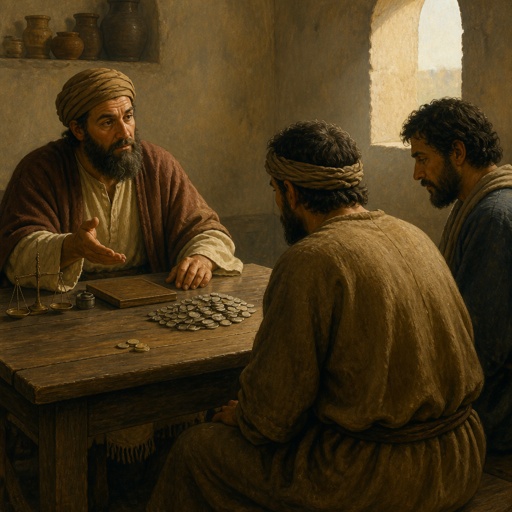
"There was a certain creditor which had two debtors: the one owed five hundred pence, and the other fifty." - Luke 7:41

Luke 24:43 - "And he took it, and did eat before them."

Luke 2:41-52

Luke 1:43 - "And whence is this to me, that the mother of my Lord should come to me?"

Luke 20:43 - "Till I make thine enemies thy footstool."

Luke 22:43 - "And there appeared an angel unto him from heaven, strengthening him."

Genesis 41:43 - "And he made him to ride in the second chariot which he had; and they cried before him, Bow the knee: and he made him ruler over all the land of Egypt."

John 7:43 - "So there was a division among the people because of him."

Luke 12:43 - "Blessed is that servant, whom his lord when he cometh shall find so doing."

Luke 11:43 - "Woe unto you, Pharisees! for ye love the uppermost seats in the synagogues, and greetings in the markets."

Luke 19:41 - "¶ And when he was come near, he beheld the city, and wept over it,"

Luke 20:41 - "And he said unto them, How say they that Christ is David's son?"

1 Kings 7:43 - "And the ten bases, and ten lavers on the bases;"

Luke 22:41 - "And he was withdrawn from them about a stone's cast, and kneeled down, and prayed,"

Luke 2:41 - "Now his parents went to Jerusalem every year at the feast of the passover."
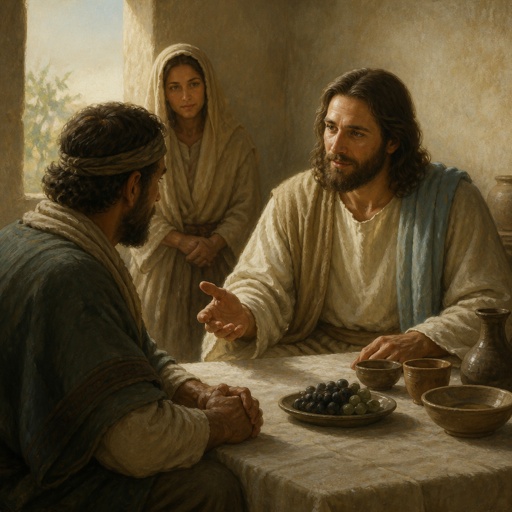
"Simon answered and said, I suppose that he, to whom he forgave most. And he said unto him, Thou hast rightly judged." - Luke 7:43

Nehemiah 7:43 - "¶ The Levites: the children of Jeshua, of Kadmiel, and of the children of Hodevah, seventy and four."

Luke 2:43 - "And when they had fulfilled the days, as they returned, the child Jesus tarried behind in Jerusalem; and Joseph and his mother knew not of it."

"And he took it, and did eat before them." - Luke 24:43

Luke 23:43 - "And Jesus said unto him, Verily I say unto thee, To day shalt thou be with me in paradise."

Luke 6:43 - "For a good tree bringeth not forth corrupt fruit; neither doth a corrupt tree bring forth good fruit."

Luke 6:41 - "And why beholdest thou the mote that is in thy brother's eye, but perceivest not the beam that is in thine own eye?"