The Authority of Forgiveness: A Reflection on Luke 7:49
“And they that sat at meat with him began to say within themselves, Who is this that forgiveth sins also?” — Luke 7:49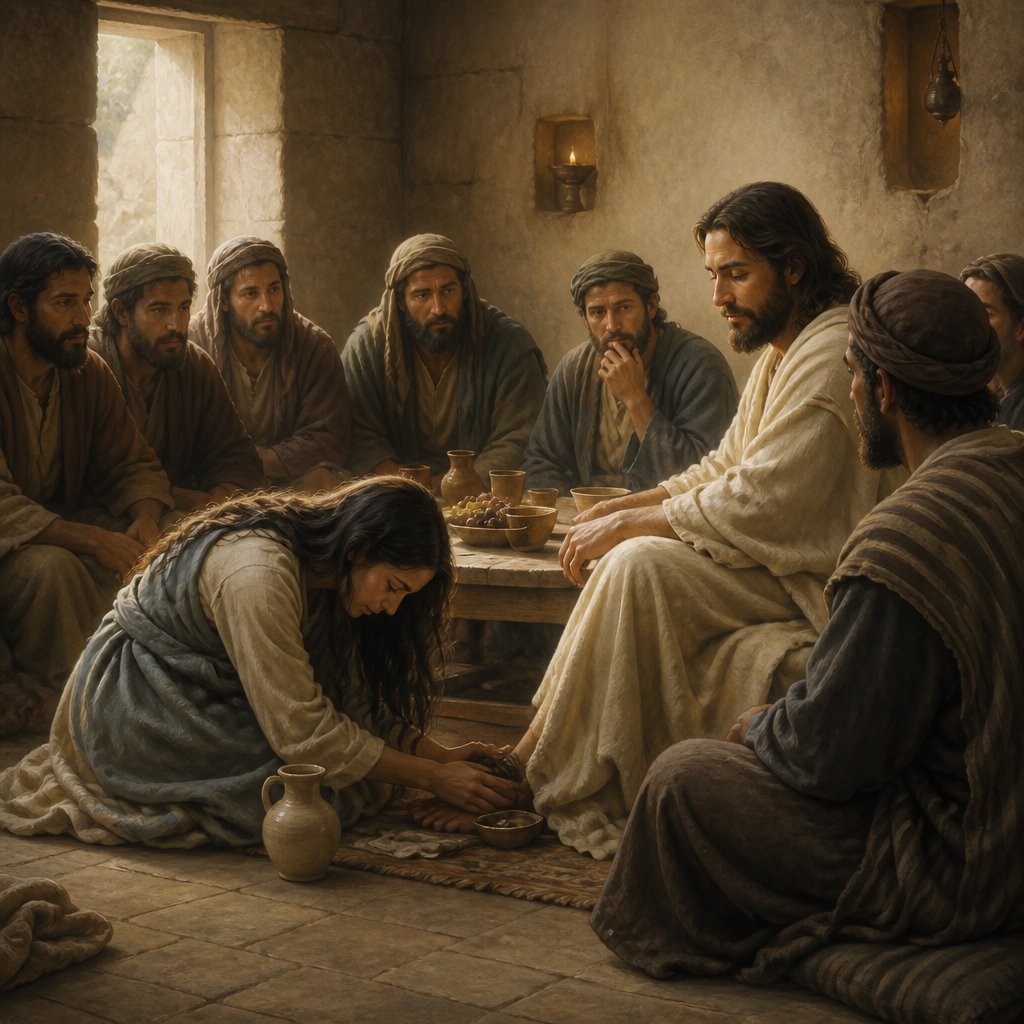
In the Gospel of Luke, we encounter a powerful moment when Jesus dines at the home of a Pharisee named Simon. During this meal, a woman known as a sinner approaches Jesus, weeping and washing His feet with her tears. She anoints Jesus' feet with precious ointment, an act of profound humility and contrition. As the Pharisee observes this intimate display of devotion, a question stirs within the hearts of those present: "Who is this that forgiveth sins also?" (Luke 7:49, KJV).
To fully appreciate the weight of this question, we must understand the context in which it was asked. The Pharisees were deeply rooted in the Law and adhered strictly to its commandments. They defined righteousness by outward appearances and adherence to ceremonial cleanings and regulations. The concept of sin was heavy—a burden they could scarcely fathom. In their minds, only God had the authority to forgive sins. And here was Jesus, a man they viewed as a mere prophet—or, in their criticism, a sinner—declaring the forgiveness of this woman’s sins before all gathered.
In answering this challenge, Jesus not only affirms His power to forgive but also implicitly reveals His divine nature. He understood the thoughts of the Pharisees and directly addressed their inner doubts. He told a parable about two debtors, one owing a large sum and the other a smaller sum, illustrating the differing levels of gratitude based on the forgiveness received. He asked Simon who would love the creditor more. Simon wisely answered, the one who was forgiven the larger debt. Jesus then linked this parable to the actions of the sinful woman: "Wherefore I say unto thee, Her sins, which are many, are forgiven; for she loved much: but to whom little is forgiven, the same loveth little" (Luke 7:47, KJV).
This moment holds profound implications for us, as well—especially as we navigate our own journeys of faith and forgiveness. First, we are reminded that no sin is beyond the scope of His forgiveness. This woman, identified only by her sin, encountered the Savior and was transformed through faith and love. Jesus desires that we approach Him with open hearts, ready to receive His grace. The act of choosing to believe in the forgiveness He offers empowers us to break free from the chains of guilt and shame.
Secondly, the question raised by the Pharisees reveals a deeper spiritual principle about discernment. We may sometimes find ourselves in positions similar to Simon, judging others by their past while struggling with our own shortcomings. Instead of asking, "Who is this?" we should approach Jesus with the understanding of who we are—a mixture of sinner and saint, constantly in need of His grace. The realization that Christ can forgive even the gravest of sins should stir our hearts to compassion rather than condemnation.
Finally, we see that forgiveness is intrinsically linked to love. The woman’s actions were not mere rituals but authentic expressions of her love for Jesus. Love that recognizes its need for mercy naturally spills over into gratitude and worship. As recipients of such grace, our lives should reflect that same posture. In our interactions, are we willing to forgive others as we have been forgiven? Is our love for Christ evident in how we extend grace to those around us?
May we linger on the question posed in Luke 7:49 and allow it to penetrate our hearts. As we contemplate the authority of Jesus to forgive sins, let us respond with awe at His mercy and strive to embody that same forgiveness in our lives, recognizing that we, too, are in desperate need of His grace.
Get our apps


Artwork for Luke 7:49

Luke 7:49 - "And they that sat at meat with him began to say within themselves, Who is this that forgiveth sins also?"

"And they that sat at meat with him began to say within themselves, Who is this that forgiveth sins also?" - Luke 7:49

Luke 12: 49

Isaiah 49 1-7

Luke 12:49 - "¶ I am come to send fire on the earth; and what will I, if it be already kindled?"

Luke 1:49 - "For he that is mighty hath done to me great things; and holy is his name."

John 7:49 - "But this people who knoweth not the law are cursed."

Nehemiah 7:49 - "The children of Hanan, the children of Giddel, the children of Gahar,"

Luke 23:49 - "And all his acquaintance, and the women that followed him from Galilee, stood afar off, beholding these things."

Luke 11:49 - "Therefore also said the wisdom of God, I will send them prophets and apostles, and some of them they shall slay and persecute:"

Luke 2:49 - "And he said unto them, How is it that ye sought me? wist ye not that I must be about my Father's business?"

Luke 22:49 - "When they which were about him saw what would follow, they said unto him, Lord, shall we smite with the sword?"

Luke 8:49 - "¶ While he yet spake, there cometh one from the ruler of the synagogue's house, saying to him, Thy daughter is dead; trouble not the Master."

"But this people who knoweth not the law are cursed." - John 7:49

Luke 24:49 - "¶ And, behold, I send the promise of my Father upon you: but tarry ye in the city of Jerusalem, until ye be endued with power from on high."

Genesis 49:7 - "Cursed be their anger, for it was fierce; and their wrath, for it was cruel: I will divide them in Jacob, and scatter them in Israel."

Luke 9:49 - "¶ And John answered and said, Master, we saw one casting out devils in thy name; and we forbad him, because he followeth not with us."

Psalms 49:7 - "None of them can by any means redeem his brother, nor give to God a ransom for him:"

"The children of Hanan, the children of Giddel, the children of Gahar," - Nehemiah 7:49

1 Kings 7:49 - "And the candlesticks of pure gold, five on the right side, and five on the left, before the oracle, with the flowers, and the lamps, and the tongs of gold,"

Jeremiah 49:7 - "¶ Concerning Edom, thus saith the LORD of hosts; Is wisdom no more in Teman? is counsel perished from the prudent? is their wisdom vanished?"

Luke 6:49 - "But he that heareth, and doeth not, is like a man that without a foundation built an house upon the earth; against which the stream did beat vehemently, and immediately it fell; and the ruin of that house was great."

"For he that is mighty hath done to me great things; and holy is his name." - Luke 1:49

"¶ I am come to send fire on the earth; and what will I, if it be already kindled?" - Luke 12:49

Acts 7:49 - "Heaven is my throne, and earth is my footstool: what house will ye build me? saith the Lord: or what is the place of my rest?"
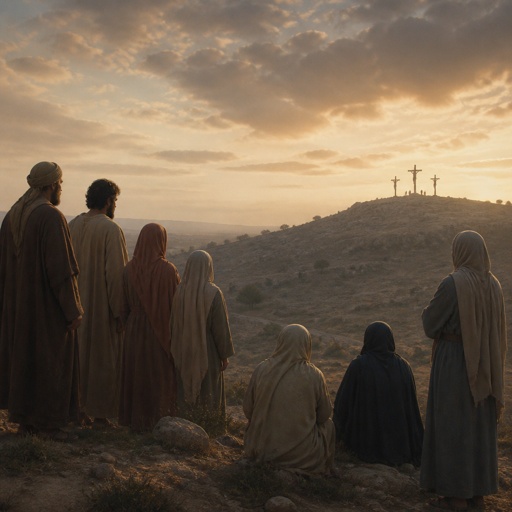
"And all his acquaintance, and the women that followed him from Galilee, stood afar off, beholding these things." - Luke 23:49

Luke 7:33

Luke 7:50

Luke 7:50

Luke 23:48-49 - "And all the crowds that had assembled for this spectacle, when they saw what had taken place, returned home beating their breasts. And all His acquaintances and the women who had followed Him from Galilee stood at a distance watching these things."