Cultivating the Good Soil of Our Hearts
“But that on the good ground are they, which in an honest and good heart, having heard the word, keep it, and bring forth fruit with patience.” — Luke 8:15
In the Gospel of Luke, Jesus holds a mirror to the human condition through the parable of the sower. In Luke 8:15, He declares, "But that on the good ground are they, which in an honest and good heart, having heard the word, keep it, and bring forth fruit with patience." This passage is rich with meaning, providing us insight into not only how we receive the Word of God but also how we are called to respond and cultivate our hearts in light of it.
To understand the significance of being ‘good ground,’ we must first reflect on the qualities of the soil. Soil is not just passive dirt; it is alive, filled with potential. However, the condition of the soil makes all the difference in its ability to produce a healthy crop. In this context, the ‘good ground’ refers to a heart that is open, receptive, and responsive to the teachings of Jesus. It suggests a readiness to absorb spiritual truths and allow them to take root, grow, and yield fruit.
But what makes this ground ‘good’? According to the verse, it is characterized by an “honest and good heart.” Honesty involves transparency and integrity; it requires us to examine ourselves openly, confronting our sins and flaws rather than hiding from them. A good heart seeks purity of intention and is eager to align with God's will. It necessitates a willingness to change and to allow God’s Word to transform our thinking and actions.
When we hear the Word of God, we face a choice: to take it to heart or to allow our distraction, doubt, or indifference to prevent it from taking root. The good soil represents those who actively decide to 'keep' what they have heard. This is indicative of commitment. It means cherishing the Word, storing it in our hearts, and allowing it to shape our lives.
The phrase “bring forth fruit with patience” is particularly striking. In our culture, we are often accustomed to instant results and quick fixes. However, the process of spiritual fruit-bearing is a more gradual undertaking. Patience is a vital part of the spiritual journey. Good fruit emerges through a process of growth that requires time, nurture, and care. It’s a reminder that God’s timing is not our own, and we must trust in Him as we wait for the fruits of our labors to manifest.
As we sit in meditation on this verse, we may ask ourselves: What kind of soil is in my heart? Are there thorns of doubt or rocks of distraction preventing the Word from bearing fruit? How can I cultivate a heart that is honest and good?
One practical step we can take is to engage in self-reflection and prayer, asking the Holy Spirit to show us areas in our lives where we may be resistant to His Word. In this act of surrender, we allow God to work within us, transforming our hearts and minds, and enabling us to become the good ground He desires us to be.
Additionally, we ought to nurture our connection to God’s Word through consistent study and meditation. Scripture is living and powerful; it challenges, comforts, and continually shapes us. As we actively immerse ourselves in it, we promote the growth of a good heart.
Let us approach each day, therefore, with the intent to cultivate our hearts to be good ground, allowing God’s Word to flourish within us. May we bear fruit not just for ourselves but for others, emanating His love and grace in all we do. Reflect on the promise of Luke 8:15—may our lives echo a testimony of how good soil will always yield a harvest, as we await fruitfulness in His perfect time.
Get our apps


Artwork for Luke 8:15

Luke 8:15 - "But that on the good ground are they, which in an honest and good heart, having heard the word, keep it, and bring forth fruit with patience."

"But that on the good ground are they, which in an honest and good heart, having heard the word, keep it, and bring forth fruit with patience." - Luke 8:15

Luke 15:8 - "¶ Either what woman having ten pieces of silver, if she lose one piece, doth not light a candle, and sweep the house, and seek diligently till she find it?"

Luke 8:5-8
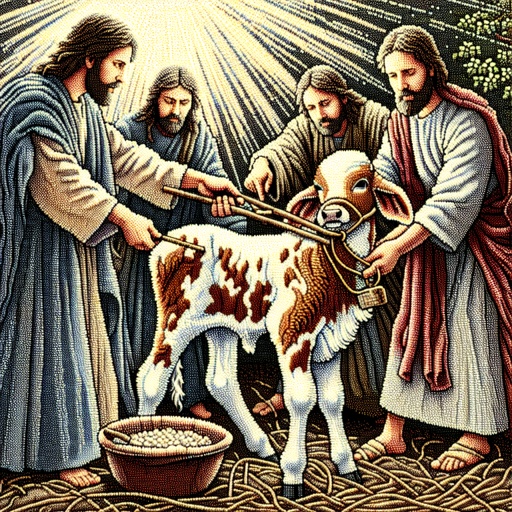
Luke 15:23

Luke 15:10

Luke 15:21

Luke 15:21

Luke 15: 4-7

Luke 11:14-15

Luke 21:15-19

Luke 8:16

Luke 15:11-32

Luke 8:11

Luke 8:17

Luke 8:13

Luke 8:13

Luke 8:13

Luke 15:15 - "And he went and joined himself to a citizen of that country; and he sent him into his fields to feed swine."

Luke 24:8 - "And they remembered his words,"

Luke 2 v 8

Luke 8:4-18

Luke 4:15 - "And he taught in their synagogues, being glorified of all."

Luke 15:3 - "¶ And he spake this parable unto them, saying,"

Luke 15:11 - "¶ And he said, A certain man had two sons:"

Luke 9:15 - "And they did so, and made them all sit down."

Luke 8:11 - "Now the parable is this: The seed is the word of God."

Luke 6:15 - "Matthew and Thomas, James the son of Alphaeus, and Simon called Zelotes,"

Genesis 15:8

Luke 15:26 - "And he called one of the servants, and asked what these things meant."