What does Luke 8:15 mean?
“But that on the good ground are they, which in an honest and good heart, having heard the word, keep it, and bring forth fruit with patience.” — Luke 8:15
The Bible verse Luke 8:15 reads in the King James Version (KJV):
"But that on the good ground are they, which in an honest and good heart, having heard the word, keep it, and bring forth fruit with patience."
This verse is part of a parable that Jesus told his disciples, known as the Parable of the Sower. In this parable, Jesus compares the word of God to seeds that are sown by a sower. The seeds fall on different types of ground, representing different responses to the word of God. The verse Luke 8:15 specifically speaks to the seeds that fell on good ground, indicating a positive and fulfilling response to the word of God.
In this verse, Jesus explains that the seeds that fell on good ground are those who have an honest and good heart and have heard the word of God. These individuals are able to keep the word and bring forth fruit with patience. Let's examine this verse in more detail to gain a deeper understanding of its meaning and significance.
One of the main themes in this verse is the importance of having an honest and good heart when receiving the word of God. The condition of our hearts plays a crucial role in how we respond to the word of God. An honest and good heart is open and receptive to the truth of God's word, and it is not hardened or resistant to its message. This theme emphasizes the need for humility, sincerity, and purity of heart when approaching the teachings of Jesus.
Another significant theme in this verse is the concept of bearing fruit. In the context of the Parable of the Sower, bearing fruit represents a fruitful and productive life that is characterized by the evidence of God's transformative work in a person's heart. When the word of God is received and kept in an honest and good heart, it produces a harvest of spiritual fruit in the individual's life. This fruit can manifest in the form of love, joy, peace, patience, kindness, goodness, faithfulness, gentleness, and self-control, as described in Galatians 5:22-23.
Furthermore, the verse underscores the importance of patience in the process of bearing fruit. It takes time and perseverance for the word of God to take root and grow in our hearts, and for its transformative power to be evident in our lives. This theme serves as a reminder that spiritual growth and maturity require patience, endurance, and steadfastness in the face of trials and challenges.
The context of this verse within the Parable of the Sower provides layers of symbolism and meaning. The sower symbolizes Jesus, who sows the word of God into the hearts of people. The seeds represent the word of God, which has the potential to bring about transformation and growth in those who receive it. The different types of ground represent the various responses to the word of God, ranging from shallow and unfruitful to deep and productive.
The good ground symbolizes an individual whose heart is receptive and responsive to the word of God, and who produces a bountiful harvest of spiritual fruit as a result. This symbolism reinforces the message that the condition of our hearts determines the extent to which the word of God can take root and bring about meaningful change in our lives.
In conclusion, Luke 8:15 conveys a profound message about the transformative power of the word of God when received in an honest and good heart. It emphasizes the importance of humility, receptivity, patience, and perseverance in the process of spiritual growth and fruitfulness. This verse serves as a timeless reminder of the fundamental principles of Christian discipleship and the qualities of heart that are necessary for a fruitful and fulfilling life in Christ.
Get our apps


Artwork for Luke 8:15

Luke 8:15 - "But that on the good ground are they, which in an honest and good heart, having heard the word, keep it, and bring forth fruit with patience."

"But that on the good ground are they, which in an honest and good heart, having heard the word, keep it, and bring forth fruit with patience." - Luke 8:15

Luke 15:8 - "¶ Either what woman having ten pieces of silver, if she lose one piece, doth not light a candle, and sweep the house, and seek diligently till she find it?"

Luke 8:5-8
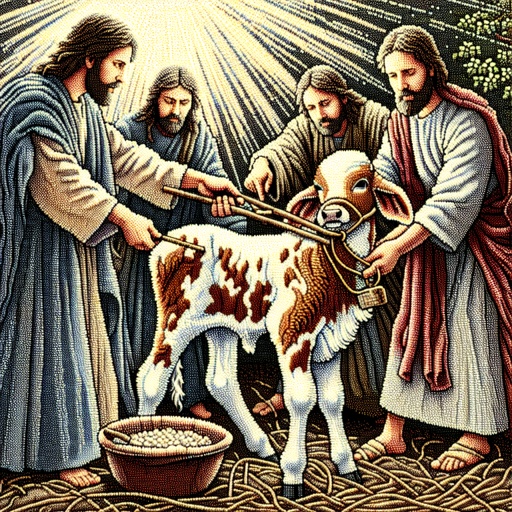
Luke 15:23

Luke 15:10

Luke 15:21

Luke 15:21

Luke 15: 4-7

Luke 11:14-15

Luke 21:15-19

Luke 8:16

Luke 15:11-32

Luke 8:11

Luke 8:17

Luke 8:13

Luke 8:13

Luke 8:13

Luke 15:15 - "And he went and joined himself to a citizen of that country; and he sent him into his fields to feed swine."

Luke 24:8 - "And they remembered his words,"

Luke 2 v 8

Luke 8:4-18

Luke 4:15 - "And he taught in their synagogues, being glorified of all."

Luke 15:3 - "¶ And he spake this parable unto them, saying,"

Luke 15:11 - "¶ And he said, A certain man had two sons:"

Luke 9:15 - "And they did so, and made them all sit down."

Luke 8:11 - "Now the parable is this: The seed is the word of God."

Luke 6:15 - "Matthew and Thomas, James the son of Alphaeus, and Simon called Zelotes,"

Genesis 15:8

Luke 15:26 - "And he called one of the servants, and asked what these things meant."