The Weight of Divine Sovereignty: Understanding God’s Love and Justice in Malachi 1:3
“And I hated Esau, and laid his mountains and his heritage waste for the dragons of the wilderness.” — Malachi 1:3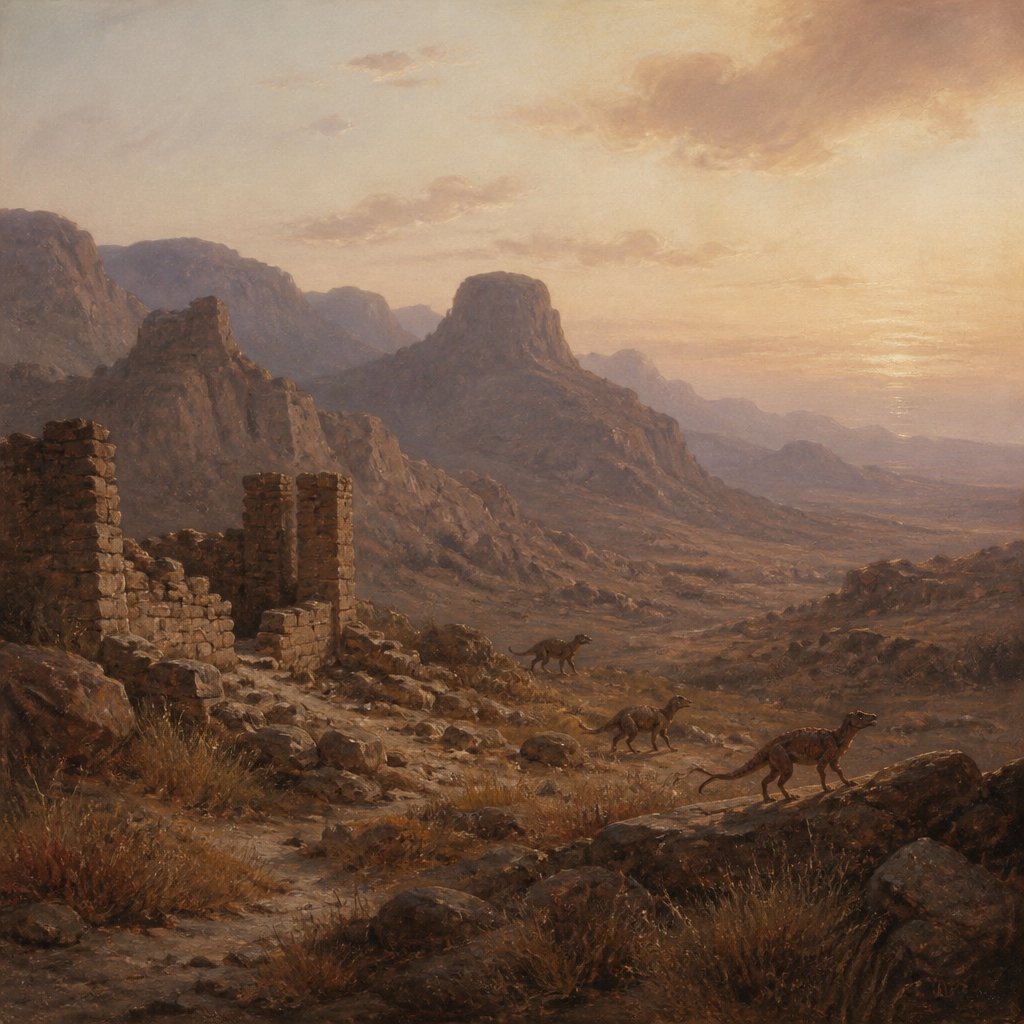
As we delve into the profound complexity of God’s word, we encounter Malachi 1:3, a verse that delivers a stark revelation about His sovereign will: "And I hated Esau, and laid his mountains and his heritage waste for the dragons of the wilderness." This verse, though seemingly harsh, is not merely a statement of emotional disposition; it invites us into a deeper understanding of God's sovereign choices and His ultimate purposes in creation.
At first glance, the phrase "I hated Esau" may evoke immediate discomfort or confusion. After all, how can a God who is love declare hatred towards anyone? To grasp this tension, we must consider the context of Malachi's message. The prophet writes to a people recently returned from exile, grappling with their identity and the implications of God's covenant love. In this setting, God, through Malachi, contrasts His covenant relationship with Jacob and His rejection of Esau as a means of demonstrating His sovereign authority over nations and destinies.
Esau, the elder son of Isaac, represents not just a man but a lineage—the Edomites. In stark contrast to Jacob, who was chosen to carry the line of promise, Esau's choices led him away from the blessings of God. The hatred mentioned in this verse does not stem from a whimsical or emotional outburst but represents God's decision to set apart a people for Himself. Romans 9:13 echoes this sentiment: "As it is written, Jacob have I loved, but Esau have I hated." This juxtaposition of love and hate is a strong metaphor for favor and disfavor; it reflects the gravity of divine choice in how God interacts with humanity.
As we ponder this harsh word, we must also recognize that it speaks to God's justice. The consequences of Esau's rebellion against God and His ways resulted in the desolation of his lands: "...and laid his mountains and his heritage waste for the dragons of the wilderness." Here we see the wasteland that was once proud and prosperous—a stark reminder of what occurs when we turn from God's intended paths. God's justice, seen in the judgment of Edom, provides us a warning: divine displeasure and the resulting desolation of one's heritage are real outcomes of rejecting God’s guidance.
Yet, even as we confront the starkness of this verse, we must also remember God's deeply rooted love for humanity. The reality of God’s election does not negate His love for all; instead, it amplifies our understanding of grace and mercy. While Esau’s lineage was set for judgment, God's purpose through Israel, as underlined in the covenant, brings about the ultimate story of redemption. In contrast to the wasteland of Edom, we see a call to restoration through Israel, culminating in the New Covenant established through Christ.
This verse serves as a profound reminder: God is sovereign, and His choices are often beyond our human understanding. His actions are rooted in justice, yet they also reflect a profound grace that invites us toward repentance. It is essential for us today to examine our own hearts and the heritages we build. Are we, like Esau, neglecting the divine calling on our lives? Are we prioritizing our own desires over God's purposes?
In response to God’s sovereignty, let us cultivate a heart that honors His will—a heart that chooses to embrace His love, recognizing the great privilege it is to be chosen and the responsibility that entails. May we not follow the path of waste but rather seek the abundant life that flows from aligning ourselves with God's ways. As we navigate our own journeys, let the story of Jacob and Esau remind us that the truest blessing resides in our relationship with God, who desires to lead us through the valleys and mountaintops of life.
Get our apps


Artwork for Malachi 1:3

Malachi 1:3 - "And I hated Esau, and laid his mountains and his heritage waste for the dragons of the wilderness."
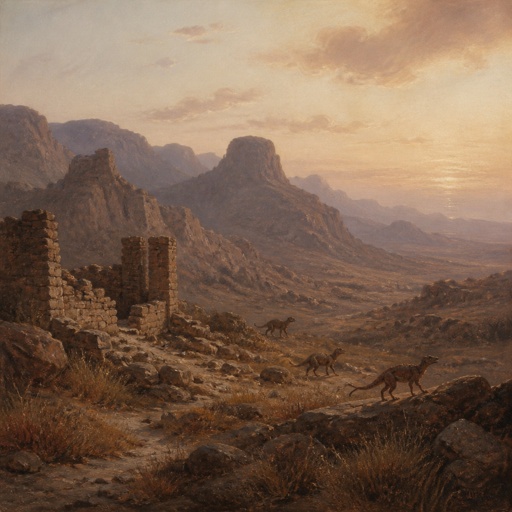
"And I hated Esau, and laid his mountains and his heritage waste for the dragons of the wilderness." - Malachi 1:3

Malachi 1:1 - "The burden of the word of the LORD to Israel by Malachi."

"The burden of the word of the LORD to Israel by Malachi." - Malachi 1:1

Malachi 4:1-2a

Malachi 4:1-2a

Malachi 3:4 - "Then shall the offering of Judah and Jerusalem be pleasant unto the LORD, as in the days of old, and as in former years."

Malachi 3:6 - "For I am the LORD, I change not; therefore ye sons of Jacob are not consumed."

Malachi 3:9 - "Ye are cursed with a curse: for ye have robbed me, even this whole nation."

Malachi 3:12 - "And all nations shall call you blessed: for ye shall be a delightsome land, saith the LORD of hosts."

The Last Prophet of the Old Testament Malachi

Malachi 3:3 - "And he shall sit as a refiner and purifier of silver: and he shall purify the sons of Levi, and purge them as gold and silver, that they may offer unto the LORD an offering in righteousness."

Malachi 3:18 - "Then shall ye return, and discern between the righteous and the wicked, between him that serveth God and him that serveth him not."

Malachi 2:1 - "And now, O ye priests, this commandment is for you."

Malachi 3:15 - "And now we call the proud happy; yea, they that work wickedness are set up; yea, they that tempt God are even delivered."

Malachi 3:1 - "Behold, I will send my messenger, and he shall prepare the way before me: and the Lord, whom ye seek, shall suddenly come to his temple, even the messenger of the covenant, whom ye delight in: behold, he shall come, saith the LORD of hosts."

Malachi 3:8 - "¶ Will a man rob God? Yet ye have robbed me. But ye say, Wherein have we robbed thee? In tithes and offerings."

Malachi 4:3 - "And ye shall tread down the wicked; for they shall be ashes under the soles of your feet in the day that I shall do this, saith the LORD of hosts."

Malachi 3:2 - "But who may abide the day of his coming? and who shall stand when he appeareth? for he is like a refiner's fire, and like fullers' sope:"

Malachi 1:5 - "And your eyes shall see, and ye shall say, The LORD will be magnified from the border of Israel."

Malachi 2:3 - "Behold, I will corrupt your seed, and spread dung upon your faces, even the dung of your solemn feasts; and one shall take you away with it."

"Bring ye all the tithes into the storehouse, that there may be meat in mine house, and prove me now herewith, saith the LORD of hosts, if I will not open you the windows of heaven, and pour you out a blessing, that there shall not be room enough to receive it." - Malachi 3:10
!["Bring ye all the tithes into the storehouse, that there may be meat in mine house, and prove me now herewith, saith the LORD of hosts, if I will not open you the windows of heaven, and pour you out a blessing, that [there shall] not [be room] enough [to receive it]." - Malachi 3:10](https://media.bible.art/1e27a872-9f2f-4554-aa9f-4e2ef3765c6c-thumbnail.jpg)
"Bring ye all the tithes into the storehouse, that there may be meat in mine house, and prove me now herewith, saith the LORD of hosts, if I will not open you the windows of heaven, and pour you out a blessing, that [there shall] not [be room] enough [to receive it]." - Malachi 3:10

Malachi 3:13 - "¶ Your words have been stout against me, saith the LORD. Yet ye say, What have we spoken so much against thee?"

Malachi 3:14 - "Ye have said, It is vain to serve God: and what profit is it that we have kept his ordinance, and that we have walked mournfully before the LORD of hosts?"

"And now, O ye priests, this commandment is for you." - Malachi 2:1

Malachi 3:17 - "And they shall be mine, saith the LORD of hosts, in that day when I make up my jewels; and I will spare them, as a man spareth his own son that serveth him."
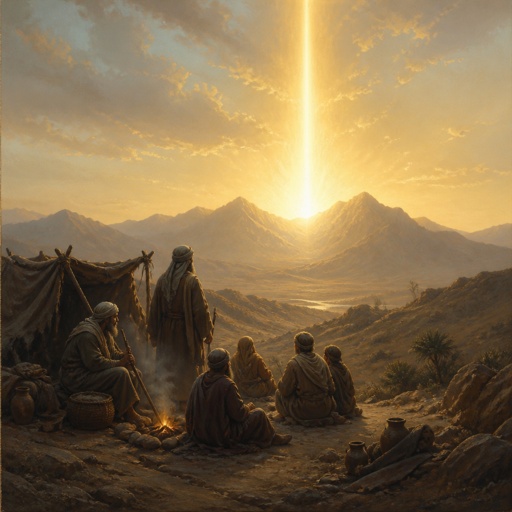
"For I am the LORD, I change not; therefore ye sons of Jacob are not consumed." - Malachi 3:6

Malachi 3:16 - "¶ Then they that feared the LORD spake often one to another: and the LORD hearkened, and heard it, and a book of remembrance was written before him for them that feared the LORD, and that thought upon his name."

Malachi 1:12 - "¶ But ye have profaned it, in that ye say, The table of the LORD is polluted; and the fruit thereof, even his meat, is contemptible."