The Cost of Rejection: Embracing Our Own Crucifixion
“And they caught him, and beat him, and sent him away empty.” — Mark 12:3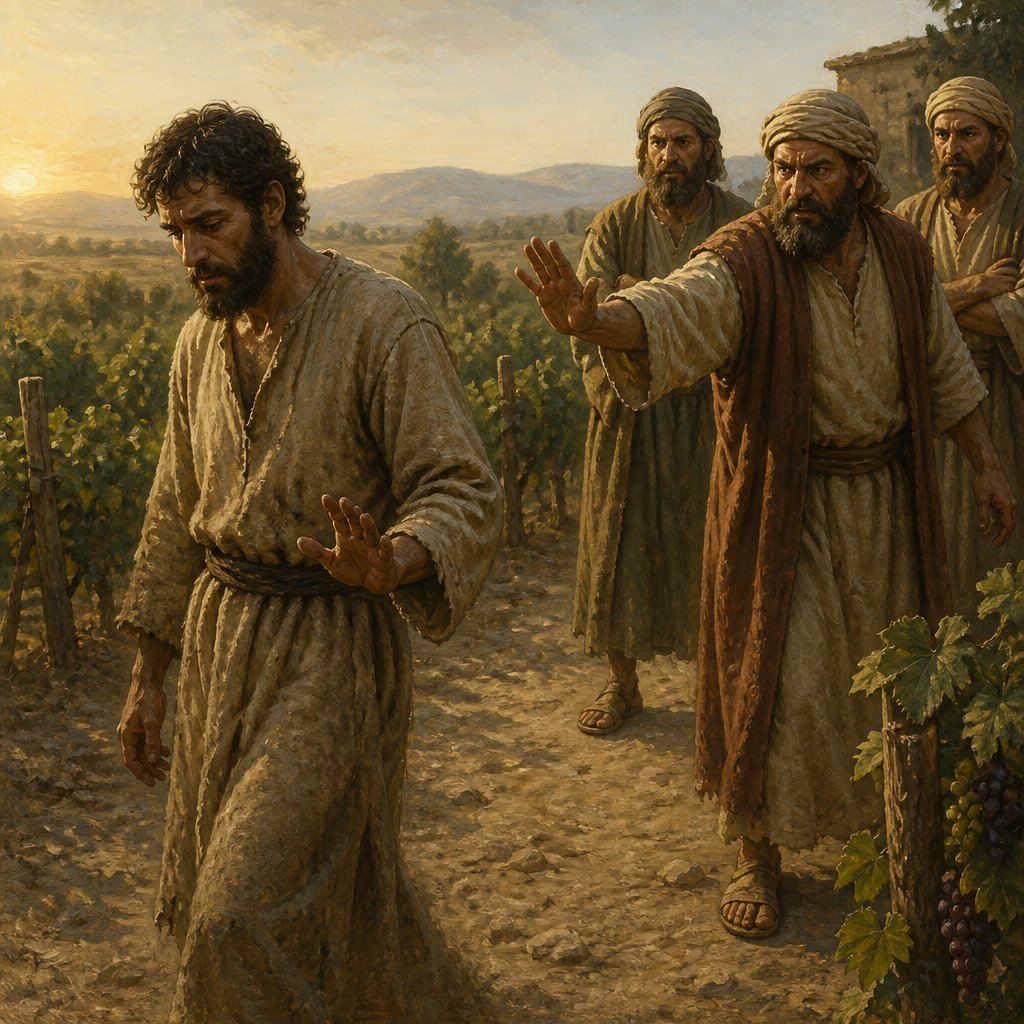
In the Gospel according to Mark, chapter 12, verse 3, we encounter a profound narrative that holds a mirror to the human condition: "And they caught him, and beat him, and sent him away empty." This passage comes amidst the parable of the wicked husbandmen where Jesus uses the image of tenants of a vineyard mistreating the servants and son of the owner as a vivid illustration of Israel's rejection of His messengers.
At first glance, this verse accomplishes more than telling us about rejection; it touches the very essence of suffering and longing for acceptance, which resonates across centuries into our lives today. As followers of Christ, we often find ourselves in similar situations—courageously stepping out in faith, only to face scorn, ridicule, or indifference. It invites us to ponder deeper: How do we respond when God’s call on our lives leads us into challenging, sometimes painful circumstances?
In the parable, the servants symbolize the prophets sent by God to His people. They are caught, beaten, and ultimately, sent away empty-handed, an illustration of rejection that many prophetic voices faced. Think of Jeremiah, Isaiah, or even Jesus Himself, who endured the pain of betrayal by those He came to save. Each of these individuals faced the choice to stay faithful in their calling despite the circumstances surrounding their existence. They understood that the vision for their lives was, in essence, about bringing glory to God, not about their comfort or societal acceptance.
Reflecting on the concept of being sent away "empty" provides a deeper understanding of the sacrifices involved in following Christ. Each of us implies that an empty response may not just signify a lack of impact; it can mean a divine preparation, a stripping away of the worldly comforts and expectations we cling to. When they sent the servant away empty, it echoed a truth we often forget: following Christ may lead us into a personal crucifixion — a moment where we lay down our desires, ambitions, and even our very lives.
As we delve deeper into this narrative, we must not overlook the profound resilience exemplified by the servants. They continued to step forward into the vineyard, knowing that opposition awaited them. This speaks volumes about commitment and love. They embodied a spirit of perseverance fueled by their passion for the Lord's work. Even when rejected, they remained steadfast. What can we learn from their example?
In Mark 12:3, we recognize that rejection does not define our worth. When God calls you to a task, to share a word of truth or to act in love, it is not the world's acceptance that weighs in on the fulfillment of that obedience. The servants went away empty, but their deeds did not go unheard in Heaven. Jesus's own life starkly emphasizes this as He set His face towards Jerusalem, fully aware of the suffering that awaited Him. Yet He remained resolute; bearing the weight of rejection so that we may never experience separation from the Father.
Therefore, let us embrace the empty moments in our lives as divine appointments. When we experience rejection for speaking the truth or living out our faith, we gain a unique kinship with Christ who knew rejection intimately. In suffering, we find intimacy with the Lord, capable of transforming our emptiness into vessels of His grace.
In closing, remember the essence of being "sent away empty" is not about the lack of what we gain in this world but the fulfillment we find in serving God amidst rejection. May our hearts forever pursue a deeper understanding of His love, holding onto the truth that our worth is not tied to others' acceptance of us. Instead, we are valued and sent with purpose, even if some may choose to send us away empty.
Get our apps


Artwork for Mark 12:3

Mark 12:3 - "And they caught him, and beat him, and sent him away empty."
"And they caught him, and beat him, and sent him away empty." - Mark 12:3

Mark 3:12 - "And he straitly charged them that they should not make him known."

Lamentations 3:12 - "He hath bent his bow, and set me as a mark for the arrow."
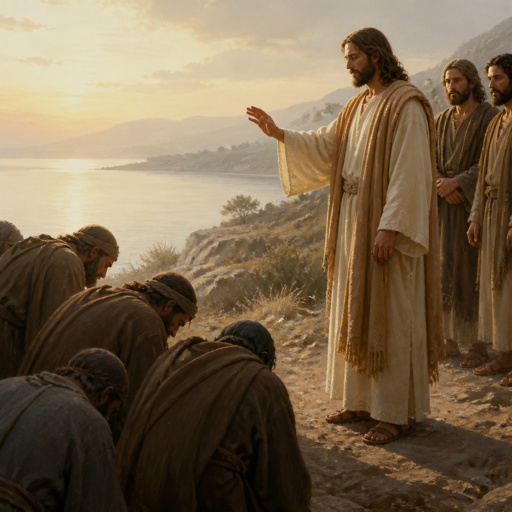
"And he straitly charged them that they should not make him known." - Mark 3:12
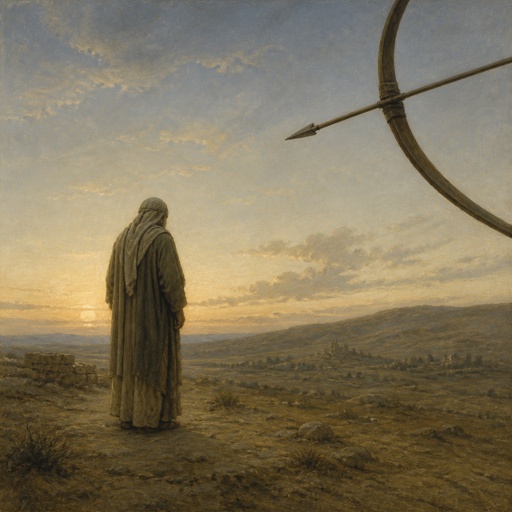
"He hath bent his bow, and set me as a mark for the arrow." - Lamentations 3:12

Mark 12:8

Mark 12:8

Mark 15:12

mark 2:1-12

Mark 12:41 - 44

Mark 12:41 - 44

Mark 12:41 - 44

Mark 2:1-12

Mark 12:41 - 44

Mark 12:41 - 44

Mark 12:11 - "This was the Lord's doing, and it is marvellous in our eyes?"

Mark 1:12 - "And immediately the Spirit driveth him into the wilderness."

Mark 3:3 - "And he saith unto the man which had the withered hand, Stand forth."

Mark 12:39 - "And the chief seats in the synagogues, and the uppermost rooms at feasts:"
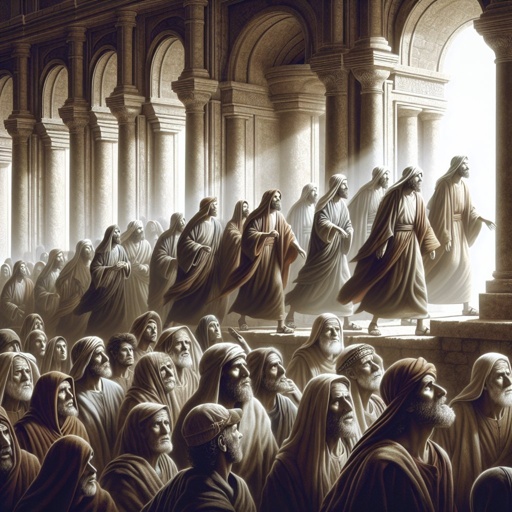
Mark 6:12 - "And they went out, and preached that men should repent."

Mark 3:31-34

Mark 3:16 - "And Simon he surnamed Peter;"

Acts 12:12 - "And when he had considered the thing, he came to the house of Mary the mother of John, whose surname was Mark; where many were gathered together praying."

Mark 12:12 - "And they sought to lay hold on him, but feared the people: for they knew that he had spoken the parable against them: and they left him, and went their way."

Mark 11:12 - "¶ And on the morrow, when they were come from Bethany, he was hungry:"

Mark 12:8 - "And they took him, and killed him, and cast him out of the vineyard."

Mark 4:3 - "Hearken; Behold, there went out a sower to sow:"

Mark 3:30 - "Because they said, He hath an unclean spirit."

Mark 12:18 - "¶ Then come unto him the Sadducees, which say there is no resurrection; and they asked him, saying,"