The Authority of Forgiveness: Understanding Blasphemy and Redemption
“Why doth this man thus speak blasphemies? who can forgive sins but God only?” — Mark 2:7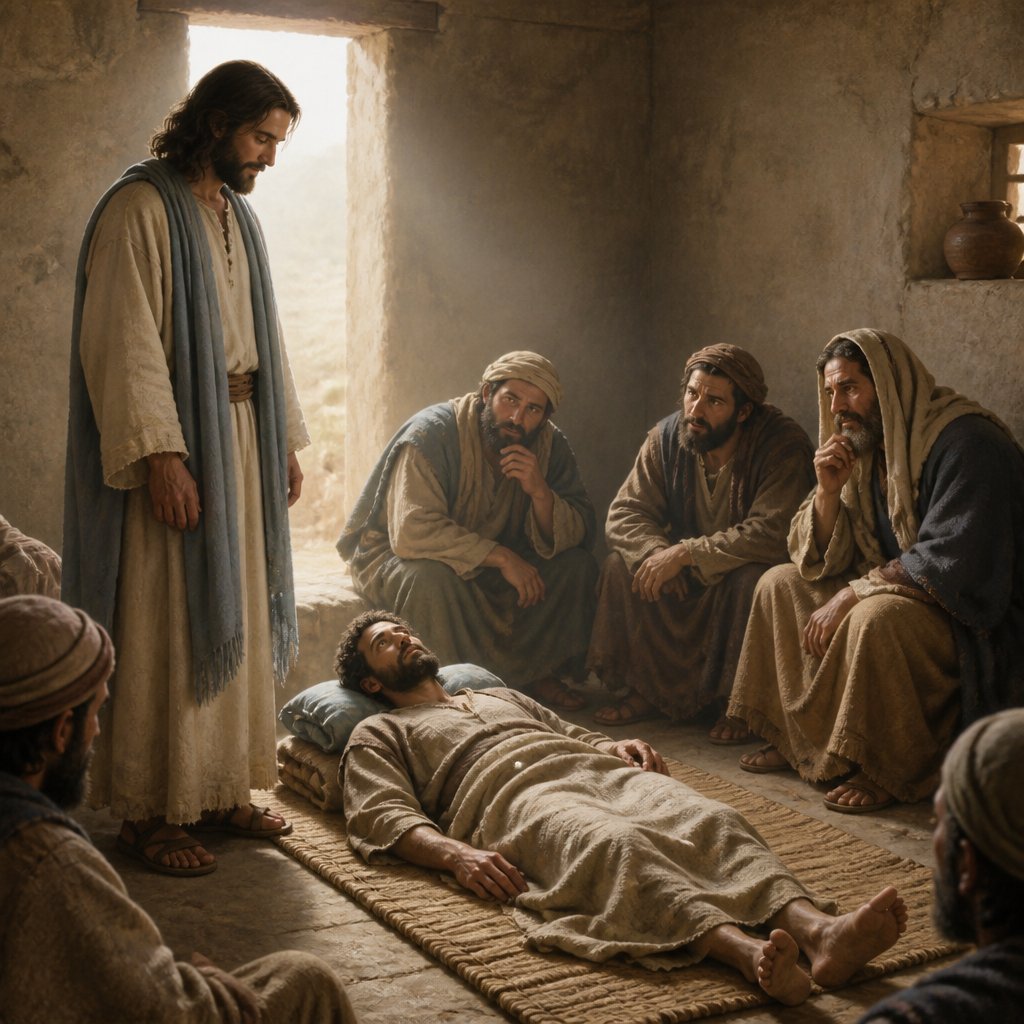
In Mark 2:7, we encounter a critical moment in the ministry of Jesus, as the scribes bring forth their accustations: "Why doth this man thus speak blasphemies? who can forgive sins but God only?" These words are not merely a challenge to Jesus' authority but also offer profound insights into the nature of sin and forgiveness, illuminating a central theme in the Christian faith.
The context of this statement is vital for understanding its depths. Jesus had just healed a paralytic who was lowered through the roof by his friends. Before physical healing, Jesus addresses the man's deeper need—his spiritual condition—by saying, "Son, thy sins be forgiven thee" (Mark 2:5 KJV). This declaration of forgiveness triggered the scribes’ indignation; they understood that only God had the right to forgive sins.
Herein lies the crux of their accusation: they perceived Jesus’ words as blasphemy. Blasphemy, in the cultural and religious framework of Judaism, involved speaking irreverently about God or claiming attributes of divinity reserved solely for Him. The scribes recognized the monumental implications of Jesus’ claim. They knew that to forgive sins was to assume the very authority of God Himself—an audacious assertion that even the most devout among them would never dare to make. In their eyes, Jesus was elevating Himself to a status that no mortal could claim, thus challenging the foundational truths of their faith.
However, we must ponder the irony in the scribes’ reaction. In their fervent adherence to the Law, they missed the profound essence of what Jesus was revealing: that God’s character is one of mercy and grace. The prophets had long foretold a day of redemption, of the coming One who would not only heal the sick but also forgive sins. In this moment, Jesus is not merely proclaiming forgiveness; He embodies it. He shows us that God’s love reaches beyond societal norms and human expectations.
When asked, "Who can forgive sins but God only?" the scribes put forth an important principle; yet, they failed to recognize that Jesus, being fully God and fully man, had the divine authority to do just that. Colossians 2:9 states, "For in him dwelleth all the fullness of the Godhead bodily" (KJV). The duality of Christ—that He is both the source of forgiveness and the embodiment of God's authority—is foundational to our faith. He silences the accusers not just through healing but by demonstrating that He is, indeed, the Son of God imbued with divine power.
As we reflect on this passage, we are invited into a deeper understanding of our own need for forgiveness. It’s easy to spot sin outside ourselves and be critical of others, much like the scribes; however, the truth is that we all stand in need of God’s grace. In acknowledging our sins, we uncover the gospel's transformative power that invites us into authentic relationship with our Creator. It is only through Christ that we can find forgiveness, healing, and restoration.
Moreover, this verse challenges us to consider how we perceive others who claim to offer forgiveness or, more importantly, how we ourselves extend forgiveness. Are we quick to judge and condemn those who may seem blasphemous in their proclamations of God’s mercy? Do we allow our preconceived notions of who deserves forgiveness hinder our ability to love? Christ’s authority over sin is a reminder that His mercy is not confined to our understanding.
In conclusion, as we meditate on Mark 2:7, let us cast aside the pride of the scribes and embrace the grace offered by our Lord. Let us remember that while no one else can forgive sins but God alone, through Christ, we have access to that forgiveness. May we approach the throne of grace with confidence, knowing our sins—though many—are washed away by His blood, and may we leave this space ready to forgive others, just as we have been forgiven. In doing so, we reflect the very heart of Jesus, who represents God’s radical forgiveness and boundless love.
Get our apps


Artwork for Mark 2:7
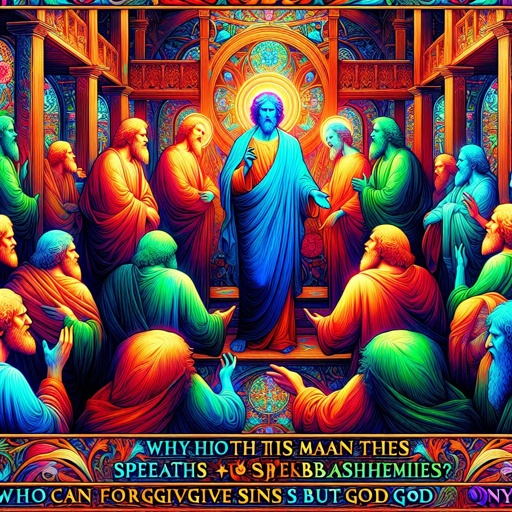
Mark 2:7 - "Why doth this man thus speak blasphemies? who can forgive sins but God only?"
"Why doth this man thus speak blasphemies? who can forgive sins but God only?" - Mark 2:7

Mark 7:2 - "And when they saw some of his disciples eat bread with defiled, that is to say, with unwashen, hands, they found fault."

Mark 13:7

Mark 13:7

Mark 8:7

Mark 13:7

Mark 7:7 - "Howbeit in vain do they worship me, teaching for doctrines the commandments of men."

Mark 7:31-37

Mark 7:31-37

Mark 2:2

Mark 7:7 (KJVA) 7 Howbeit in vain do they worship me, teaching for doctrines the commandments of men.

Mark 7:7 (KJVA) 7 Howbeit in vain do they worship me, teaching for doctrines the commandments of men.

Mark 7:7 (KJVA) 7 Howbeit in vain do they worship me, teaching for doctrines the commandments of men.

Mark 7:7 (KJVA) 7 Howbeit in vain do they worship me, teaching for doctrines the commandments of men.
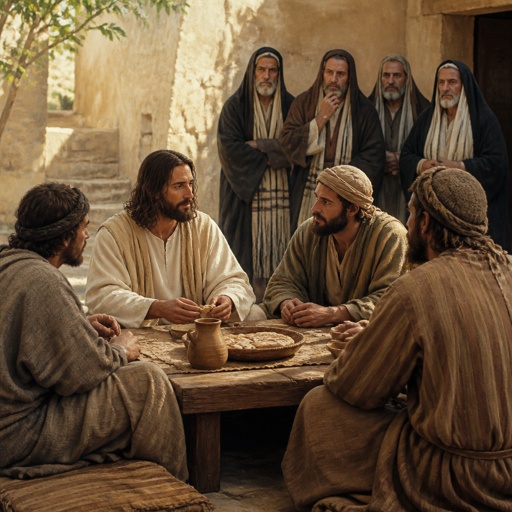
"And when they saw some of his disciples eat bread with defiled, that is to say, with unwashen, hands, they found fault." - Mark 7:2

Mark 7:7 (KJVA) 7 Howbeit in vain do they worship me, teaching for doctrines the commandments of men.

Mark 7:7 (KJVA) 7 Howbeit in vain do they worship me, teaching for doctrines the commandments of men.

Mark 7:7 (KJVA) 7 Howbeit in vain do they worship me, teaching for doctrines the commandments of men.

Mark 7:16 - "If any man have ears to hear, let him hear."

Mark 7:20 - "And he said, That which cometh out of the man, that defileth the man."

Mark 2

Mark 2

Mark 7:23 - "All these evil things come from within, and defile the man."

Mark 9:2 Show only 4 people Show a mountain area According to Mark 9:2

Mark 7:7 Howbeit in vain do they worship me, teaching for doctrines the commandments of men.

Mark 7:34 - "And looking up to heaven, he sighed, and saith unto him, Ephphatha, that is, Be opened."

Mark 4:7 - "And some fell among thorns, and the thorns grew up, and choked it, and it yielded no fruit."

Mark 10:7 - "For this cause shall a man leave his father and mother, and cleave to his wife;"

mark 2:4