The Authority of Christ Over Unclean Spirits
“For he said unto him, Come out of the man, thou unclean spirit.” — Mark 5:8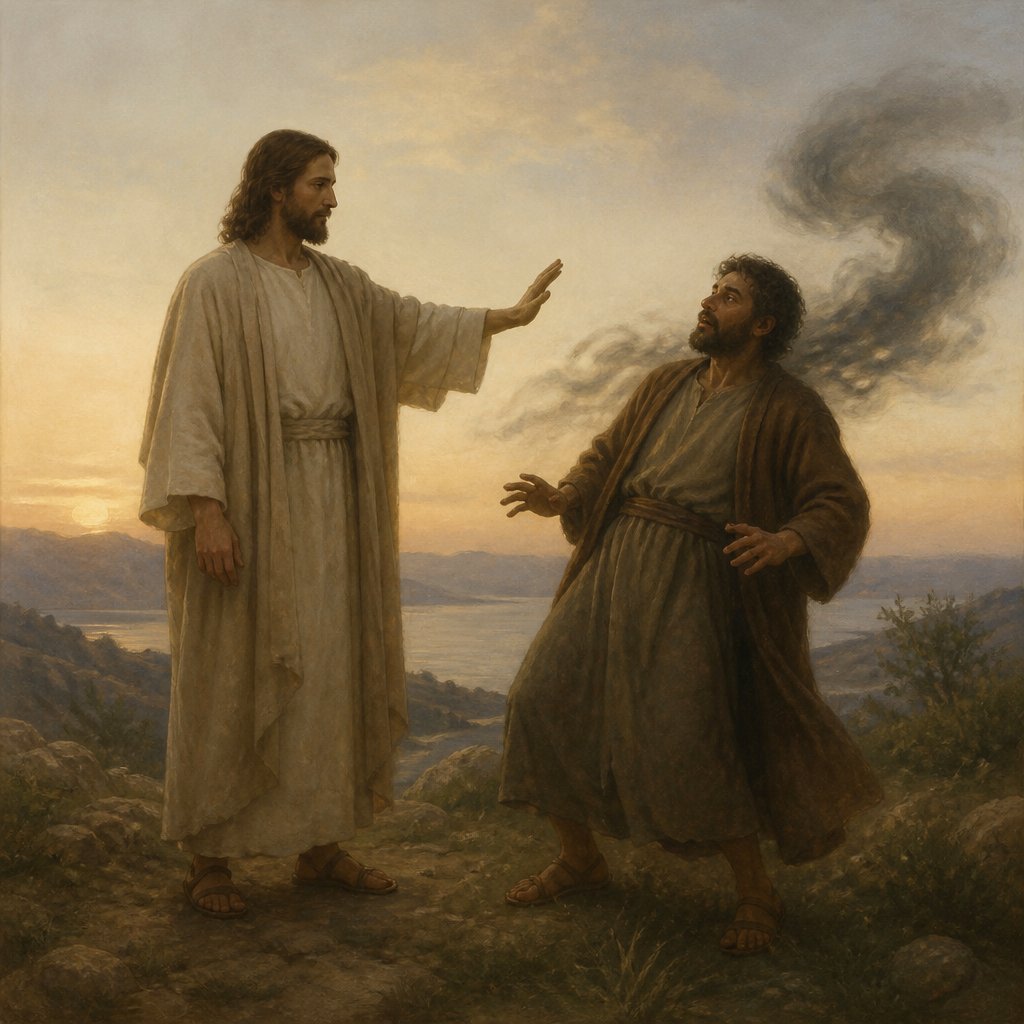
In the profound narrative of Mark 5:8, we encounter a moment of divine authority, a confrontation between Jesus and the forces that torment humanity. The verse states, "For he said unto him, Come out of the man, thou unclean spirit." This single command encapsulates the essence of Christ’s mission on Earth: to liberate the oppressed, restore the broken, and reclaim the lost.
Jesus was not merely demonstrating power; He was revealing His nature as the liberator, the One who has authority over all unclean spirits. The context of this proclamation deeply resonates with our daily experiences. The man from whom the unclean spirit was cast out had been living in torment, among the tombs, where he cut himself with stones (Mark 5:5). His life was one of pain, dereliction, and despair. How many of us can relate to feeling trapped in our own tombs of despair, battling personal demons that lead us away from the fullness of life intended for us?
The unclean spirit, in biblical context, often represents anything that defiles us, an entity that separates us from God’s presence. Today, we may not be confronted with literal unclean spirits, yet we face myriad challenges—sin, addiction, anxiety, and various forms of spiritual oppression. Like the man in the tombs, we can feel chained by these forces, unable to break free. Yet, the message of Mark 5:8 is a promise of hope. It assures us that Jesus speaks directly to those unclean spirits in our lives and commands them to leave.
When Jesus says, "Come out of the man," He is not just addressing the spirit, but He is also extending an invitation to the man to step into the light of freedom and restoration. Jesus sees beyond the exterior scars and the life of torment. He sees the potential of the man to live fully in the grace of God. This is immensely significant for all of us. No matter your past, no matter how deep your struggles may run, Christ desires to pull you out of the confinement of your own tombs. His voice calls not only to the spirits that oppress us, but also to our very hearts, inviting us to embrace a new identity as whole and free individuals in Christ.
Consider the position of the man who received this command. For a moment, he must have experienced a mix of emotions—confusion, fear, perhaps hope. Many of us may feel the same way when Jesus challenges us to confront our unclean spirits. We may cling to familiarity, even when that familiarity brings pain, because the prospect of change feels daunting. Yet, when we respond to Jesus’ call, surrendering our struggles to Him, we position ourselves to experience transformation.
In responding to the command of Christ, the man was not just freed from an unclean spirit; he was given a mission (Mark 5:19). After his healing, Jesus instructs him to go home, to tell others how much the Lord has done for him, and how He had mercy on him. This marks the transition from captivity to commission. The radical transformation that Christ brings in our lives is meant to be shared—to impact the world around us.
In our own journeys, we are invited to share our stories of redemption. Just as the healed man became a beacon of hope in Decapolis, you too have the ability to bear witness to the life-changing power of Jesus. In the face of despair, we can testify that there is a Savior who commands unclean spirits to depart, and who welcomes us into a life of purpose and grace.
As you meditate on Mark 5:8, remember the authority of Christ—a definitive command that offers freedom and restoration. Respond to His call today, allowing Him to guide you away from your tombs and into the fullness of life He promises. Embrace your new identity in Christ, and let His light shine through you so that others may see and be drawn to the hope that is found only in Him.
Get our apps


Artwork for Mark 5:8

Mark 5:8 - "For he said unto him, Come out of the man, thou unclean spirit."
"For he said unto him, Come out of the man, thou unclean spirit." - Mark 5:8

Mark 8:5 - "And he asked them, How many loaves have ye? And they said, Seven."
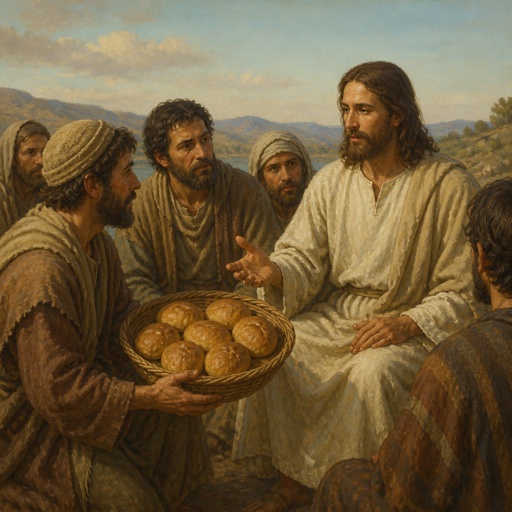
"And he asked them, How many loaves have ye? And they said, Seven." - Mark 8:5

Mark 8:35

Mark 8:35

Mark 12:8

Mark 13:8

Mark 13:8

Mark 8:35

Mark 13:8

Mark 8:7

Mark 8:35

Mark 12:8

Mark 2:8

Mark 2:5

Mark 8:27 - 35

Mark 8:27 - 35

Mark 16:6-8

Mark 8:27 - 35

Mark 8:27 - 35

Mark 16:6-8

Mark 16:6-8

Mark 8:27 - 35

Mark 16:4-5

Mark 16:4-5

Mark 16:4-5

Mark 8:8 - "So they did eat, and were filled: and they took up of the broken meat that was left seven baskets."

Mark 8:30 - "And he charged them that they should tell no man of him."

Mark 5:17 - "And they began to pray him to depart out of their coasts."