The Echoes of Guilt: Understanding Herod's Conscience
“But when Herod heard thereof, he said, It is John, whom I beheaded: he is risen from the dead.” — Mark 6:16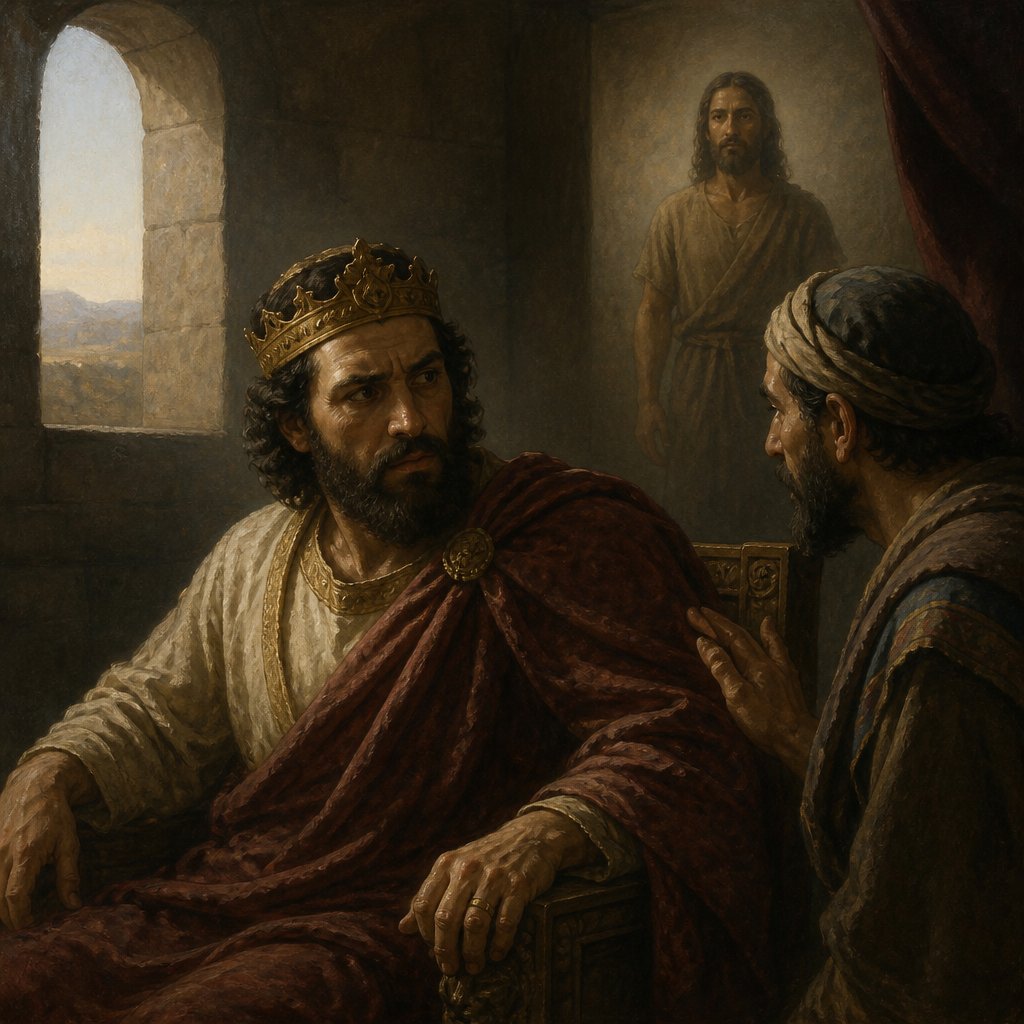
In Mark 6:16, we read, "But when Herod heard thereof, he said, It is John, whom I beheaded: he is risen from the dead." This moment in the Gospel illustrates a deeply significant truth about the nature of guilt and the human conscience. As we reflect on this verse, we find ourselves invited to delve into the complexities of Herod’s character and the tumultuous state of his soul.
Herod Antipas was a ruler beset by conflict. He was intrigued by John the Baptist's teachings and had initially imprisoned him because of the outcries regarding his illicit relationship with Herodias, his brother's wife. Despite the controversy, Herod was fascinated by John, often listening to him "gladly" (Mark 6:20). Yet, Herod's emotional landscape was fraught with the pressures of political expediency and personal pleasure. Ultimately, his decision to behead John was not merely a political move; it was an act born out of fear, pride, and a desire to save face in front of his guests.
Herod's unravelling guilt surfaces vividly in this verse. When he hears about the miracles and teachings of Jesus, he immediately associates them with John the Baptist, whom he had executed. This connection between the two men suggests that Herod's conscience was haunted by the weight of his previous actions. Guilt is a powerful force, and it manifests in various ways; in Herod's case, it emerges as a belief that John's resurrection is imminent—a supernatural repercussion of his heinous act.
Herod's response reveals a deeper truth about the human condition; guilt can corrupt and manipulate one's thoughts. It can make formerly rational individuals conceive of irrational ideas. The fear that John has risen from the dead indicates Herod's instilled paranoia and torment. When one's conscience is unsettled, fear can twist reality, leading to irrational conclusions. For Herod, the notion that John could return from the dead serves as a constant reminder of his guilt and moral failings.
Consider the implications of this verse in our own lives. How often do we attempt to suppress our guilt—those moments when our deeds conflict with our understanding of right and wrong? Much like Herod, we might find ourselves in positions where we ignore the voice of our conscience to chase after desires that lead to regret. The act of refusing to confront these feelings can result in a distorted reality, blurring moral lines and clouding judgment.
Furthermore, Herod's story serves as a reflection of the destructive power of unchecked desires. The Bible warns us in James 1:15 that, "when lust hath conceived, it bringeth forth sin: and sin, when it is finished, bringeth forth death." Herod’s lust for power and approval drove him to commit acts he could not reconcile with his sense of justice or righteousness. His commitment to his desires resulted in murder, creating a wound that would haunt him.
But there is hope amidst the darkness of guilt. Recognizing and confessing our sins allows for healing and restoration. Jesus made clear the path to forgiveness through His sacrifice, and we are called to seek repentance rather than pursuing the fleeting comfort of sin’s allure. In doing so, we exchange guilt for grace and darkness for light.
As we reflect on Herod’s tragic fate, let us be reminded of the importance of living with a clear conscience. Encourage yourself to confront actions that conflict with your values and beliefs. Seek the Lord earnestly for strength to overcome guilt and embrace forgiveness. Just as Herod’s guilt led him to irrationality and despair, choosing the path of righteousness leads to peace and eternal life.
So, as you meditate on Mark 6:16, consider your own life. Are there areas where guilt is festering? Bring them to the Lord. He is always ready to cleanse, heal, and restore. May we learn from Herod’s tragic story and seek the light that comes through genuine repentance and the grace that follows.
Get our apps


Artwork for Mark 6:16

Mark 6:16 - "But when Herod heard thereof, he said, It is John, whom I beheaded: he is risen from the dead."
"But when Herod heard thereof, he said, It is John, whom I beheaded: he is risen from the dead." - Mark 6:16

Mark 6:1-6

Mark 16:6-8

Mark 16:6-8

Mark 16:6-8

Mark 16:6 - "And he saith unto them, Be not affrighted: Ye seek Jesus of Nazareth, which was crucified: he is risen; he is not here: behold the place where they laid him."
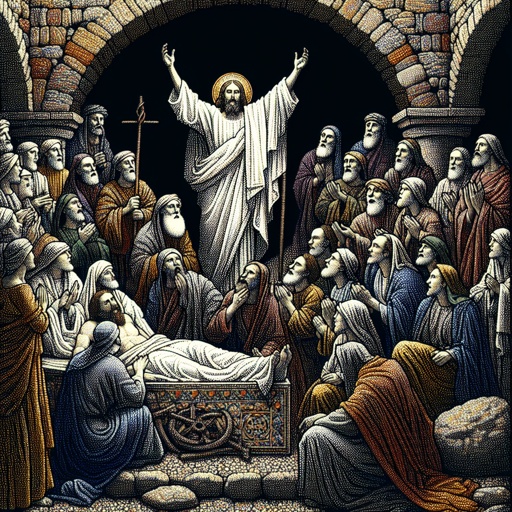
Mark 16:6 (KJVA) 6 And he saith unto them, Be not affrighted: Ye seek Jesus of Nazareth, which was crucified: he is risen; he is not here: behold the place where they laid him.

Mark 16:20
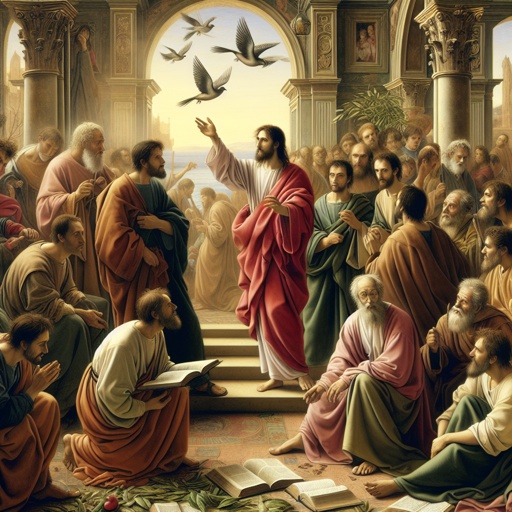
Mark 16:20

Mark 16:20
Mark 16:20

Mark 16:20

Mark 16:1-2

Mark 16:4-5

Mark 16:4-5

Mark 16:4-5

Mark 10:13–16

Mark 3:16 - "And Simon he surnamed Peter;"

Mark 16:5-6 - "And entering into the sepulchre, they saw a young man sitting on the right side, clothed in a long white garment; and they were affrighted. And he saith unto them, Be not affrighted: Ye seek Jesus of Nazareth, which was crucified: he is risen; he is not here: behold the place where they laid him."

african american mark 16:11

Mark 6:6 - "And he marvelled because of their unbelief. And he went round about the villages, teaching."

african american mary magdalene, mark 16: 9

Mark 9:16 - "And he asked the scribes, What question ye with them?"

Mark 16:13 - "And they went and told it unto the residue: neither believed they them."

Mark 7:16 - "If any man have ears to hear, let him hear."

Mark 8:16 - "And they reasoned among themselves, saying, It is because we have no bread."

Mark 16:4 - "And when they looked, they saw that the stone was rolled away: for it was very great."

Mark 6:52 - "For they considered not the miracle of the loaves: for their heart was hardened."

Mark 6:32 - "And they departed into a desert place by ship privately."