The Hidden Grace of Obedience
“And he sent him away to his house, saying, Neither go into the town, nor tell it to any in the town.” — Mark 8:26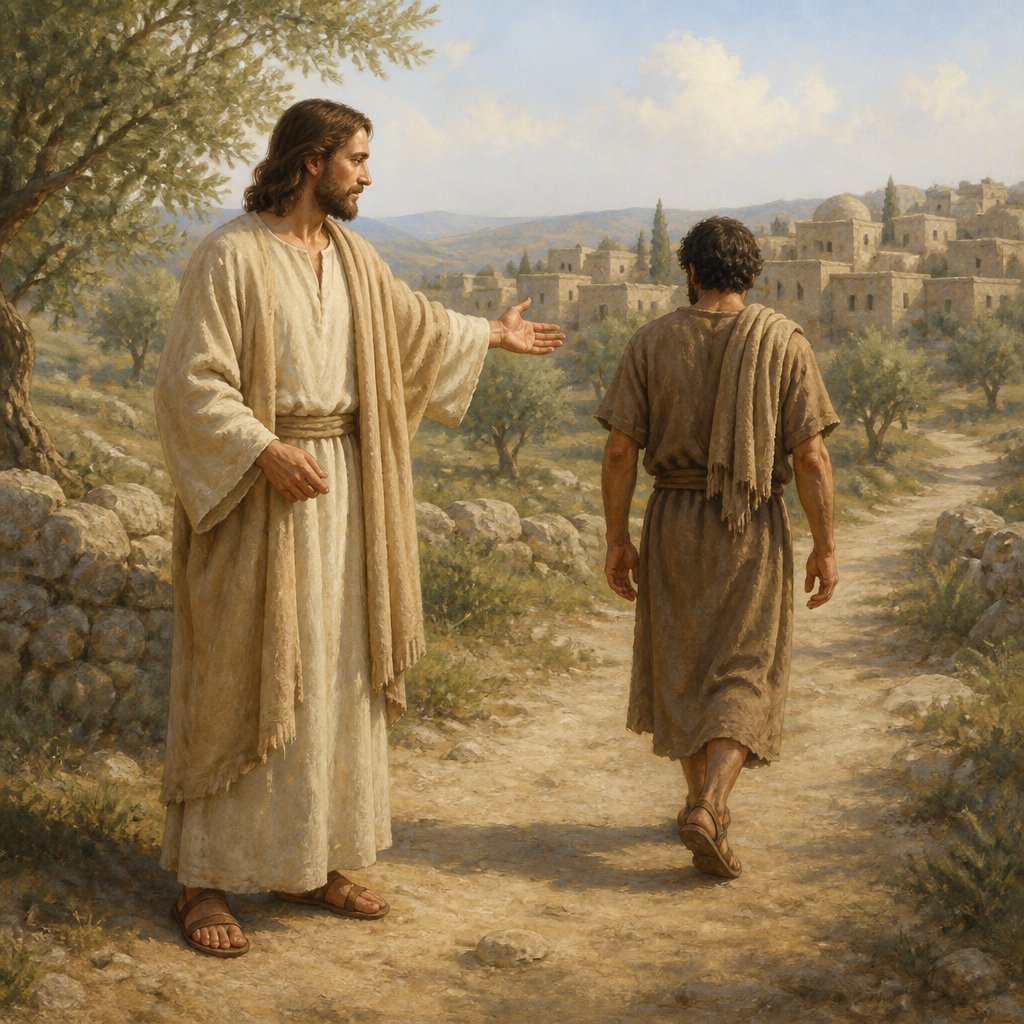
In the Gospel of Mark 8:26, we are met with a profound moment of interaction between Jesus and a blind man he healed. The verse states, "And he sent him away to his house, saying, Neither go into the town, nor tell it to any in the town" (KJV). This simple yet powerful directive from Jesus invites us to explore the significance of obedience, the nature of divine encounters, and the importance of humility in our walk of faith.
To fully appreciate this moment, we must consider the context. The man who had been blind received healing not through a grand spectacle or a public demonstration, but through a gentle and intentional act of Christ’s love. After Jesus performed the miracle, he gave strict instructions for this man to return home without making any declarations about what had transpired. Why would Jesus ask him to remain silent? This question opens a gateway into understanding physical and spiritual sight.
Often, our first instinct after receiving a miracle is to shout it from the rooftops. We feel compelled to share our testimonies, to tell everyone about the transformative experiences we've had. However, in this instance, Jesus encourages silence instead of celebration. This seemingly odd request emphasizes the concept of personal relationship and discipleship over public recognition. Jesus knew that the man’s journey of faith was not solely about the miracle performed, but about the lessons learned in obedience and humility.
The instruction to return home reveals an intimate aspect of discipleship; it was as if Jesus entreated the man to internalize the miracle, to reflect on its meaning in his life, rather than merely proclaim it to the crowd. There’s an innate value in seeking reflection rather than praise, as it encourages a deeper understanding of our experiences with God. How often do we rush to proclaim what God has done for us, only to miss the deeper lessons He wants us to learn in silence?
Moreover, the prohibition against returning to the town holds rich implications regarding our daily walk. Life in the town often mirrors our daily routines filled with distractions, challenges, and complications. Jesus' command may signify the importance of not returning to former ways of thinking or living after experiencing His transformative power. Just like the healed man, we are often tempted to re-enter the familiar surroundings of our old selves, forgetting that true transformation demands change in our habits and environment as much as it does in our hearts.
Additionally, the notion of not telling others displays a deeper aspect of faith. Jesus knew perhaps the man's testimony would not be understood or received correctly by those who had not experienced Christ's healing touch firsthand. Sometimes, when we speak prematurely about our faith, we can lead others to misinterpret our experiences. Therefore, our walk with God may require moments of solitude and reflection, periods when our actions speak louder than words.
As we reflect upon this powerful verse, let us draw practical lessons into our lives. In moments of divine encounter, let us practice humility—taking time to soak in the grace we've received before broadcasting it. Let us embrace the season of silence where we can wrestle with what God has done within us, allowing it to shape our character and understanding.
Moreover, let us consider the importance of our surroundings. If we have encountered God’s transformative power, what towns—the figurative towns of our lives—do we need to reconsider entering?
In conclusion, Mark 8:26 challenges us to navigate our relationship with God thoughtfully and with discernment. Let us not rush into sharing what God has done before we’ve fully grasped its significance in our lives. May we also learn to embrace the quiet moments of our walk of faith, knowing that there is grace not just in the healing, but in the journey back home.
Get our apps


Artwork for Mark 8:26

Mark 8:26 - "And he sent him away to his house, saying, Neither go into the town, nor tell it to any in the town."
"And he sent him away to his house, saying, Neither go into the town, nor tell it to any in the town." - Mark 8:26

Mark 15:26 - "And the superscription of his accusation was written over, THE KING OF THE JEWS."

Mark 14:26 - "¶ And when they had sung an hymn, they went out into the mount of Olives."

Mark 8:35

Mark 8:35

Mark 12:8

Mark 13:8

Mark 13:8

Mark 13:26 - "And then shall they see the Son of man coming in the clouds with great power and glory."

Mark 8:35

Mark 13:8

Mark 8:7

Mark 8:35

Mark 12:8

Mark 2:8

Mark 4:26 (KJVA) 26 And he said, So is the kingdom of God, as if a man should cast seed into the ground;

Mark 10:26 - "And they were astonished out of measure, saying among themselves, Who then can be saved?"

Mark 4:26 - "¶ And he said, So is the kingdom of God, as if a man should cast seed into the ground;"

Mark 3:26 - "And if Satan rise up against himself, and be divided, he cannot stand, but hath an end."

Mark 11:26 - "But if ye do not forgive, neither will your Father which is in heaven forgive your trespasses."

Mark 8:27 - 35

Mark 8:27 - 35

Mark 16:6-8

Mark 8:27 - 35

Mark 8:27 - 35

Mark 16:6-8

Mark 16:6-8

Mark 8:27 - 35

Mark 1:26 - "And when the unclean spirit had torn him, and cried with a loud voice, he came out of him."