The Gift of Peace: A Divine Exchange
"And if the house be worthy, let your peace come upon it: but if it be not worthy, let your peace return to you." - Matthew 10:13
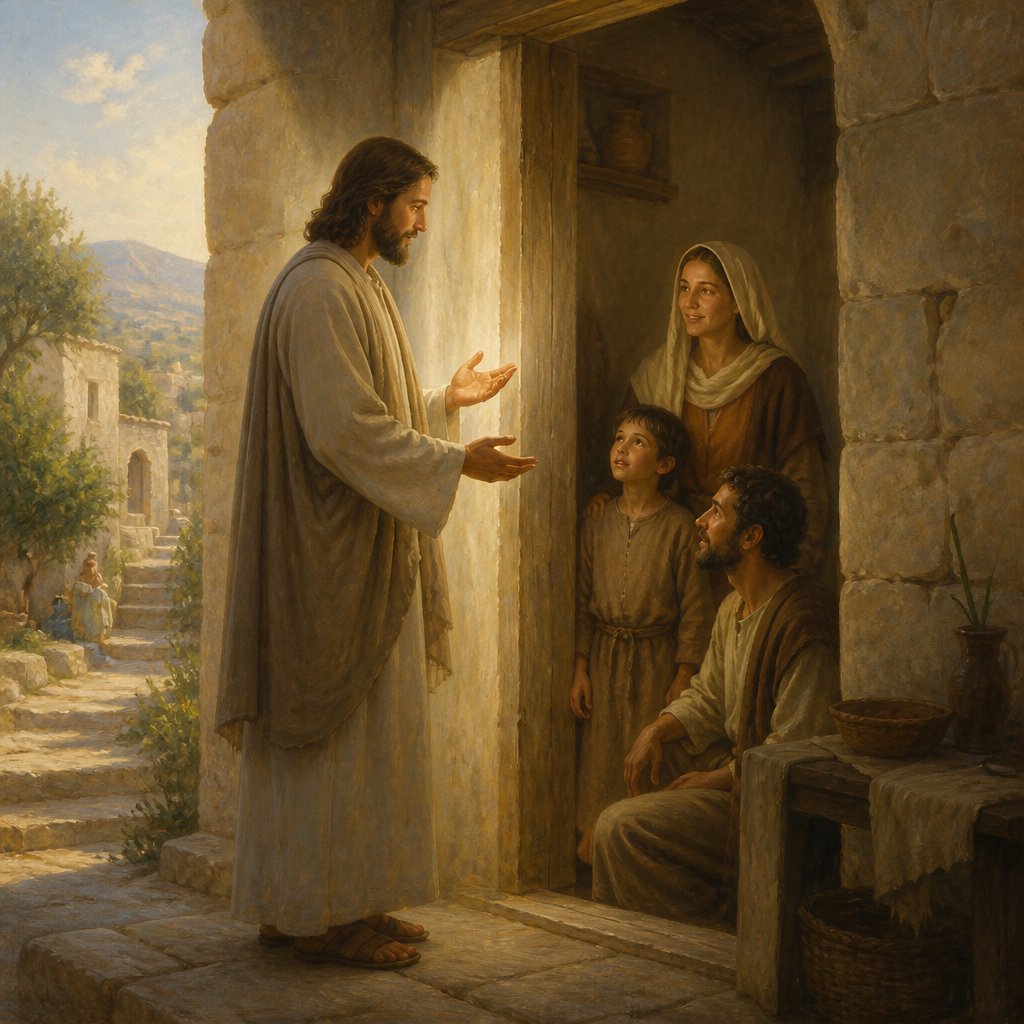
Matthew 10:13 states, "And if the house be worthy, let your peace come upon it: but if it be not worthy, let your peace return to you." This verse, nestled within the instructions Jesus gave to His disciples as He sent them out to preach, offers profound insights into the nature of peace in the life of a believer, the expectations surrounding evangelism and the sacred responsibility we have when engaging with others.
In this passage, Jesus introduces a spiritual principle tied to the idea of worthiness. The concept of a house being ‘worthy’ hinges not upon its physical stature or the appearance of its inhabitants, but rather upon the receptiveness to the Gospel and the righteousness it entails. When a house is worthy, it indicates an openness to the message of Jesus Christ, and peace— His peace—is offered freely to dwell within it. This peace is no ordinary tranquility; it reflects the very essence of God, a calm assurance that transcends understanding, a peace that can only come from being in right relationship with Him.
The instruction to let our peace come upon a house suggests an active, intentional sharing of God’s gifts. In essence, we are not only to share the Gospel verbally but to imbue our interactions with divine peace. This is the calling of every ambassador of Christ: to represent His character, and let the impact of His peace flow through us into our environment. As believers, we carry within us the Holy Spirit, who gifts us with this peace. Thus, when we enter a home or a community, we should carry the intent of leaving behind a piece of God’s serenity, nurturing faith and goodwill.
However, the second half of the verse introduces a sobering reality: “but if it be not worthy, let your peace return to you.” Here, we find a form of divine protection. If our peace is rejected, it simply returns to us; it cannot be diminished or lost. It reminds us that our role is to sow seeds, but it is God's sovereignty that brings about growth or receptiveness. People's responses are not a reflection of the value of our efforts or even the message itself, but rather their current spiritual disposition.
This notion requires us to relinquish the weight of others’ acceptance. As believers, we must understand that not everyone will welcome the Gospel or the peace we bring. Acceptance is dependent upon the work of the Holy Spirit in their hearts. We are freed from the burden of making people accept the truth, for our peace returning to us means we must continue on our journey with grace, knowing that the seed has been planted and God will tend to it in His time.
Moreover, as we engage in the world around us—whether in our homes, workplaces, or communities—there is an invitation to carry this peace with integrity. It teaches us how to discern where to invest our energies and where to withdraw without despair or discouragement. God calls us not only to be conduits of peace but also to recognize the importance of maintaining our own peace as a continual resource for both ourselves and those receptive to the message.
In a world fraught with turmoil and anxiety, followers of Christ must reflect His peace through our interactions. Each moment of interaction offers an opportunity for peace to flourish or retreat. As we strive to live out Matthew 10:13, let us be persistent in spreading peace to those willing to receive it, and gracious when it is not welcomed. In doing so, we reflect the heart of our Savior, who entrusted His peace to His disciples then and continues to bestow it upon us today.
Thus, let us embrace the mission of sharing God’s peace, recognizing its powerful potential to transform lives and uphold our own spiritual well-being. May we walk boldly, loving and fostering environments worthy of His peace.
Want to reflect more on Matthew 10:13?
Continue your spiritual journey with Bible Chat — an AI-powered tool for exploring God's Word through conversation. Ask questions, discover connections, and deepen your understanding.
Get Our Apps


Matthew 10:13 Artwork

Matthew 10:13 - "And if the house be worthy, let your peace come upon it: but if it be not worthy, let your peace return to you."
"And if the house be worthy, let your peace come upon it: but if it be not worthy, let your peace return to you." - Matthew 10:13

Matthew 13:10 - "And the disciples came, and said unto him, Why speakest thou unto them in parables?"

"And the disciples came, and said unto him, Why speakest thou unto them in parables?" - Matthew 13:10

Matthew 13

Matthew 8:13

Matthew 8:13

Matthew 8:13

Matthew 13

matthew 15 matthew 15:10

Matthew 7:13-14

Matthew 7:13-14

Matthew 7:13-14

Matthew 7:13-14

Matthew 7:13-14

Matthew 7:13-14

Matthew 7:13-14

Matthew 7:13-14

Matthew 7:13-14

Matthew 7:13-14

Matthew 7:13-14

Matthew 7:13

Matthew 2:13

Matthew 13:8

Matthew 6:13

Matthew 2:13

Matthew 19:13

Matthew 1:10

Matthew 18:10

Matthew 1:10