Called to a Specific Mission: Understanding Matthew 10:5
“These twelve Jesus sent forth, and commanded them, saying, Go not into the way of the Gentiles, and into any city of the Samaritans enter ye not:” — Matthew 10:5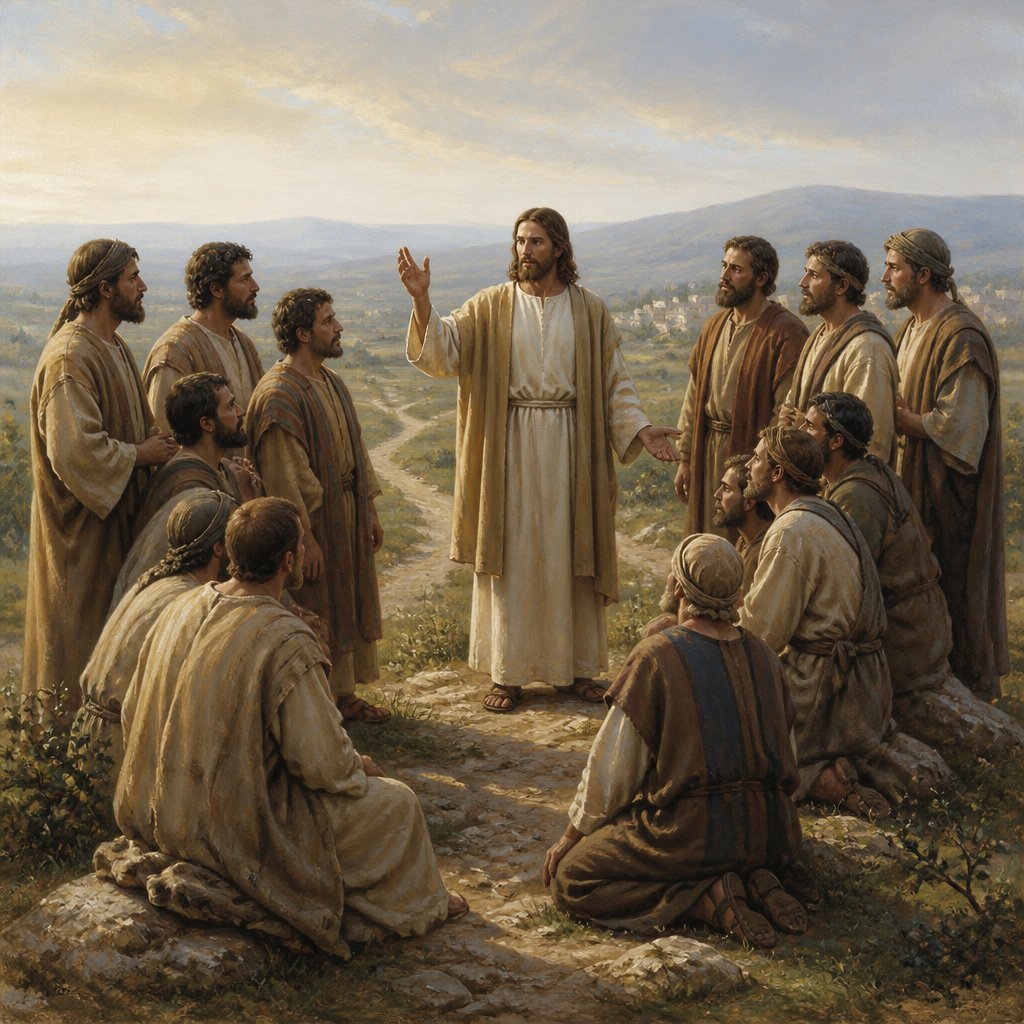
In the fifth verse of Matthew chapter ten, we encounter a significant moment in the ministry of Jesus: "These twelve Jesus sent forth, and commanded them, saying, Go not into the way of the Gentiles, and into any city of the Samaritans enter ye not." In this directive, we witness not only Jesus' authoritative guidance but also a profound insight into His mission and the unfolding plan of salvation.
At first glance, this instruction may seem exclusionary. Jesus, the embodiment of love and acceptance, appears to limit His disciples' outreach to a specific audience—the lost sheep of the house of Israel. To truly understand this directive, we must explore the historical and cultural context. The Israelites were God’s chosen people; they had the law, promises, and a covenant relationship with God from ancient times. Their deliverance from slavery in Egypt, the establishment in a promised land, and the prophetic declarations of a coming Messiah highlight the special place they occupied in the plan of salvation.
The Gentiles, on the other hand, were viewed as outsiders. The Samaritans, a mixed race descended from Israelites and Gentiles, bore the brunt of Jewish animosity. By commanding His disciples to avoid the paths of these two groups, Jesus was not exhibiting prejudice or disdain; rather, He was fulfilling prophetic timelines and demonstrating a strategic plan. Salvation had to first be offered to the Jews, as evidenced by many Old Testament prophecies that foretold a Messianic savior emerging from Israel.
Jesus sent His disciples, empowered with authority over unclean spirits and diseases, with the primary mission of preaching "the kingdom of heaven is at hand" (Matthew 10:7). This was the essential message to prepare the hearts of His own people for the impending fulfillment of God’s promises. God sought reconciliation with Israel first, that they might recognize Jesus as the Messiah. However, His divine heart has always included people from all nations.
In considering this passage, we are prompted to reflect on our own “missions.” God calls each of us, whether as individuals or as a community of believers, to specific tasks within His overarching kingdom. Perhaps you feel equipped and excited about reaching out to your neighbors or engaging in mission work across different cultures. Even as you pursue those admirable goals, it's essential to ask: Are you aligning yourself with God’s will? Are you being led by the Spirit to the specific people He is calling you to influence?
Similarly, Jesus’ command invites introspection regarding our interactions with those around us. Who are we most comfortable spending time with? Do we unconsciously limit our influence to those who resemble us in beliefs and practices? Jesus exemplified breaking barriers – He reached out to the Samaritan woman at the well (John 4), showing that His grace and hope extend to every person, regardless of their background.
We must also consider the importance of timing and divine appointments in our lives. While Jesus restricted His disciples' outreach initially, it didn’t mean Gentiles were beyond hope; rather, the later mission would expand to include all people as recorded in Matthew 28:19, known as the Great Commission. The liberation and love of Jesus would ultimately reach every corner of the earth, fulfilling God’s promise to bless all nations through Abraham’s seed.
As we meditate on Matthew 10:5, let us discern our own paths of service. God may lead us to specific individuals or communities prepared to hear the good news. In being mindful of His orders, we not only honor His sovereignty but partake in the revival of souls hungry for truth and love.
In closing, may we be eager to obey His call and sensitive to His guidance. Let us step boldly into our God-ordained missions and work collectively until the fullness of His kingdom extends to every language, tribe, and nation. And as we journey, let us carry the essence of the message we proclaim: that every heart stands invited to encounter Christ and share in the profound grace He offers.
Get our apps


Artwork for Matthew 10:5

Matthew 10:5 - "These twelve Jesus sent forth, and commanded them, saying, Go not into the way of the Gentiles, and into any city of the Samaritans enter ye not:"
"These twelve Jesus sent forth, and commanded them, saying, Go not into the way of the Gentiles, and into any city of the Samaritans enter ye not:" - Matthew 10:5

Matthew 5:10 - "Blessed are they which are persecuted for righteousness' sake: for their's is the kingdom of heaven."

"Blessed are they which are persecuted for righteousness' sake: for their's is the kingdom of heaven." - Matthew 5:10

matthew 15 matthew 15:10

Matthew 5:5 - "Blessed are the meek: for they shall inherit the earth."

Matthew 5:44

Matthew 5:44

Matthew 5

Matthew 5

Matthew 5:44

Matthew 5:44

Matthew 5

Matthew 1:10

Matthew 18:10

Matthew 1:10

Matthew 5:44

Matthew 5:44

Matthew 5:14

Matthew 5:44

Matthew 6:5

Matthew 5:14

Matthew 5:38

Matthew 4:10

Matthew 10:3 - "Philip, and Bartholomew; Thomas, and Matthew the publican; James the son of Alphaeus, and Lebbaeus, whose surname was Thaddaeus;"

for the workman is worthy his meat Matthew 10:10

for the workman is worthy of his meat Matthew 10:10

Matthew 5:30

Matthew 5:15

Matthew 5:15