The Prophetic Echo: Recognizing the Messenger.
“And if ye will receive it, this is Elias, which was for to come.” — Matthew 11:14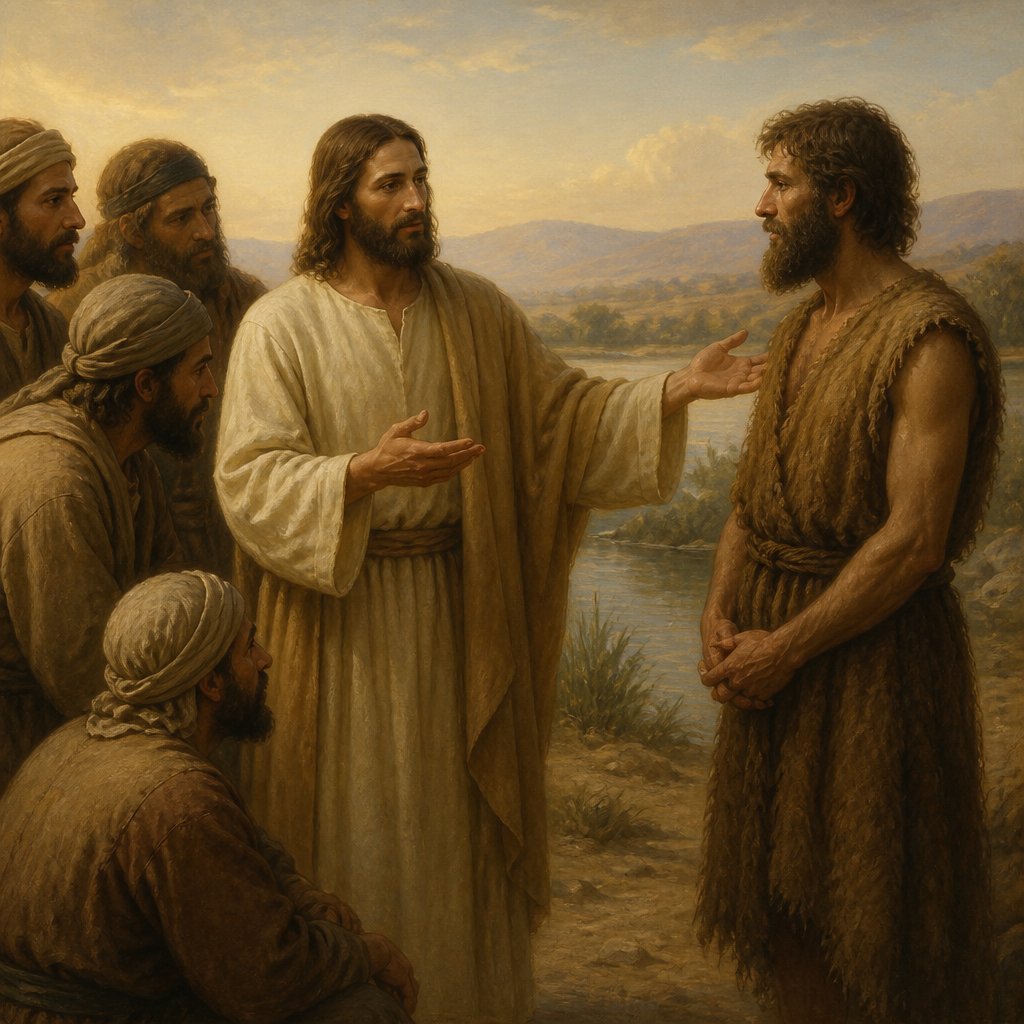
In Matthew 11:14, we read, "And if ye will receive it, this is Elias, which was for to come." This declaration made by Jesus probes deeply into the sacred tension between prophecy and recognition. Here, Jesus identifies John the Baptist with Elijah (or Elias in the KJV), thereby underscoring the profound continuity of God's divine message throughout history. This verse invites us to explore the nature of prophecy, the roles we play in recognizing divine messages, and the challenge we face in accepting what God sends our way.
Elijah was revered as one of the greatest prophets of the Old Testament, known for his powerful ministry and confrontation with idolatry in Israel. God ordained him to prepare the way for the coming Messiah, a theme that resonates throughout the prophetic literature. When Jesus announces that John the Baptist is Elijah who was to come, it signifies not just continuity, but also fulfillment. John embodies the prophetic spirit, calling people to repentance and turning their hearts back to God in anticipation of the Savior.
Reflecting on this verse, we might ask ourselves: why did Jesus say, "if ye will receive it"? This phrase implies a challenge to the listeners' perception and readiness to accept God's messenger. It evokes the question of our willingness to receive the truth when it comes packaged in unexpected ways. John the Baptist's ascetic lifestyle and radical preaching were astounding, even jarring, to the society of his day. Many chose to dismiss him because he did not fit their preconceived notions of what a prophet should look like or how he should behave. Similarly, we might encounter messages from God that challenge our assumptions or disrupt our comfortable patterns. We must remain vigilant, open-minded, and receptive to the ways in which God communicates.
In today’s context, recognizing our 'Elias' can take many forms. It may be a sermon that challenges our status quo, the words of a child who reminds us of simple truths, or a difficult season that forces personal introspection. Often, the messengers of God may not fit our expectations. Consider how the Bible is replete with instances of individuals who were overlooked or marginalized—Moses, David, and even Mary of Nazareth. By putting aside our biases and preconceptions, we can begin to hear the gentle whispers of God's plans amidst the clamor of our lives.
Moreover, we grapple with the dynamic of faith as it pertains to the acceptance of divine truth. Our spiritual journey often involves moments of tension between doubt and belief. Jesus' challenge, "if ye will receive it," serves to remind us that acceptance is an act of the will as much as it is a response of the heart. Would we dare to receive truth that calls us out of complacency? Will we embrace a message that may lead to transformation, albeit uncomfortable?
The call to recognize ‘this Elias’ extends beyond our personal lives—it's communal. Our ability to recognize and support God's messengers within our communities can lead to revival and restoration. As believers, we are tasked with discerning who speaks on behalf of God and what revelations are unfolding around us. This invites a posture of humility, prayerfulness, and a heart attuned to the divine.
Finally, knowing that Jesus identifies John the Baptist with the spirit of Elijah adds significant weight to our understanding of how God operates. He does not change the essence of His message, even if the messengers vary significantly. As we reflect on this truth, let us ask: Who is God sending into our lives to guide us? How can we intentionally open ourselves to receive God’s working in our world? Are we prepared to embrace and proclaim what these voices are calling us to?
May we cultivate a heart that is eager to recognize the Elias in our midst and receive God's transformative truth, ready to embrace the prophetic echoes resonating in our lives today.
Get our apps


Artwork for Matthew 11:14

Matthew 11:14 - "And if ye will receive it, this is Elias, which was for to come."
"And if ye will receive it, this is Elias, which was for to come." - Matthew 11:14

Matthew 14:11 - "And his head was brought in a charger, and given to the damsel: and she brought it to her mother."

Matthew 11:3

"And his head was brought in a charger, and given to the damsel: and she brought it to her mother." - Matthew 14:11

Matthew 3:11

Matthew 3:11

Matthew 3:11

Matthew 3:11

Matthew 3:11

Matthew 7:13-14

Matthew 7:13-14

Matthew 7:13-14

Matthew 7:13-14

Matthew 7:13-14

Matthew 7:13-14

Matthew 7:13-14

Matthew 3:11

Matthew 7:13-14

Matthew 7:13-14

Matthew 7:13-14

Matthew 7:13-14

Matthew 3:11-12

Matthew 5:14

Matthew 6:14

Matthew 5:14

Matthew 3:11-12
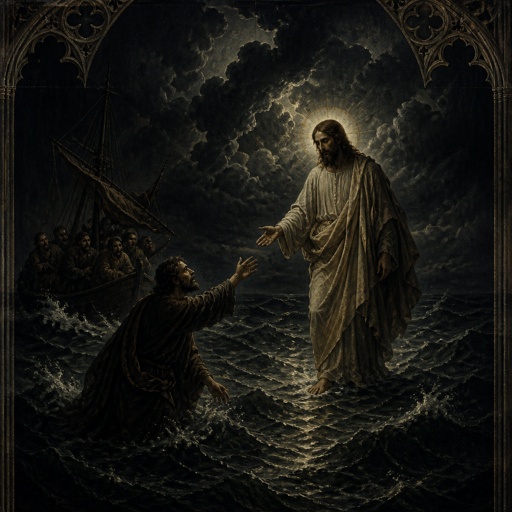
Matthew 14:27
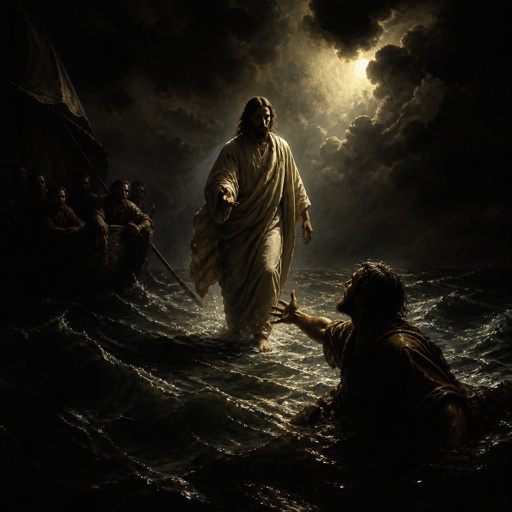
Matthew 14:27
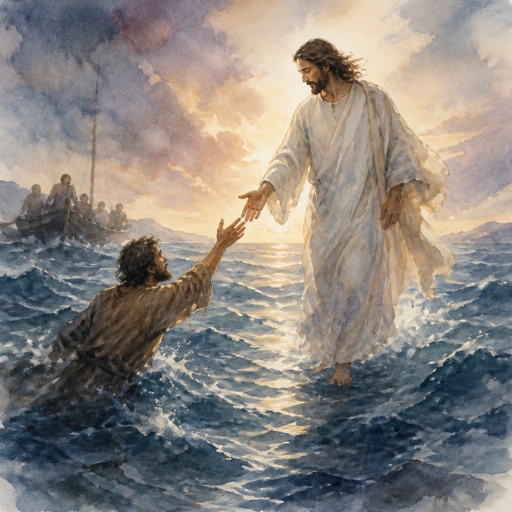
Matthew 14:27