Conspiracy in the Shadows: A Reflection on Matthew 12:14
“Then the Pharisees went out, and held a council against him, how they might destroy him.” — Matthew 12:14
As we delve into the rich context of Matthew 12:14, where it states, "Then the Pharisees went out, and held a council against him, how they might destroy him," we encounter a profound narrative that exposes the rise of opposition faced by our Lord and Savior, Jesus Christ. This verse, though brief, encapsulates a pivotal moment in the ministry of Jesus, revealing the hardened hearts of the Pharisees and the depths of their resolve against the truth.
The setting within which this verse unfolds is critical for understanding the motivations of the Pharisees. Immediately preceding this verse, Jesus had healed a man with a withered hand in direct defiance of the rigid interpretations of the Sabbath laws upheld by the Pharisees. This act of mercy was seen as a threat to their authority and legalistic understanding of the law. The Pharisees, the religious leaders of the time, prided themselves on their strict adherence to the law. Yet, in their desire to preserve their rules and regulations, they were blind to the compassion and sovereignty of God manifested in Christ.
Their response to Jesus' act of healing reveals much about the human heart's propensity to favor tradition over truth. The Pharisees went out, perhaps from a place of indignation and self-preservation, and convened together with ill intent, contemplating the destruction of Jesus. This council reflects not just a plot against a man, but a deep-seated rebellion against the very essence of God’s love and power that His son represented. Herein lies a warning for us: we too must guard against the impulse to prioritize our interpretations of faith above the transformative actions of God’s love that beckons us to a higher calling.
In today’s world, the spirit of the Pharisees can still be found. Often, it manifests through judgmental attitudes, legalistic practices, or a failure to embrace the grace of God in the fullness of His intent. How many times do we allow our traditions or personal biases to overshadow the essential gospel message? How often do we dismiss those who are different from us, or who don't align with our interpretations of scripture? In doing so, we risk standing in opposition to God’s work in the world, just as the Pharisees did.
Furthermore, this verse prompts us to reflect deeply on how we respond to the vulnerabilities of Jesus. The intention to destroy Him was born out of fear—not only for their loss of power but also fear of the transformative authenticity that Jesus represented. Are we, in our lives, contributing to a council to "destroy" the spiritual movements that challenge our comfort zones? The gospel calls us to demolish the walls that divide rather than build them. In engaging with Jesus fully, we find that His love is expansive and inclusive, reaching even towards those we may initially deem unworthy.
Jesus, knowing the hearts of the Pharisees, did not allow their conspiracies to deter Him from His mission. As Christians, we are called to emulate this steadfastness. When faced with opposition, let us respond with an unwavering commitment to love and truth, embodying the very character of Christ. May we not be easily swayed by the plots against us but instead become instruments of grace to those who conspire in their misunderstanding of God’s grand design.
As I conclude this reflection, I encourage you to examine your own heart. Are there areas where you are holding onto your own interpretations or fears that hinder your walk with Christ? Let us pray for wisdom to recognize the true nature of our beloved Savior—one who came not to abolish the law but to fulfill it, to bind up the brokenhearted, and to provide a sanctuary of grace, even in the shadow of betrayal.
In doing so, we participate in the life-giving call of Christ, moving beyond mere tradition into the transformative love He embodies, breaking free from all that seeks to destroy His work within us and through us. Amen.
Get our apps


Artwork for Matthew 12:14

Matthew 12:14 - "¶ Then the Pharisees went out, and held a council against him, how they might destroy him."

"¶ Then the Pharisees went out, and held a council against him, how they might destroy him." - Matthew 12:14
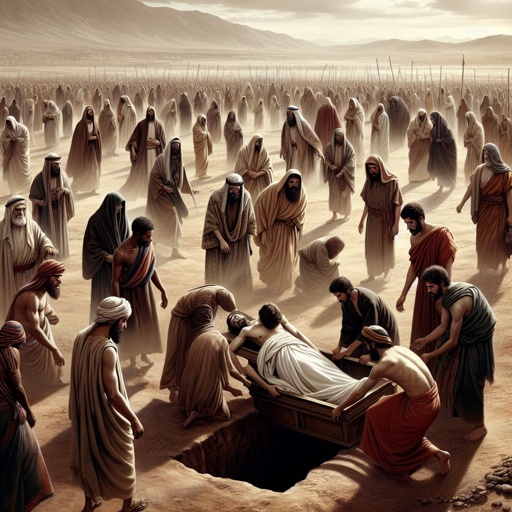
Matthew 14:12 - "And his disciples came, and took up the body, and buried it, and went and told Jesus."

"And his disciples came, and took up the body, and buried it, and went and told Jesus." - Matthew 14:12

Matthew 7:13-14

Matthew 7:13-14

Matthew 7:13-14

Matthew 7:13-14

Matthew 7:13-14

Matthew 7:13-14

Matthew 7:13-14

Matthew 7:13-14

Matthew 7:13-14

Matthew 7:13-14

Matthew 7:13-14

Matthew 3:11-12

Matthew 5:14

Matthew 6:14

Matthew 5:14

Matthew 3:11-12

Matthew 14:27

Matthew 14:27

Matthew 14:27

matthew 2:14

Matthew 3:12

Matthew 3:12

Matthew 23:12

Matthew 7:12

Matthew 23:12

Matthew 7:12