The True Purpose of the Sabbath: A Reflection on Matthew 12:2
“But when the Pharisees saw it, they said unto him, Behold, thy disciples do that which is not lawful to do upon the sabbath day.” — Matthew 12:2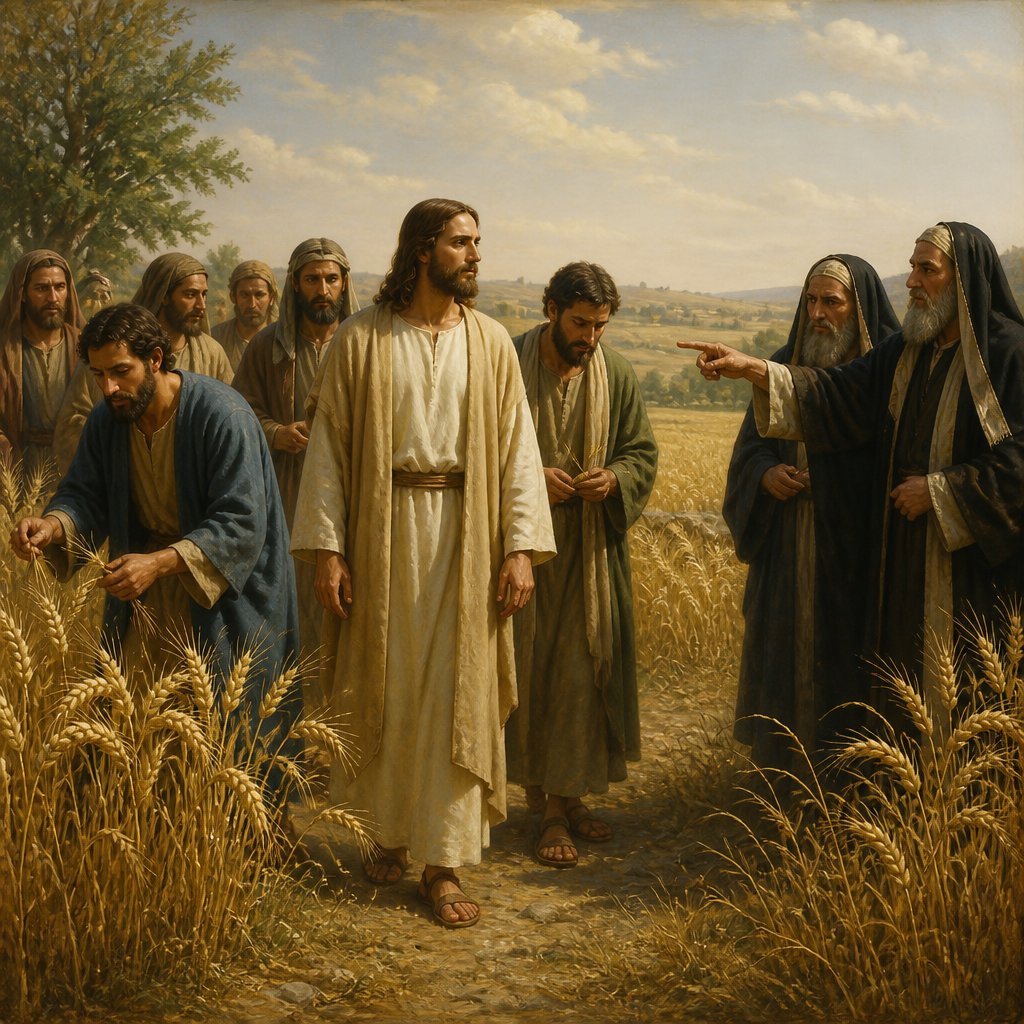
In the Gospel of Matthew, we find Jesus profoundly challenging the existing norms and traditions of His time. One particular incident captured in Matthew 12:2 brings to light the tension between the heart of the law and the rigidity of man-made religion. The verse states, "But when the Pharisees saw it, they said unto him, Behold, thy disciples do that which is not lawful to do upon the sabbath day." This moment invites us to explore the deeper meaning and significance of the Sabbath, and how it relates to our relationship with God and others.
To grasp the full weight of this encounter, we must first understand the role of the Pharisees. They were religious leaders zealously committed to the law, dedicated to maintaining its purity and strict observance. However, their emphasis on rules often overshadowed the more profound principles of mercy and love meant to guide the law's application. The Sabbath, a day of rest established by God, was intended to be a blessing, a divine pause in the rhythm of life. Unfortunately, the Pharisees had transformed it into a burdensome ordeal, filled with heavy restrictions and intricate regulations.
The disciples, in the act of picking grain on the Sabbath, did so out of necessity rather than defiance. They were hungry, relying on the natural provision available to them. The Pharisees, however, saw this act as a legal violation, accusing Jesus and His followers of breaking the Sabbath laws. Their rigid interpretation of the scriptures missed the heart of God's intent, which was never to stifle life but to nourish it.
Jesus responds to this confrontation by highlighting the importance of understanding the spirit of the law compared to its letter. He reminds the Pharisees that David, a revered figure in Jewish history, had once eaten the showbread from the house of God—an act that was not lawful under the strict interpretation of the laws pertaining to the sanctuary yet was permissible because of the circumstances and the heart behind the action. Through this comparison, Jesus exposes the hypocrisy that can arise when we become overly focused on regulations at the expense of compassion and understanding.
As we reflect on Matthew 12:2, we are called to examine our lives seriously. How often do we find ourselves trapped in rigid rules and expectations? Do we fail to extend grace to ourselves and others? In our pursuit of holiness, do we risk losing sight of love and mercy, which ought to be at the core of our interactions and the way we practice our faith?
The Sabbath is a powerful reminder that God desires our rest, renewal, and relationship with Him. It is not merely a day of restriction but rather a gift of grace. It is a time set apart for us to reconnect with our Creator, to reflect on His goodness, and to rejuvenate our spirits. God’s intent for the Sabbath is that it would be a day of joy, peace, and worship, where human need is prioritized over rigid adherence to tradition.
In the face of our fast-paced, often stressful lives, we must reclaim the true essence of the Sabbath—a day to rest in God’s presence, to enjoy fellowship with others, and to remind ourselves that the spiritual law must always lead us back to a loving relationship with God and with our neighbors. Let us not be like the Pharisees, burdened by rules but blinded to the truth of God's heart.
As we meditate on this scripture, let’s ask the Lord to help us find balance in our lives, to avoid falling into the traps of legalism and to embrace the freedom that comes from knowing Him. May we seek not just to observe rules but rather to fulfill the law of love, which is the greatest commandment of all, fulfilling our Sabbath rest in Him.
Get our apps


Artwork for Matthew 12:2

Matthew 12:2 - "But when the Pharisees saw it, they said unto him, Behold, thy disciples do that which is not lawful to do upon the sabbath day."
"But when the Pharisees saw it, they said unto him, Behold, thy disciples do that which is not lawful to do upon the sabbath day." - Matthew 12:2

Matthew 2:1-12

Matthew 2:1-12

Matthew 2:1-12

Matthew 2:1-12

Matthew 2:12 - "And being warned of God in a dream that they should not return to Herod, they departed into their own country another way."

Matthew 3:11-12

Matthew 3:11-12

Matthew 3:12

Matthew 3:12

Matthew 23:12

Matthew 7:12

Matthew 23:12

Matthew 7:12

Matthew 3:12

Matthew 12:36-37

Matthew 5:1 a 12

matthew 12:36-37

Matthew 5:8-12

Matthew 5:1 a 12

Matthew 12:36-37

Matthew 12:12 - "How much then is a man better than a sheep? Wherefore it is lawful to do well on the sabbath days."
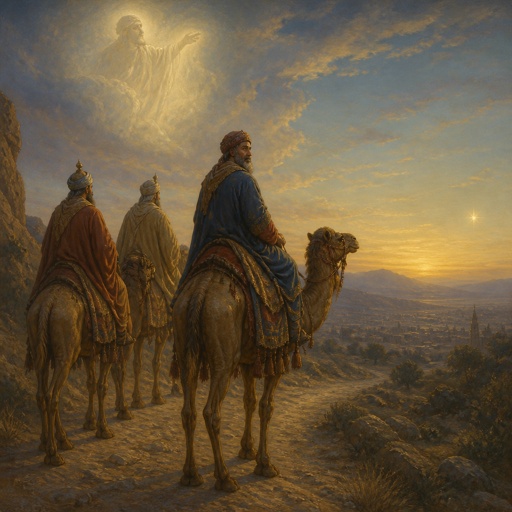
"And being warned of God in a dream that they should not return to Herod, they departed into their own country another way." - Matthew 2:12

Matthew 10:12 - "And when ye come into an house, salute it."

Matthew 12:21 - "And in his name shall the Gentiles trust."

Matthew 12:16 - "And charged them that they should not make him known:"

Matthew 12:8 - "For the Son of man is Lord even of the sabbath day."

Matthew 12:23 - "And all the people were amazed, and said, Is not this the son of David?"

Matthew 12:9 - "And when he was departed thence, he went into their synagogue:"