The Lord of the Sabbath: Finding Mercy in Need
“At that time Jesus went on the sabbath day through the corn; and his disciples were an hungred, and began to pluck the ears of corn, and to eat.” — Matthew 12:1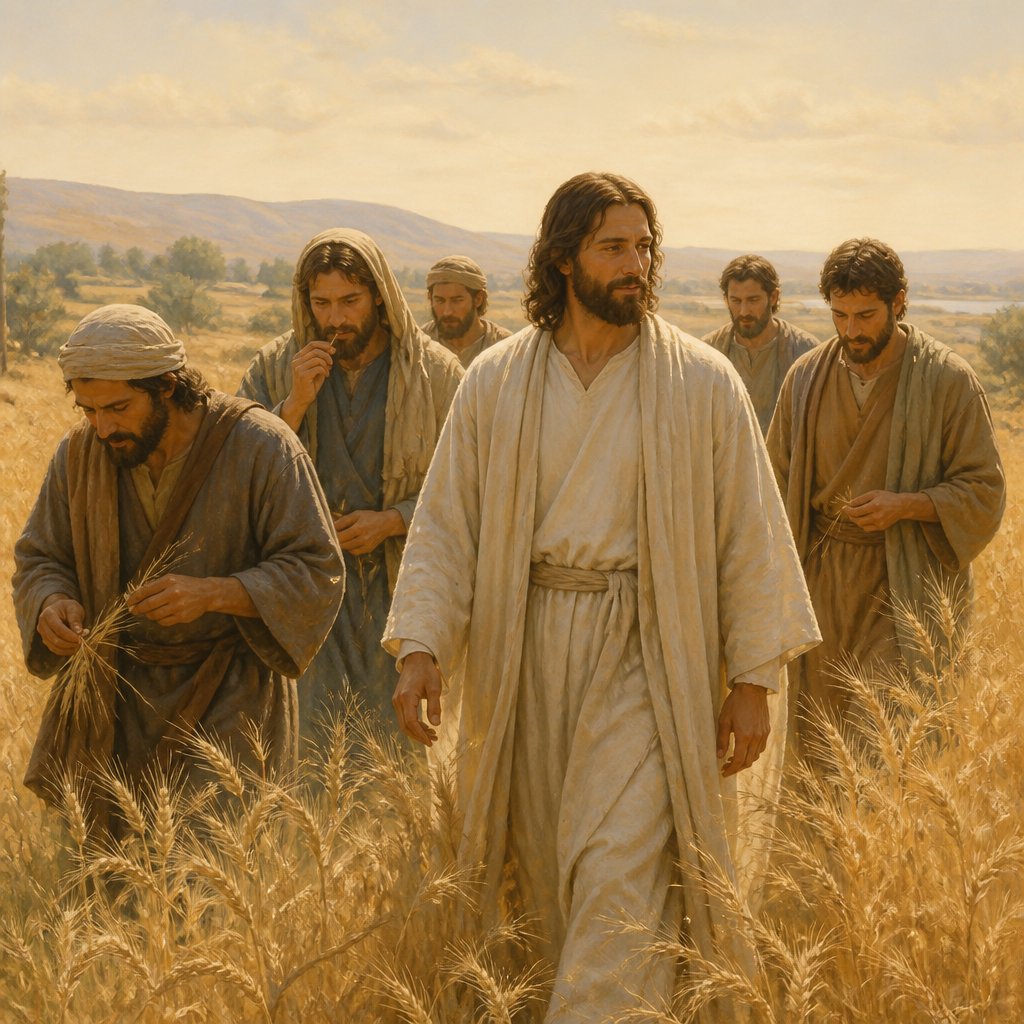
As we reflect on Matthew 12:1, we encounter a profound moment in the life of Jesus and his disciples: "At that time Jesus went on the sabbath day through the corn; and his disciples were an hungred, and began to pluck the ears of corn, and to eat." This verse encapsulates both the compassionate nature of Christ and the challenges He faced with the rigid interpretations of the Mosaic Law concerning the Sabbath.
To understand the significance of this passage, we must first grasp the context of the Sabbath in Jewish tradition. Established in the creation narrative (Genesis 2:2-3) and later emphasized in the Ten Commandments (Exodus 20:8-11), the Sabbath is meant to be a holy day of rest and worship, a gift from God signifying both physical rest and spiritual rejuvenation. However, over centuries, the Pharisees and religious leaders added numerous regulations that burdened this holy day with rules, often overshadowing its divine purpose with their interpretations.
In this passage, Jesus and His disciples find themselves in a field on the Sabbath, hungry and in need of sustenance. The image of the hungry disciples plucking grains from the corn reminds us that sometimes, basic human needs compel us to break the established norms of tradition. As disciples, they were following Jesus, and in doing so, they were guided by a principle that transcends mere ritual: the principle of mercy and necessity.
When we picture the scene, we see the tension between the physical hunger of the disciples and the spiritual pride of the religious leaders. The act of consuming food on the Sabbath was seen as a violation of the law. However, Jesus, aware of their judgment, addresses this issue head-on by demonstrating that the needs of human beings are more significant than the rigid observance of rituals. It was not the outward act of eating that violated the Sabbath; instead, it was how the Pharisees' hearts were inclined toward legalism over compassion.
This strikes at the core of our faith: Do we prioritize ritual over relationship? How often do we become so engrossed in the do's and don’ts of religious practice that we overlook the fundamental reason behind those practices? Jesus came to fulfill the law but also to demonstrate a deeper understanding of that law—a law rooted in love, mercy, and compassion.
In His response to the Pharisees, recorded further along in Matthew 12, He tells them, "But if ye had known what this meaneth, I will have mercy, and not sacrifice, ye would not have condemned the guiltless." Here, we see Jesus calling us back to the heart of the matter: mercy triumphing over judgment. It is a reminder for all of us—especially in our faith communities—to scrutinize our traditions and practices to ensure they promote love and understanding instead of division and condemnation.
As we meditate on this verse, let us ask ourselves difficult questions: When did the love for tradition overshadow our love for others? Are we allowing our rituals to blind us to the needs of the people around us? In a world that often seems to value performance and perfection over people and purpose, let us align our hearts with the mercy that Jesus exemplified in His ministry.
Ultimately, the Sabbath is not merely a day of rest but a reminder that Christ is our rest, our sustenance. When we find ourselves hungry—either physically or spiritually—may we be reminded of the Lord of the Sabbath, who calls us to prioritize compassion, seeking to meet the needs of those around us while finding our nourishment in Him. Let us rest not just in the absence of work but in the presence of love, fulfilled through His grace.
Get our apps


Artwork for Matthew 12:1

Matthew 12:1 - "At that time Jesus went on the sabbath day through the corn; and his disciples were an hungred, and began to pluck the ears of corn, and to eat."
"At that time Jesus went on the sabbath day through the corn; and his disciples were an hungred, and began to pluck the ears of corn, and to eat." - Matthew 12:1

Matthew 12:1-8 - "At that time Jesus went through the grainfields on the Sabbath. His disciples were hungry and began to pick some heads of grain and eat them. When the Pharisees saw this, they said to him, “Look! Your disciples are doing what is unlawful on the Sabbath.” He answered, “Haven’t you read what David did when he and his companions were hungry? He entered the house of God, and he and his companions ate the consecrated bread—which was not lawful for them to do, but only for the priests. Or haven’t you read in the Law that the priests on Sabbath duty in the temple desecrate the Sabbath and yet are innocent? I tell you that something greater than the temple is here. If you had known what these words mean, ‘I desire mercy, not sacrifice,’ you would not have condemned the innocent. For the Son of Man is Lord of the Sabbath.”"
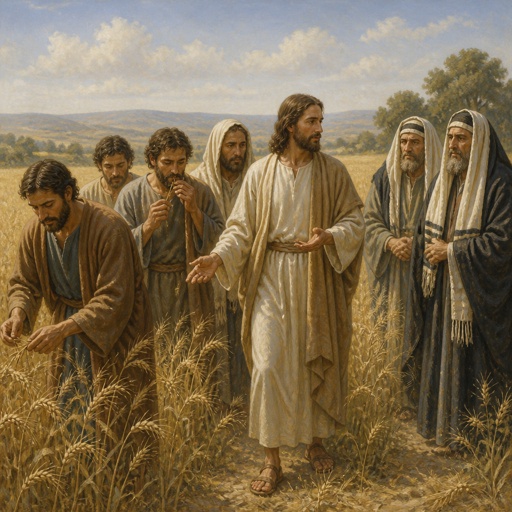
"At that time Jesus went through the grainfields on the Sabbath. His disciples were hungry and began to pick some heads of grain and eat them. When the Pharisees saw this, they said to him, “Look! Your disciples are doing what is unlawful on the Sabbath.” He answered, “Haven’t you read what David did when he and his companions were hungry? He entered the house of God, and he and his companions ate the consecrated bread—which was not lawful for them to do, but only for the priests. Or haven’t you read in the Law that the priests on Sabbath duty in the temple desecrate the Sabbath and yet are innocent? I tell you that something greater than the temple is here. If you had known what these words mean, ‘I desire mercy, not sacrifice,’ you would not have condemned the innocent. For the Son of Man is Lord of the Sabbath.”" - Matthew 12:1-8

Matthew 2:1-12

Matthew 5:1 a 12

Matthew 2:1-12

Matthew 2:1-12

Matthew 5:1 a 12

Matthew 2:1-12

Matthew 1:12 - "And after they were brought to Babylon, Jechonias begat Salathiel; and Salathiel begat Zorobabel;"

Matthew 3:11-12

Matthew 3:11-12

Matthew 3:12

Matthew 3:12

Matthew 23:12

Matthew 7:12

Matthew 23:12

Matthew 7:12

Matthew 3:12
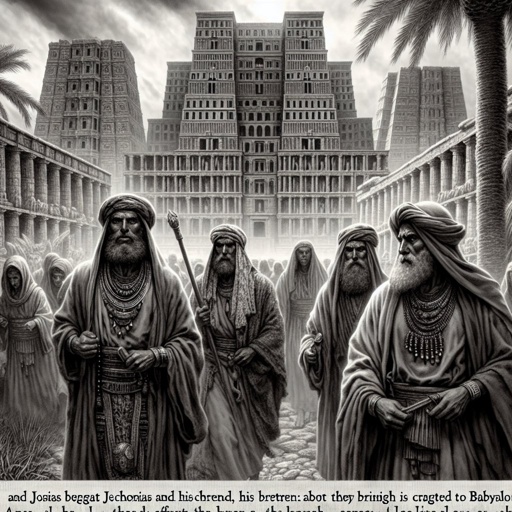
Matthew 1:11-12 - "And Josias begat Jechonias and his brethren, about the time they were carried away to Babylon: And after they were brought to Babylon, Jechonias begat Salathiel; and Salathiel begat Zorobabel."
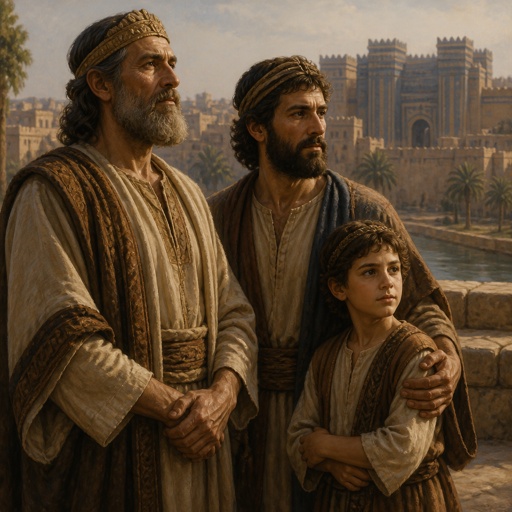
"And after they were brought to Babylon, Jechonias begat Salathiel; and Salathiel begat Zorobabel;" - Matthew 1:12

Matthew 12:36-37

matthew 12:36-37

Matthew 5:8-12

Matthew 12:36-37

Matthew 12:12 - "How much then is a man better than a sheep? Wherefore it is lawful to do well on the sabbath days."

Matthew 10:12 - "And when ye come into an house, salute it."

Matthew 12:21 - "And in his name shall the Gentiles trust."

Matthew 12:16 - "And charged them that they should not make him known:"