The Unforgivable Sin: Understanding Blasphemy Against the Holy Spirit
“Wherefore I say unto you, All manner of sin and blasphemy shall be forgiven unto men: but the blasphemy against the Holy Ghost shall not be forgiven unto men.” — Matthew 12:31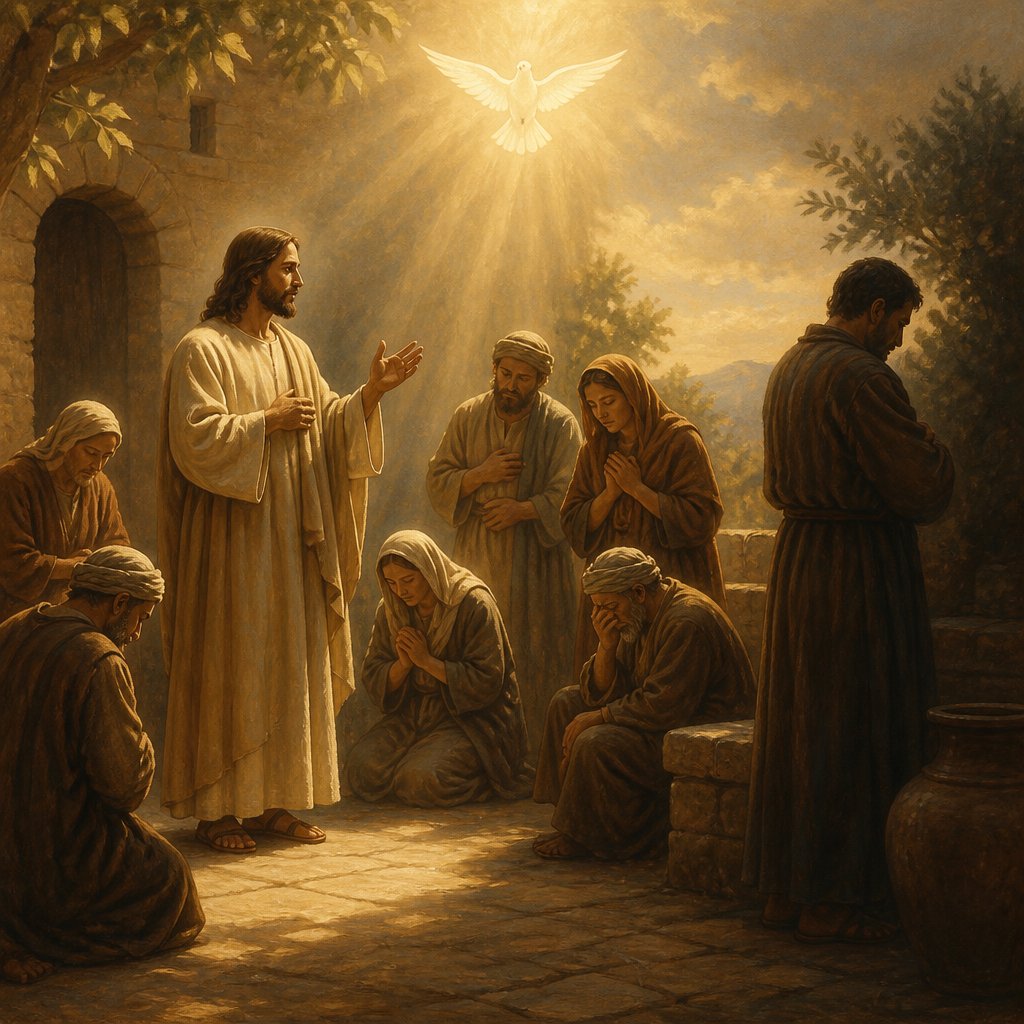
In the realm of Christian theology, few passages evoke as much deliberation, concern, and prayerful contemplation as Matthew 12:31. This profound scripture declares, "Wherefore I say unto you, All manner of sin and blasphemy shall be forgiven unto men: but the blasphemy against the Holy Ghost shall not be forgiven unto men." At first glance, this statement may appear intimidating, as it speaks of a sin that stands apart even from the myriad of transgressions that can be atoned for. It invites us to explore the expansive mercy of God, contrasted dramatically with the gravity of a singular offense.
To truly appreciate the depth of this verse, we must first understand the context in which it was spoken. Jesus, having performed miracles and proclaiming the coming Kingdom, was confronted by the Pharisees, who attributed His miraculous works to Beelzebub, the prince of devils (Matthew 12:24). In an effort to undermine the authority and mission of Christ, they blasphemed the very instrument of God's work—the Holy Spirit. In response, Jesus articulated the unpardonable nature of this blasphemy, not merely to set terms of forgiveness, but to highlight the seriousness of rejecting the Spirit's role in divine revelation and salvation.
To many, the unforgivable sin can seem like a persistent fear, lurking in the shadows of our faith. However, understanding the blasphemy against the Holy Spirit necessitates an exploration of intent, recognition, and response. Blasphemy against the Holy Spirit is fundamentally a conscious, willful rejection of the truth and light that comes from God through the Spirit. It is an utter dismissal of God's active work in our lives and the reality of His presence among us. This is a pivotal distinction: the act of rejection stems from a heart that is hardened against divine love and forgiveness.
When we consider the grace offered through Christ, it becomes evident that the only sin that remains unforgiven is one for which we refuse to seek forgiveness. When we turn away from the Holy Spirit's testimony—the very Spirit that convicts of sin, righteousness, and judgment (John 16:8)—we stand in danger of isolating ourselves from the grace that potentially reconciles us to God. This does not mean that God is unwilling to forgive; rather, it indicates that a heart that continually dismisses the Spirit’s plea is essentially choosing to live outside the reach of God’s forgiving hand.
Thus, the essential response to Matthew 12:31 is not one of trepidation or despair for weeping hearts. Instead, realigning our focus to God's abundant grace is paramount. If you find yourself grappling with doubts about whether you have committed this sin, be encouraged. The very act of wondering, questioning, or seeking forgiveness illustrates a heart that is still responsive to the Holy Spirit’s leading. The danger lies not in the struggle but in a hardened heart that no longer perceives the call of God. We must remember that Christ came to save sinners—a promise underscored throughout scripture.
As believers, let us revere the Holy Spirit’s presence, allowing Him to guide and transform our lives. Embrace the call He places upon your heart to seek repentance and renewal daily. In every moment of sin, pause to confess, repent, and be restored; for every honest cry for mercy reveals a heart still attuned to God.
To conclude this meditation on Matthew 12:31, let us walk in the assurance that, while all manner of sin and blasphemy shall be forgiven, we are invited closer to God through the Holy Spirit's work in our hearts. To be proactive in our faith, continually yielding to the Spirit's prompting, is to live in the fullness of God’s grace—a grace that overcomes all sin, save for that which willingly turns away from Him.
Get our apps


Artwork for Matthew 12:31

Matthew 12:31 - "¶ Wherefore I say unto you, All manner of sin and blasphemy shall be forgiven unto men: but the blasphemy against the Holy Ghost shall not be forgiven unto men."

Matthew 12:31-32 - "And so I tell you, every kind of sin and slander can be forgiven, but blasphemy against the Spirit will not be forgiven. Anyone who speaks a word against the Son of Man will be forgiven, but anyone who speaks against the Holy Spirit will not be forgiven, either in this age or in the age to come."
"¶ Wherefore I say unto you, All manner of sin and blasphemy shall be forgiven unto men: but the blasphemy against the Holy Ghost shall not be forgiven unto men." - Matthew 12:31
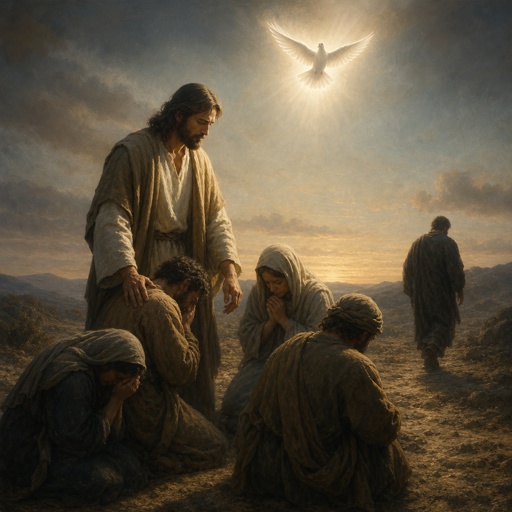
"And so I tell you, every kind of sin and slander can be forgiven, but blasphemy against the Spirit will not be forgiven. Anyone who speaks a word against the Son of Man will be forgiven, but anyone who speaks against the Holy Spirit will not be forgiven, either in this age or in the age to come." - Matthew 12:31-32

Titus 3:1-2
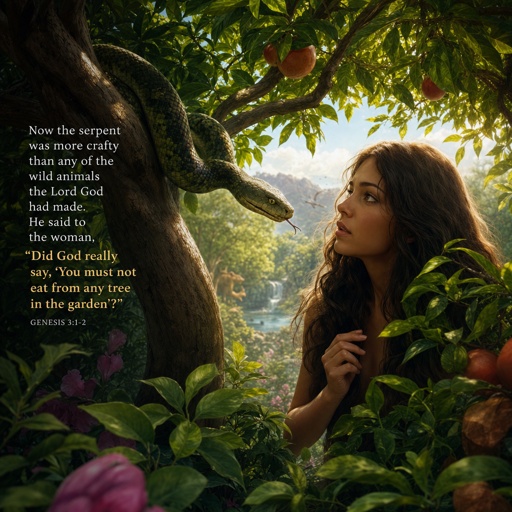
Genesis 3: 1-2

Titus 3:1-2

matthew 25:31

Matthew 21:31

Matthew 24:30-31

Matthew 24:30-31

Matthew 24:30-31

Matthew 24:30-31

Matthew 24:30-31

Matthew 24:30-31

Matthew 24:30-31

Matthew 24:30-31

Matthew 24:30-31

Matthew 24:30-31

Matthew 10:31 - "Fear ye not therefore, ye are of more value than many sparrows."

Matthew 9:31 - "But they, when they were departed, spread abroad his fame in all that country."

Exodus 31:12 - "¶ And the LORD spake unto Moses, saying,"

1 Sam 31: 12-13

Matthew 23:31 - "Wherefore ye be witnesses unto yourselves, that ye are the children of them which killed the prophets."

Matthew 3:11-12

Matthew 3:11-12

Matthew 22:31 - "But as touching the resurrection of the dead, have ye not read that which was spoken unto you by God, saying,"

Matthew 3:12

Matthew 3:12

Matthew 23:12