What does Matthew 12:31 mean?
“Wherefore I say unto you, All manner of sin and blasphemy shall be forgiven unto men: but the blasphemy against the Holy Ghost shall not be forgiven unto men.” — Matthew 12:31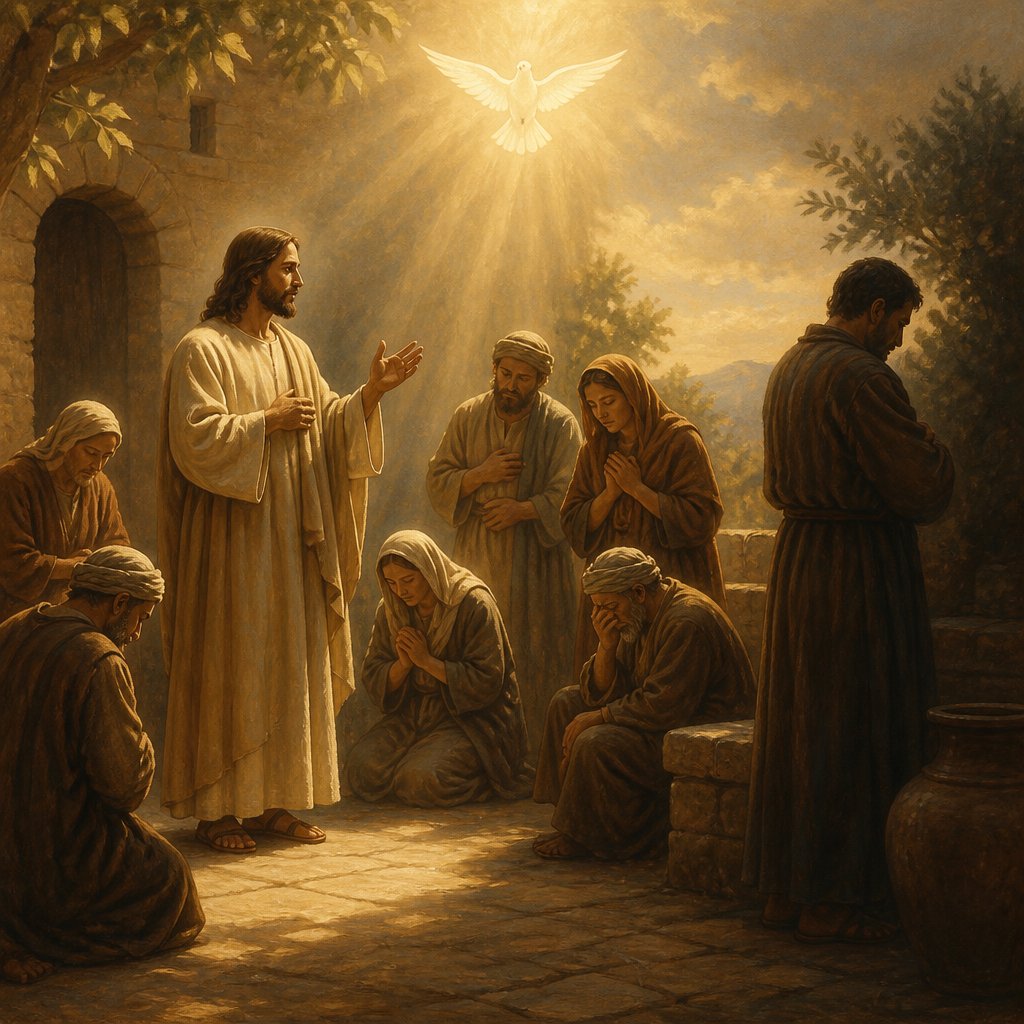
Matthew 12:31 from the King James Version (KJV) of the Bible states, "Wherefore I say unto you, All manner of sin and blasphemy shall be forgiven unto men: but the blasphemy against the Holy Ghost shall not be forgiven unto men."
This statement by Jesus Christ is significant due to its implications for the human soul and the concept of divine forgiveness. The verse begins with the phrase "Wherefore I say unto you," indicating that Jesus is about to impart a crucial teaching to his disciples and the crowd gathered around him. This sets the stage for a profound revelation about the forgiveness of sins and the consequences of blasphemy against the Holy Spirit.
One of the central themes in this verse is the idea of forgiveness. Jesus affirms that "all manner of sin and blasphemy shall be forgiven unto men," emphasizing the boundless mercy and grace of God. This assertion reflects the fundamental message of Christianity, which teaches that through Jesus Christ, all people have the opportunity to be reconciled with God and receive forgiveness for their transgressions. This verse conveys the magnitude of God's willingness to forgive, regardless of the nature or severity of the sin committed.
However, the verse takes a striking turn with the warning that "the blasphemy against the Holy Ghost shall not be forgiven unto men." This statement introduces the concept of an unpardonable sin, which has generated significant theological debate and speculation throughout the history of Christianity. Blasphemy against the Holy Spirit is often considered to be the deliberate and persistent rejection of the work and presence of the Holy Spirit, ultimately leading to a state of spiritual hardness and unrepentance. This refusal to acknowledge and accept the influence of the Holy Spirit represents a complete rejection of God's redemptive power and mercy, thus rendering the individual permanently estranged from divine forgiveness.
The context in which Jesus delivers this teaching is essential for understanding its significance. This verse is part of a larger passage in which Jesus confronts the Pharisees who accused him of casting out demons by the power of Beelzebub, the prince of demons. In response, Jesus warns them about the seriousness of their blasphemy against the Holy Spirit, indicating that their hardened hearts and refusal to recognize the divine authority behind his actions constitute a grave offense against God.
Symbolism plays a crucial role in the interpretation of this verse. The Holy Spirit is often associated with the divine presence and power of God, functioning as the agent of spiritual transformation and revelation. The rejection of the Holy Spirit symbolizes a rejection of God's grace and truth, leading to a state of spiritual estrangement and alienation. This symbolism underscores the severity of the unpardonable sin, highlighting the profound implications of turning away from the source of divine forgiveness and redemption.
In summary, Matthew 12:31 from the KJV of the Bible conveys a profound message about the limitless forgiveness offered by God, while also warning against the dire consequences of blasphemy against the Holy Spirit. This verse emphasizes the pivotal role of the Holy Spirit in the process of salvation and spiritual renewal, underscoring the gravity of rejecting the divine influence and grace. By examining the themes, context, and symbolism of this verse, we gain a deeper understanding of the theological implications surrounding the unpardonable sin and the boundless mercy of God.
Get our apps


Artwork for Matthew 12:31

Matthew 12:31 - "¶ Wherefore I say unto you, All manner of sin and blasphemy shall be forgiven unto men: but the blasphemy against the Holy Ghost shall not be forgiven unto men."

Matthew 12:31-32 - "And so I tell you, every kind of sin and slander can be forgiven, but blasphemy against the Spirit will not be forgiven. Anyone who speaks a word against the Son of Man will be forgiven, but anyone who speaks against the Holy Spirit will not be forgiven, either in this age or in the age to come."
"¶ Wherefore I say unto you, All manner of sin and blasphemy shall be forgiven unto men: but the blasphemy against the Holy Ghost shall not be forgiven unto men." - Matthew 12:31
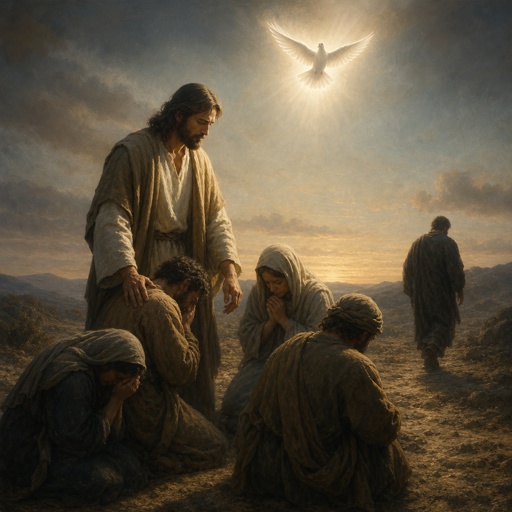
"And so I tell you, every kind of sin and slander can be forgiven, but blasphemy against the Spirit will not be forgiven. Anyone who speaks a word against the Son of Man will be forgiven, but anyone who speaks against the Holy Spirit will not be forgiven, either in this age or in the age to come." - Matthew 12:31-32

Titus 3:1-2

Genesis 3: 1-2

Titus 3:1-2

matthew 25:31

Matthew 21:31

Matthew 24:30-31

Matthew 24:30-31

Matthew 24:30-31

Matthew 24:30-31

Matthew 24:30-31

Matthew 24:30-31

Matthew 24:30-31

Matthew 24:30-31

Matthew 24:30-31

Matthew 24:30-31

Matthew 10:31 - "Fear ye not therefore, ye are of more value than many sparrows."

Matthew 9:31 - "But they, when they were departed, spread abroad his fame in all that country."

Exodus 31:12 - "¶ And the LORD spake unto Moses, saying,"

1 Sam 31: 12-13

Matthew 23:31 - "Wherefore ye be witnesses unto yourselves, that ye are the children of them which killed the prophets."

Matthew 3:11-12

Matthew 3:11-12

Matthew 22:31 - "But as touching the resurrection of the dead, have ye not read that which was spoken unto you by God, saying,"

Matthew 3:12

Matthew 3:12

Matthew 23:12