Unlocking the Divine Mysteries: Understanding Parables
"And the disciples came, and said unto him, Why speakest thou unto them in parables?" - Matthew 13:10

In the thirteenth chapter of Matthew, we encounter one of the most profound interactions between Jesus and His disciples regarding the use of parables. The verse states, "And the disciples came, and said unto him, Why speakest thou unto them in parables?" (Matthew 13:10 KJV). This moment holds profound significance, revealing not only the heart of Christ’s teaching but also the spiritual framework within which we are invited to understand the Kingdom of God.
Throughout His ministry, Jesus often communicated deep, divine truths through stories and illustrations known as parables. These are simple narratives that evoke rich meanings, designed to provoke thought and reflection. The disciples, eager to understand more about the depths of Jesus' teachings, ask a critical question: why speakest thou unto them in parables? This inquiry is not merely about the mechanics of Jesus’ teaching style; it speaks volumes about the disciples' desire for clarity and deeper insights.
At the heart of this question lies the tension between spiritual revelation and human understanding. Parables serve as a bridge between these realms. For the average listener, parables convey truths in a relatable manner. Yet, they also harbor layers of meaning that can only be unlocked through spiritual insight. By responding to the disciples' inquiry, Jesus emphasizes that while everyone may hear the words, only those with the right disposition of heart can perceive and embrace the divine truths contained within.
In Matthew 13:11, Jesus answers their question: "He answered and said unto them, Because it is given unto you to know the mysteries of the kingdom of heaven, but to them it is not given." Here, He makes a remarkable distinction. Understanding the sacred mysteries—those profound insights into the nature of God and His Kingdom—is a grace bestowed upon those who earnestly seek Him. This invitation to comprehend more deeply is contrasted with the condition of those whose hearts remain closed, uninterested, or hardened.
The use of parables, then, reflects a dual purpose in Jesus’ ministry: it reveals truth to the open-hearted while simultaneously concealing it from the hard-hearted. Jesus aimed to provoke curiosity and invite deeper investigation. The parables acted as keys to unlock the hearts of those willing to listen and reflect.
As believers today, we must reflect on this invitation from Jesus. Are we approaching His teachings with an open heart? Are we willing to delve into the mysteries He reveals through His words and actions? The parables extend beyond mere stories; they are invitations to spiritual journeying—a challenge to move beyond surface-level understanding to a deeper relationship with Christ. When we read a parable, we should ask ourselves: what is the Spirit saying to me through this narrative? How am I being called to live in light of this truth?
Jesus’ teaching method underscores the importance of spiritual readiness. It reminds us that revelation is a matter of grace, but it also requires our active participation. God desires for us to engage with Him, to wrestle with His word, and to seek understanding through prayer and meditation. The Holy Spirit is our guide in this process, ready to illuminate our minds and hearts when we approach Scripture with humility and expectation.
In our daily lives, we encounter situations that require us to interpret the world around us. Often, these can feel like parables themselves, filled with lessons about faith, trust, and obedience. If we approach life with the same inquiry as the disciples, asking God to reveal His truths to us, we can apply the wisdom from these parables to navigate our interactions and decisions.
Ultimately, Jesus' response to the disciples serves as an enduring reminder: understanding the Kingdom requires more than hearing; it demands a heart that seeks, questions, and welcomes revelation. Let us, therefore, be a generation willing to explore the parables of Christ—not merely for knowledge’s sake, but in pursuit of a transformative relationship with our Savior. As we seek to know Him more, may His mysteries unfold in our lives, guiding us closer to His heart.
Want to reflect more on Matthew 13:10?
Continue your spiritual journey with Bible Chat — an AI-powered tool for exploring God's Word through conversation. Ask questions, discover connections, and deepen your understanding.
Get Our Apps


Matthew 13:10 Artwork

Matthew 13:10 - "And the disciples came, and said unto him, Why speakest thou unto them in parables?"

"And the disciples came, and said unto him, Why speakest thou unto them in parables?" - Matthew 13:10

Matthew 10:13 - "And if the house be worthy, let your peace come upon it: but if it be not worthy, let your peace return to you."

Matthew 13

Matthew 8:13

Matthew 8:13

Matthew 8:13

Matthew 13

matthew 15 matthew 15:10
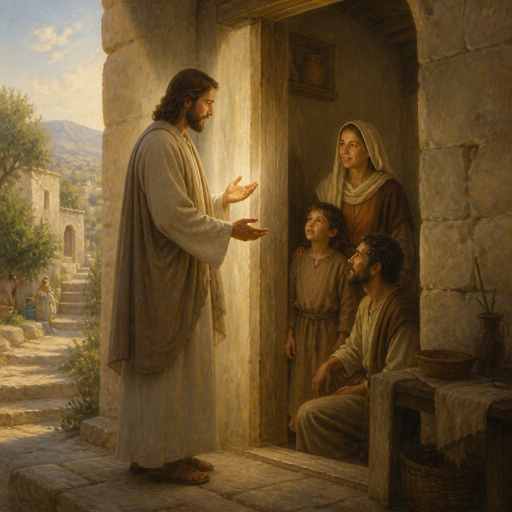
"And if the house be worthy, let your peace come upon it: but if it be not worthy, let your peace return to you." - Matthew 10:13

Matthew 7:13-14

Matthew 7:13-14

Matthew 7:13-14

Matthew 7:13-14

Matthew 7:13-14

Matthew 7:13-14

Matthew 7:13-14

Matthew 7:13-14

Matthew 7:13-14

Matthew 7:13-14

Matthew 7:13-14

Matthew 7:13

Matthew 2:13

Matthew 13:8

Matthew 6:13

Matthew 2:13

Matthew 19:13

Matthew 1:10

Matthew 18:10

Matthew 1:10