The Enemy Among Us: Understanding the Parable of the Weeds
“He said unto them, An enemy hath done this. The servants said unto him, Wilt thou then that we go and gather them up?” — Matthew 13:28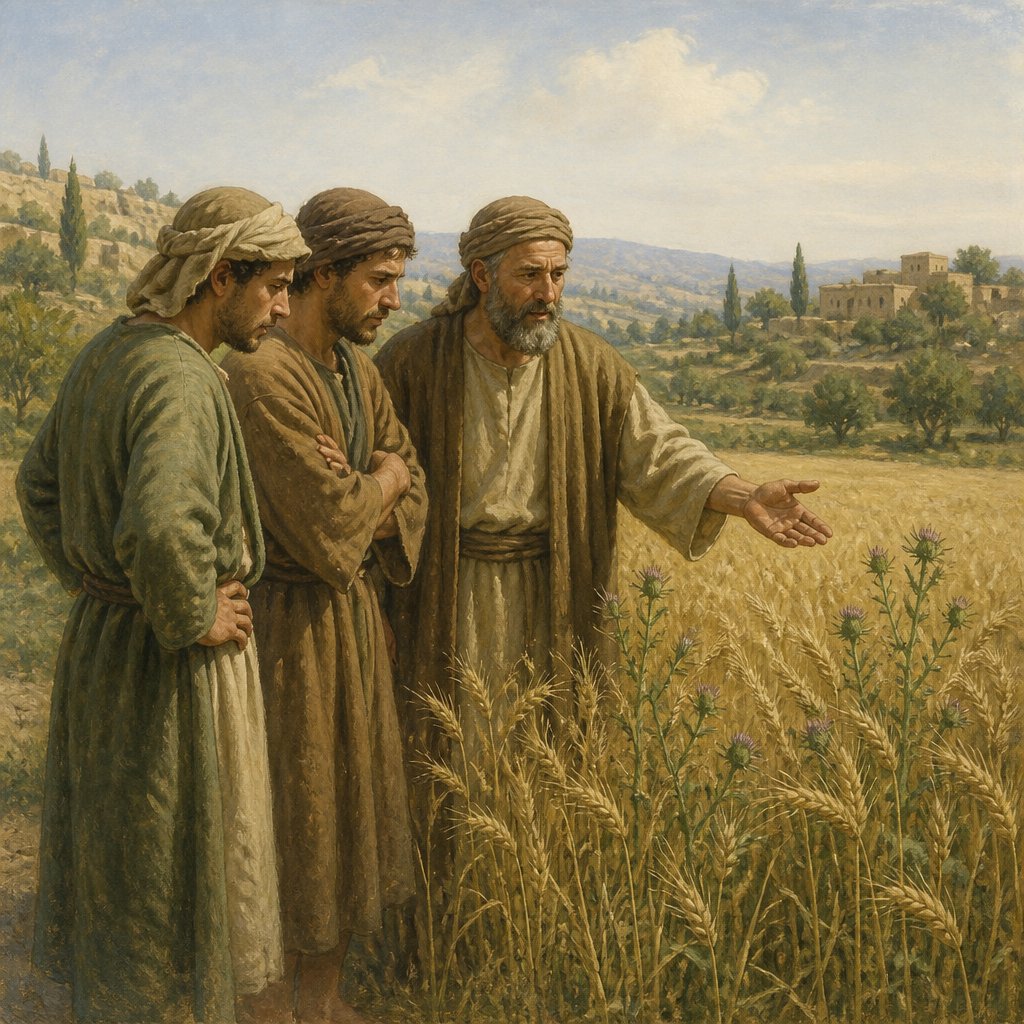
The verse from Matthew 13:28, "He said unto them, An enemy hath done this. The servants said unto him, Wilt thou then that we go and gather them up?" unveils the layers of a profound parable spoken by Jesus about the Kingdom of Heaven. This verse occurs within the context of the Parable of the Weeds, a story that illustrates the coexistence of good and evil in the world. As we reflect on this, we uncover vital lessons on discernment, patience, and the ultimate sovereignty of God.
In the Parable of the Weeds, a man sows good seed in his field, but while he sleeps, an enemy comes and sows tares (weeds) among the wheat. This is a vivid metaphor for how the enemy (Satan) works in the world, subtly inserting evil among good. The immediate reaction of the servants upon discovering the weeds is pivotal: they inquire if they should go and uproot them. Herein lies the first lesson: our inclination is often to take immediate action against that which we perceive as evil. However, the master’s response provides a deeper wisdom.
He instructs them not to uproot the weeds lest they also harm the wheat in the process. This response calls for the necessity of discernment. In our own lives, we often face situations where we witness injustice, sin, or wrongful actions—both in ourselves and in others. Our instinct may urge us toward swift retribution or separation, yearning for a pure environment. Yet, in God’s vision for the world, it is crucial to understand that in our efforts to eradicate evil, we must tread carefully, lest we also uproot good.
The parable emphasizes patience and a long-term perspective. It assures us that God is the ultimate judge. The harvest, when the weeds will be gathered and burned while the wheat is gathered into the barn, represents the Day of Judgment. This reminder comforts us, especially when confronted with pervasive evil or when we are filled with frustration by the injustice we witness in our lives and communities. The understanding that God sees and will address every wrong action brings solace to our hearts. It also displays His grace; God allows time for repentance and transformation, extending kindness even to the enemy until the final harvest.
Additionally, there’s a personal angle we should not overlook. Sometimes, we are the weeds in others’ gardens. We face moments where our weaknesses, sins, and struggles might influence the lives of those around us. The reality of our human condition means we are not incapsulated in either being wholly good or wholly bad. The beauty of God’s work in us is evident when we realize that He is cultivating us even amidst our failings.
In contemplative response, we need to ask ourselves: are we willing to allow God to work through us and our flaws? Are we patient enough to let Him weed out the undesirable parts of our lives instead of rushing to eliminate them on our own terms?
Strengthened by this parable, we can cultivate a spirit of humility. Rather than being quick to judge or act against others, we ought to seek God’s heart, discerning how to promote growth in ourselves and others.
In conclusion, Matthew 13:28 urges us to recognize the enemy’s work in the world while also guiding us to trust in God’s perfect timing and righteousness. Let us embrace the wisdom of the master, exercise patience, and extend grace to others as we navigate our journeys. As we await the final harvest, may we commit ourselves to being wheat in a world full of weeds, demonstrating the transformative love of Christ in every situation.
Get our apps


Artwork for Matthew 13:28
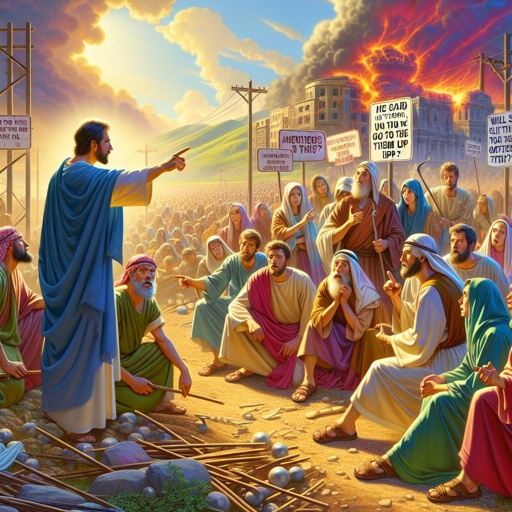
Matthew 13:28 - "He said unto them, An enemy hath done this. The servants said unto him, Wilt thou then that we go and gather them up?"
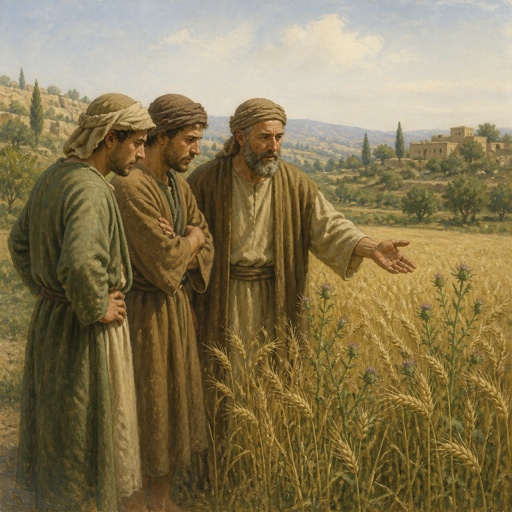
"He said unto them, An enemy hath done this. The servants said unto him, Wilt thou then that we go and gather them up?" - Matthew 13:28

Matthew 28:13 - "Saying, Say ye, His disciples came by night, and stole him away while we slept."
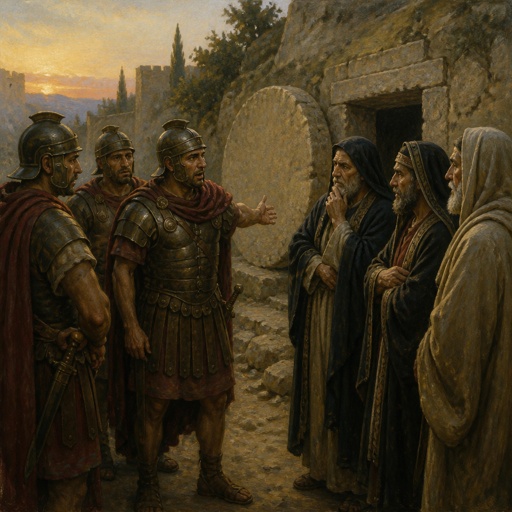
"Saying, Say ye, His disciples came by night, and stole him away while we slept." - Matthew 28:13

matthew 28:19

matthew 28:19

MATTHEW 28: 23

matthew 8:28

Matthew 23:28

Matthew 28:11

Matthew 23:28
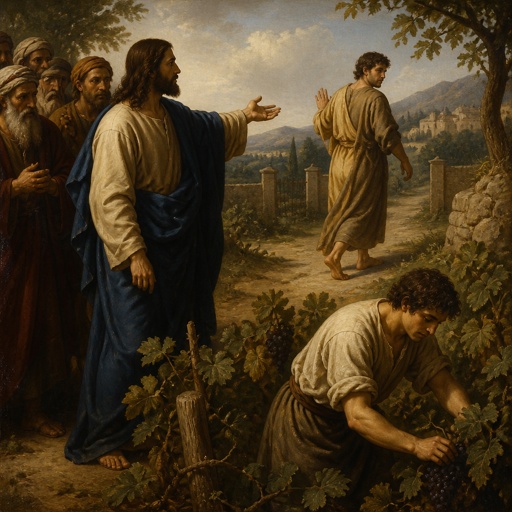
Matthew 21:28-32

Matthew 28:19-20

Matthew 28: 19-20

Matthew 28:19-20

Matthew 28:19-20

Matthew 24:28 - "For wheresoever the carcase is, there will the eagles be gathered together."

Genesis 28-13

Ezekiel 28:13

Matthew 13

Matthew 27:28 - "And they stripped him, and put on him a scarlet robe."

Matthew 8:13

Matthew 8:13

Matthew 8:13

Matthew 28:17 - "And when they saw him, they worshipped him: but some doubted."

Matthew 13

Mark 13:28-37

Mark 13:28-37

Matthew 28:4 - "And for fear of him the keepers did shake, and became as dead men."

Matthew 28:3 - "His countenance was like lightning, and his raiment white as snow:"