Unlocking Divine Wisdom: The Purpose of Parables
“That it might be fulfilled which was spoken by the prophet, saying, I will open my mouth in parables; I will utter things which have been kept secret from the foundation of the world.” — Matthew 13:35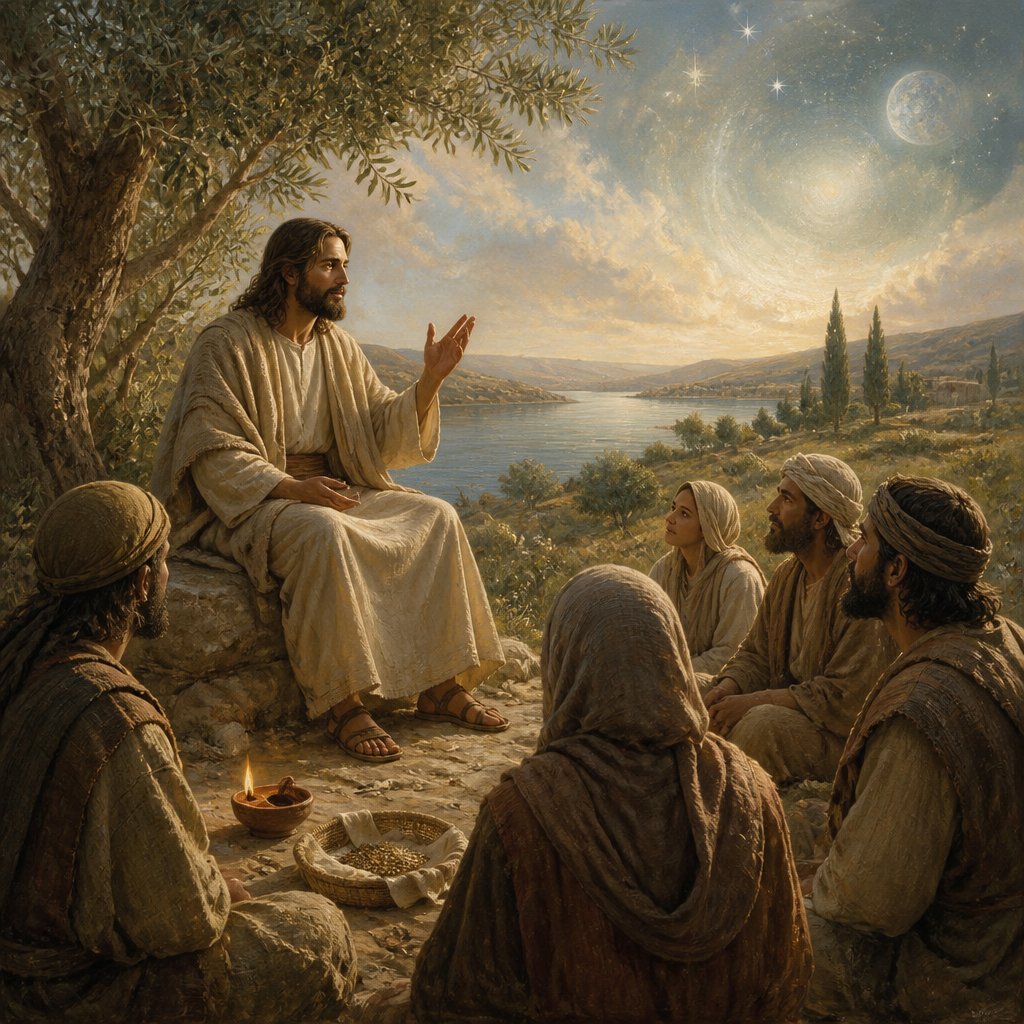
In Matthew 13:35, we read, "That it might be fulfilled which was spoken by the prophet, saying, I will open my mouth in parables; I will utter things which have been kept secret from the foundation of the world." This verse encapsulates the profound and transformative teaching method employed by Jesus. It invites us to delve deep into the nature of God’s revelation and encourage us to explore the mysteries of His Kingdom.
Parables served as a divine method of communication, one that transcends the barriers of ordinary language and intellectual comprehension. By presenting spiritual truths through familiar stories and everyday scenarios, Jesus made the profound accessible to all. In His approach, He honored both the wisdom of the ages and the need for simplicity—offering not just intellectual stimulation but spiritual nourishment for those willing to listen.
As we contemplate this verse, it is essential to appreciate the prophetic nature of Jesus' words. The phrase "which have been kept secret from the foundation of the world" alludes to the long-hidden truths that God had planned to unveil in His perfect timing. Throughout history, the people of God longed for revelation; they sought understanding in their trials, waiting for the promised Messiah. In Christ, the secrets are unveiled.
Imagine the weight of those long-held mysteries—a promise of Redemption that had been veiled under layers of time and the shadow of sin. The secrets of God’s kingdom are far removed from mere human wisdom; they are truths that require a heart open to divine revelation. Jesus, by using parables, invites us into a deeper understanding of ourselves, our relationship with God, and the world around us. Each story is an invitation to discover layers of meaning that defy an immediate grasp.
We might question why God would choose parables for such important revelations. Part of the answer lies in the nature of faith; it invites us into dialogue, encouraging exploration and personal engagement with the truth. A parable demands contemplation and reflection. When we hear the story of the Good Samaritan or the Prodigal Son, we are not merely passive consumers of information. Instead, we are compelled to grapple with our own beliefs, biases, and understanding of love, mercy, and grace. This engagement forms deeper roots of faith within us.
However, parables offer a dual response. To the open-hearted who earnestly seek God’s truth, they illuminate with divine clarity, revealing the nature of heaven and igniting passion for the Kingdom. Yet, to those who choose to remain indifferent, these stories can be perplexing, ambiguous, and opaque, highlighting a poignant theme of spiritual receptiveness and the heart’s condition. The challenge is clear: we must be ready and willing to receive.
The wisdom shared through Jesus’ parables reaches beyond time and culture to meet us where we are today. Each parable is a promise of engagement from God, an invitation to participate in His divine narrative. They remind us that the secrets of the Kingdom are not merely for the elite or wise but are accessible to all who humbly seek.
When we meditate on Matthew 13:35, we should ask ourselves, "What hidden truths of God am I ready to uncover in my life today?" Perhaps it's a nudge to extend grace to someone who has wronged us or a reminder to trust God in a season of uncertainty. The Kingdom of God is not just a future promise; it is a present reality, unfolding right now through the revelations of Jesus, bringing hope, transformation, and divine wisdom.
In closing, let us keep our hearts open, ready to receive the lessons wrapped in the simple stories of the Master Teacher. As we engage with His Word, let the mysteries of His grace and truth unfold in our hearts and through our lives, welcoming the revelation of His faithful promises. May we revel in the secrets of the Kingdom, ever eager to learn and grow in our relationship with Him.
Get our apps


Artwork for Matthew 13:35

Matthew 13:35 - "That it might be fulfilled which was spoken by the prophet, saying, I will open my mouth in parables; I will utter things which have been kept secret from the foundation of the world."
"That it might be fulfilled which was spoken by the prophet, saying, I will open my mouth in parables; I will utter things which have been kept secret from the foundation of the world." - Matthew 13:35

Matthew 24:35

Matthew 24:35

Matthew 24:35

Matthew 24:35

Matthew 24:35

Matthew 24:35

Matthew 24:35

Matthew 24:35

Matthew 24:35

Matthew 24:35

Matthew 27:35
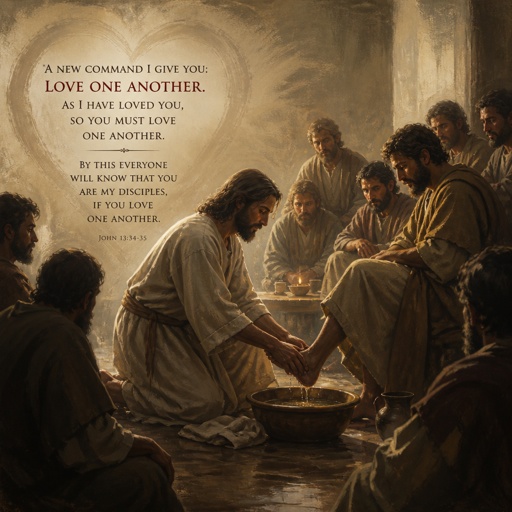
John 13: 34-35

Matthew 15:35 - "And he commanded the multitude to sit down on the ground."

Luke 24:13-35

John 13:31-35

Matthew 5:35 - "Nor by the earth; for it is his footstool: neither by Jerusalem; for it is the city of the great King."

Matthew 24:35 - "Heaven and earth shall pass away, but my words shall not pass away."

Matthew 22:35 - "Then one of them, which was a lawyer, asked him a question, tempting him, and saying,"

Matthew 21:35 - "And the husbandmen took his servants, and beat one, and killed another, and stoned another."

The Plague of Hail - Exodus 9:13-35

The Plague of Hail - Exodus 9:13-35

Leviticus 13:35 - "But if the scall spread much in the skin after his cleansing;"

Exodus 35:13 - "The table, and his staves, and all his vessels, and the shewbread,"

Job 35:13 - "Surely God will not hear vanity, neither will the Almighty regard it."

The Plague of Hail - Exodus 9:13-35

The Plague of Hail - Exodus 9:13-35

Matthew 13

Mark 13:35 (KJVA) 35 Watch ye therefore: for ye know not when the master of the house cometh, at even, or at midnight, or at the cockcrowing, or in the morning: