The Carpenter's Legacy: Understanding Our Roots in Christ
“Is not this the carpenter’s son? is not his mother called Mary? and his brethren, James, and Joses, and Simon, and Judas?” — Matthew 13:55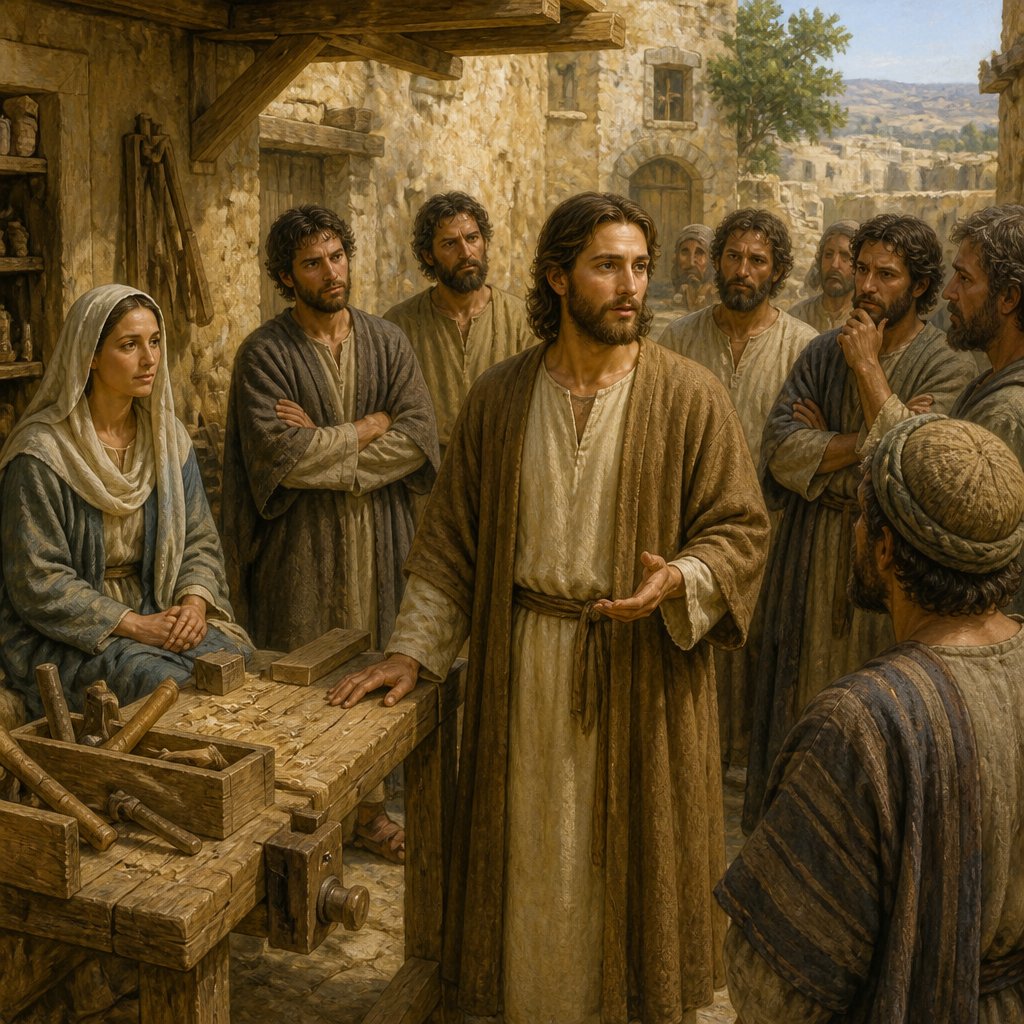
In the Gospel of Matthew, amidst the accounts of miracles and parables, we come across a profound moment of revelation and skepticism in Matthew 13:55, which states, "Is not this the carpenter's son? is not his mother called Mary? and his brethren, James, and Joses, and Simon, and Judas?" These questions, posed by the people of Nazareth, resonate with the human tendency to underestimate the familiar and the ordinary. They remind us of the transformative power that our roots—our families and backgrounds—can have on our lives.
To unpack the essence of this scripture, we must first understand the context; it reveals the disbelief of Jesus' hometown people, who could not reconcile the miraculous works of the Messiah with the simple life of a carpenter's son. The term "carpenter" evokes simplicity, hard work, and a common trade that many of them could relate to. In their eyes, Jesus' identity as the son of a carpenter seemingly invalidated His divine authority. This situation mirrors our lives today, where we often find it hard to perceive greatness in ordinary circumstances. We might dismiss what God is doing in our lives because it does not come wrapped in the expected fineries of influence or wealth.
Jesus' mother, Mary, was also a point of reference in the townsfolk’s skepticism. They regarded her as just another woman in Nazareth rather than the one who bore the Messiah, emphasizing the commonality over the miraculous. The mentions of His earthly brothers—James, Joses, Simon, and Judas—further ground Him in a familiar familial context that shocked their minds when confronted with His authority and wisdom. They saw Him as an ordinary man while He was, in fact, the extraordinary fulfillment of prophecy and the long-awaited Savior.
This passage challenges us to consider how we view our own backgrounds and experiences. Each of us comes from a specific lineage, heritage, and set of experiences, but how often do we overlook the potential God has placed in our lives through our humble beginnings? Jesus' humble upbringing in Nazareth reminds us that our past does not dictate our future. Instead, it positions us for the unique purposes that God has in store. Jesus did not choose to be born a king, but rather a carpenter’s son. He embraced the ordinary and used it as a foundation to showcase the extraordinary work of God.
Moreover, this verse compels us to acknowledge the power of community. The townspeople’s familiarity with Jesus leads them to a place of skepticism rather than belief. As Christians, we must be careful not to fall into a similar snare with those around us—overlooking their potential for greatness because of our familiarity with their backgrounds. We must strive to honor and believe in the calling on others’ lives, regardless of how ordinary their situations may seem.
In our pursuit of faith, we often seek the spectacular, longing for mountaintop encounters with God, but Scripture reminds us that God frequently works through the mundane. He crafted the world through His word, but He also worked quietly in the silence of homes, such as the one in Nazareth where Jesus grew up. In our moments of doubt, when we question our qualifications or underestimate our capabilities, we must remember that God takes the ordinary and infuses it with His power.
As we walk our faith journey, let’s honor our roots while also looking ahead at the miraculous path that God reveals through His grace. Let us not box in the work of the Holy Spirit simply because it appears humble or commonplace. Instead, may we always be willing to see the extraordinary in the familiar and embrace the legacy of the Carpenter’s Son in our lives.
Get our apps


Artwork for Matthew 13:55

Matthew 13:55 - "Is not this the carpenter's son? is not his mother called Mary? and his brethren, James, and Joses, and Simon, and Judas?"
"Is not this the carpenter's son? is not his mother called Mary? and his brethren, James, and Joses, and Simon, and Judas?" - Matthew 13:55

Psalms 55:13 - "But it was thou, a man mine equal, my guide, and mine acquaintance."

Matthew 27:55 - "And many women were there beholding afar off, which followed Jesus from Galilee, ministering unto him:"
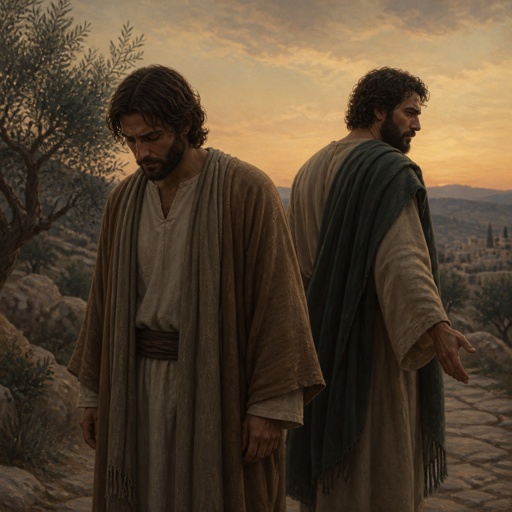
"But it was thou, a man mine equal, my guide, and mine acquaintance." - Psalms 55:13

Isaiah 55:13 - "Instead of the thorn shall come up the fir tree, and instead of the brier shall come up the myrtle tree: and it shall be to the LORD for a name, for an everlasting sign that shall not be cut off."

Matthew 27:55-56 - "And many women were there beholding afar off, which followed Jesus from Galilee, ministering unto him: Among which was Mary Magdalene, and Mary the mother of James and Joses, and the mother of Zebedee's children."

Matthew 26:55 - "In that same hour said Jesus to the multitudes, Are ye come out as against a thief with swords and staves for to take me? I sat daily with you teaching in the temple, and ye laid no hold on me."

Leviticus 13:55 - "And the priest shall look on the plague, after that it is washed: and, behold, if the plague have not changed his colour, and the plague be not spread; it is unclean; thou shalt burn it in the fire; it is fret inward, whether it be bare within or without."

Matthew 13
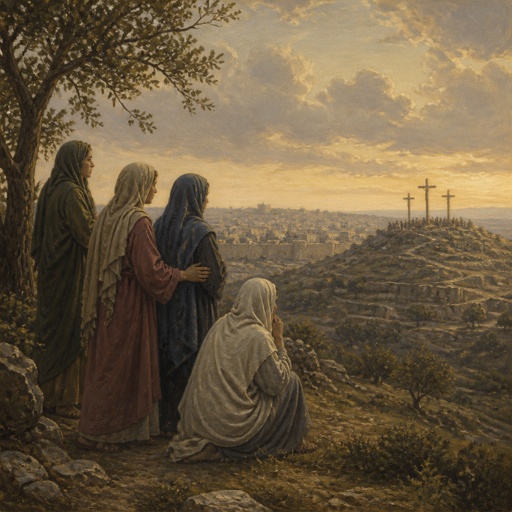
"And many women were there beholding afar off, which followed Jesus from Galilee, ministering unto him:" - Matthew 27:55

Matthew 8:13

Matthew 8:13

Matthew 8:13

Matthew 13

Matthew 7:13-14

Matthew 7:13-14

Matthew 7:13-14

Matthew 7:13-14

Matthew 7:13-14

Matthew 7:13-14

Matthew 7:13-14

Matthew 7:13-14

Matthew 7:13-14

Matthew 7:13-14

Matthew 7:13-14

Matthew 2:13

Matthew 7:13

Matthew 13:8

Matthew 2:13