Childlike Greatness: The Kingdom of Heaven's Value System
"At the same time came the disciples unto Jesus, saying, Who is the greatest in the kingdom of heaven?" - Matthew 18:1
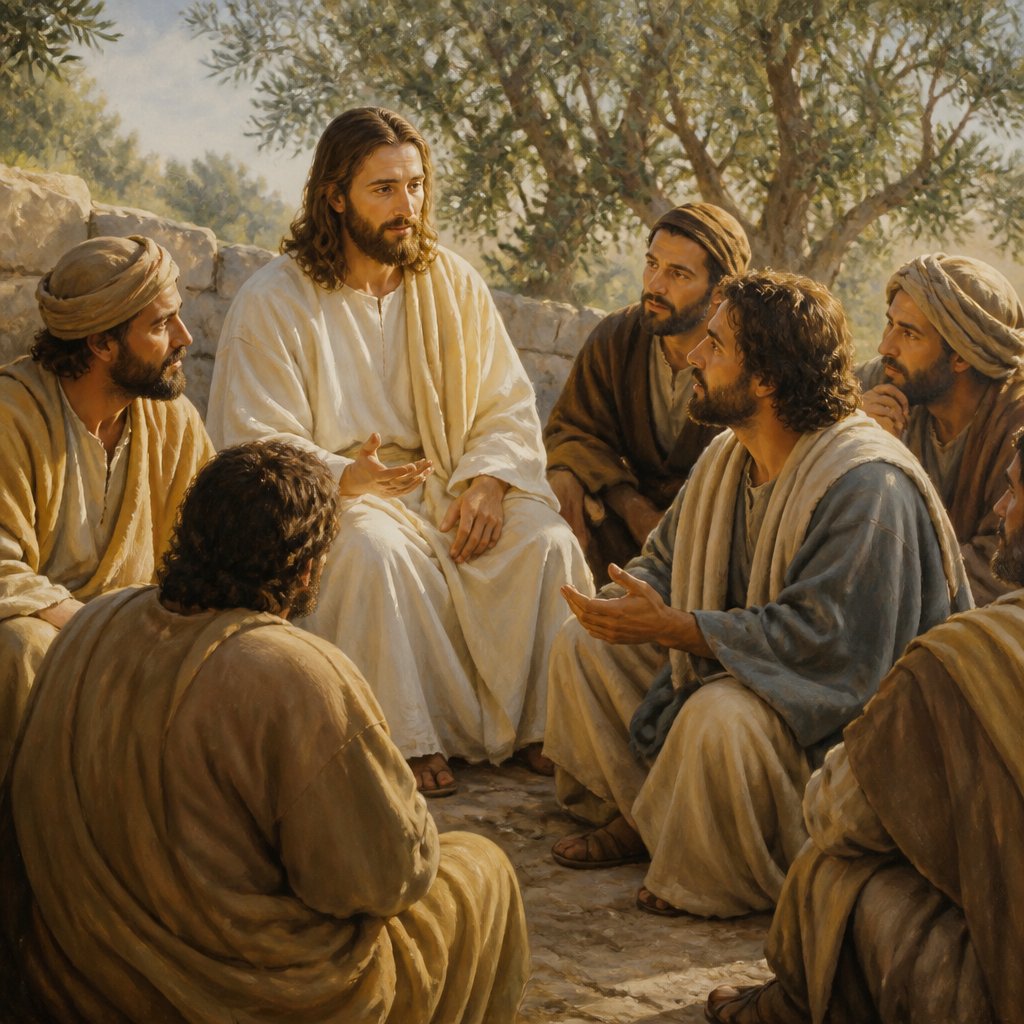
In Matthew 18:1, we read, "At the same time came the disciples unto Jesus, saying, Who is the greatest in the kingdom of heaven?" This question, posed by the disciples, is profound and reflects the human tendency to measure greatness in ways that often align with worldly standards. However, Jesus’ response, and what he demonstrates in this chapter, will challenge our understanding of greatness and lead us into a deeper understanding of the values of the Kingdom of Heaven.
The disciples’ inquiry is not an uncommon one; it speaks to a universal desire for recognition and affirmation. In a world that often equates power, prestige, and wealth with greatness, the disciples anticipated a hierarchy in Jesus' kingdom—much like the hierarchies they had known in their own culture. They likely envisioned that Jesus, as their leader, would recognize their individual accomplishments or status among one another.
Yet, Jesus’ response in the following verses exemplifies the radical nature of His teaching. He calls a little child to Him, placing the child in front of them. In Matthew 18:4, He declares, "Whosoever therefore shall humble himself as this little child, the same is greatest in the kingdom of heaven." Jesus illustrates not only the concept of humility but the necessity of childlike faith to enter the kingdom of God.
To approach the kingdom as a little child involves several key attributes. First and foremost is the quality of humility. Children, in their innocence and vulnerability, embody a sense of dependency on others. They do not come with a list of accomplishments or accolades; rather, they trust fully in those who care for them. This humility is essential in our relationship with God. Coming before the Lord with a heart that acknowledges our limitations and reliance on His grace opens the door for us to experience true greatness in His eyes.
Secondly, children are often characterized by their trust. They believe what they are told without skepticism or doubt. When we come to Jesus, we are called to abandon our questioning hearts and accept His words in faith. This goes beyond intellectual agreement; it speaks to a deep-seated trust in His character and promises. In the eyes of the world, trusting blindly may seem foolish, yet God honors that trust, proclaiming it as greatness in His kingdom.
Moreover, children exhibit a sense of wonder and joy that is often lost in the hustle of adulthood. They find joy in simple things, and they possess an eagerness to learn. This sense of wonder fuels a lifelong relationship with God, as we come to Him not only seeking understanding but engaging with Him joyfully and expectantly. Thus, embracing childlike faith invites us into a joyful recognition of God's presence in our lives, illuminating our path with the light of His grace.
As we reflect on Jesus’ answer— "The greatest in the kingdom of heaven" is the one who humbles themselves like a child—what does this mean for us today? It calls us to reevaluate how we measure success and greatness in our own lives. Rather than pursuing accolades or recognition in a competitive world, we are invited into a posture of humility, trust, and joyful wonder.
In practicality, this may mean serving others without seeking payment or acknowledgment. It may look like opening our hearts to receive God’s love and grace, stripped of our self-sufficiency and pride. In our prayer life, cultivating a childlike dialogue with our Father invites honesty and openness. In reaching out to those in need, we demonstrate love without the motives of gain.
Ultimately, let us embrace this call to childlike humility and faith. In doing so, we participate in the divine economy of heaven, where the last shall be first, and the humble find their place of honor. As we pursue this path, we discover that true greatness in the kingdom is not about our status but about becoming servants of all.
Want to reflect more on Matthew 18:1?
Continue your spiritual journey with Bible Chat — an AI-powered tool for exploring God's Word through conversation. Ask questions, discover connections, and deepen your understanding.
Get Our Apps


Matthew 18:1 Artwork

Matthew 18:1 - "At the same time came the disciples unto Jesus, saying, Who is the greatest in the kingdom of heaven?"
"At the same time came the disciples unto Jesus, saying, Who is the greatest in the kingdom of heaven?" - Matthew 18:1

Matthew 1:18-24 The angel of the Lord appeared to Joseph in a dream

Matthew 18:6

Matthew 18:10

Matthew 18:6

Matthew 18:20

Matthew 6:18

Matthew 1:18 - "¶ Now the birth of Jesus Christ was on this wise: When as his mother Mary was espoused to Joseph, before they came together, she was found with child of the Holy Ghost."

Matthew 6:18

Matthew 18:20

Matthew 18:6

Matthew 18:20

Matthew 18:23-34

Matthew 17:17-18

Matthew 18:23-34

Matthew 18:23-34

Matthew 6:17-18

Matthew 18:23-34

Matthew 17:17-18

Matthew 13:18 - "¶ Hear ye therefore the parable of the sower."

Matthew 18:11 - "For the Son of man is come to save that which was lost."

Matthew 27:18 - "For he knew that for envy they had delivered him."

Matthew 14:18 - "He said, Bring them hither to me."

Matthew 21:18 - "Now in the morning as he returned into the city, he hungered."

Matthew 18:27 - "Then the lord of that servant was moved with compassion, and loosed him, and forgave him the debt."

Matthew 18:2 - "And Jesus called a little child unto him, and set him in the midst of them,"
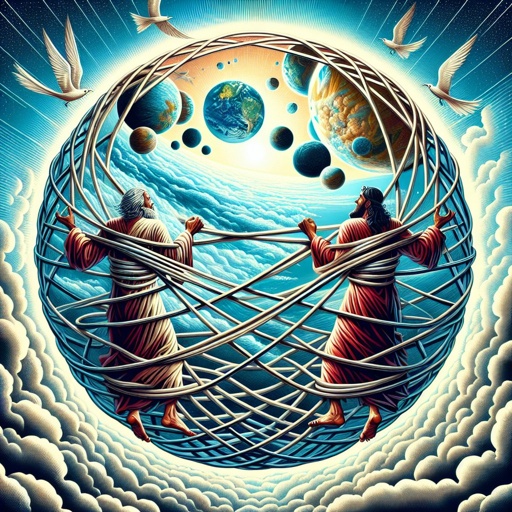
Matthew 18:18 - "Verily I say unto you, Whatsoever ye shall bind on earth shall be bound in heaven: and whatsoever ye shall loose on earth shall be loosed in heaven."

Matthew 24:18 - "Neither let him which is in the field return back to take his clothes."

Matthew 11:18 - "For John came neither eating nor drinking, and they say, He hath a devil."