The Power of Witness: Restoring Relationships through Humility and Unity
"But if he will not hear thee, then take with thee one or two more, that in the mouth of two or three witnesses every word may be established." - Matthew 18:16
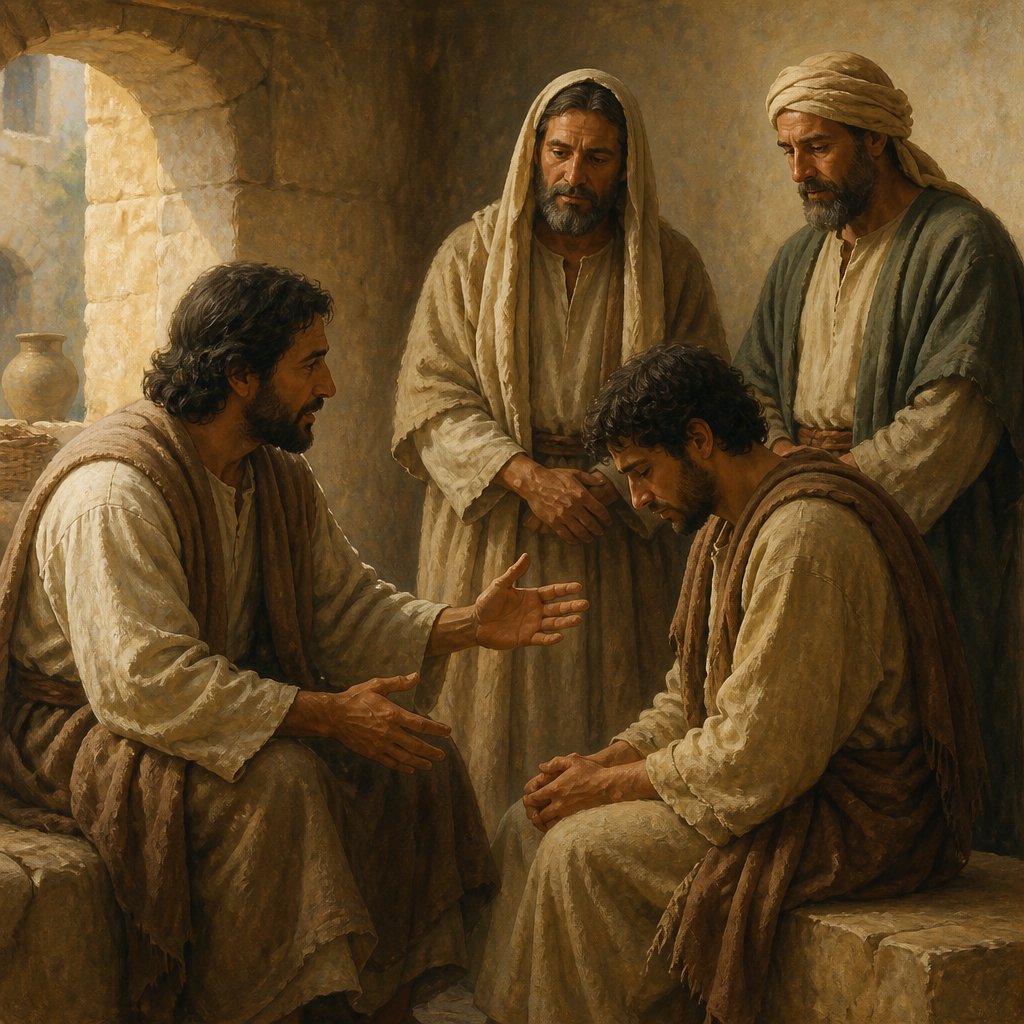
In Matthew 18:16, Jesus instructs us on the delicate and often challenging process of confronting our brothers and sisters who have sinned against us, saying, "But if he will not hear thee, then take with thee one or two more, that in the mouth of two or three witnesses every word may be established."
This verse encapsulates the essence of Christian reconciliation, emphasizing the importance of truth, humility, and community in resolving conflicts. At first glance, you may see this instruction as merely procedural; however, when we dig deeper, we unveil the heart of relational restoration and how crucial it is in our walk of faith.
In the context of community life, sin disrupts not only our relationship with God but also with one another. The first step laid out by Jesus is private confrontation. This aligns with His constant call for unity, love, and mutual respect in the body of Christ. When we feel wronged, often our instinct is to pull away or voice our grievances widely—this is neither biblical nor healthy. Instead, Jesus urges us to approach our brother or sister directly, in a spirit of love and humility.
However, what happens when this private appeal doesn’t yield the desired response? Here we find the wisdom of taking one or two others along with us. Jesus highlights the significance of witnesses in the midst of conflict. The inclusion of witnesses serves several purposes: Firstly, it ensures that both parties are treated with fairness, providing impartiality and accountability. Secondly, it reinforces the love and concern of the community, confirming that the goal is not to condemn but to restore. The witnesses themselves should be individuals grounded in love and truth, whose presence reminds all involved of the importance of reconciliation—maintaining harmony in the body rather than allowing division to fester.
By insisting upon the principle of "two or three witnesses," Jesus emphasizes established truth. According to Deuteronomy 19:15, truth is confirmed in the presence of multiple witnesses. This principle stands not just in legal contexts but within the church community as well. When seeking reconciliation, we must be committed to honoring the truth of God's Word, fostering an environment where honesty is upheld.
The term 'witnesses' here goes beyond mere observers. Those we choose are to engage in building bridges, having the capabilities to guide the conversation toward truth and resolution. Their role is pivotal—they not only reaffirm the reality of what is being discussed but also nurture a spirit of understanding and forgiveness.
Ultimately, the goal of these steps is restoration. Our Lord desires for His followers to live in unity, reflecting His love and grace amid imperfections and offenses. The act of going to our brother is a testament to our commitment to embody Christ’s teachings, showcasing the beauty of forgiveness and grace.
In practical terms, we can reflect on our current relationships, extending an olive branch to those we may have grievances with. Are there conversations we have been avoiding? Are there disputes calling for reconciliation? As we ponder these, let us approach with prayerful hearts, asking the Holy Spirit to guide our words and actions.
Moreover, we must not forget the role of accountability within our lives. Having mentors or groups where we can seek counsel, guidance, and encouragement is crucial. The church is not just a collection of individuals; it is a family called to uplift and support one another.
Matthew 18:16 does not merely instruct us on conflict resolution; it reveals the heart of God towards His creation and community. It emphasizes that restoration is possible and that no sin is too great to divide what God has joined together. Let us strive to be witnesses of His reconciliation, bringing light and truth into the lives of those around us.
Want to reflect more on Matthew 18:16?
Continue your spiritual journey with Bible Chat — an AI-powered tool for exploring God's Word through conversation. Ask questions, discover connections, and deepen your understanding.
Get Our Apps


Matthew 18:16 Artwork

Matthew 18:16 - "But if he will not hear thee, then take with thee one or two more, that in the mouth of two or three witnesses every word may be established."
"But if he will not hear thee, then take with thee one or two more, that in the mouth of two or three witnesses every word may be established." - Matthew 18:16

Matthew 16:18 - "And I say also unto thee, That thou art Peter, and upon this rock I will build my church; and the gates of hell shall not prevail against it."

Matthew 3:16

Matthew 18:6

Matthew 3:16

Matthew 3:16

Matthew 18:10

Matthew 18:6

Matthew 18:20

Matthew 6:18

Matthew 16:25

Matthew 6:18

Matthew 18:20

Matthew 18:6

Matthew 18:20

Matthew 16:16 - "And Simon Peter answered and said, Thou art the Christ, the Son of the living God."

Matthew 18:23-34

Matthew 17:17-18

Matthew 18:23-34

Matthew 18:23-34

Matthew 6:17-18

Matthew 18:23-34

Matthew 17:17-18

Numbers 16:18

Genesis 18-16

Matthew 13:18 - "¶ Hear ye therefore the parable of the sower."

Matthew 19:16-17

Matthew 27:16 - "And they had then a notable prisoner, called Barabbas."

Matthew 18:11 - "For the Son of man is come to save that which was lost."