The Weight of Unforgiveness: A Reflection on Matthew 18:30
“And he would not: but went and cast him into prison, till he should pay the debt.” — Matthew 18:30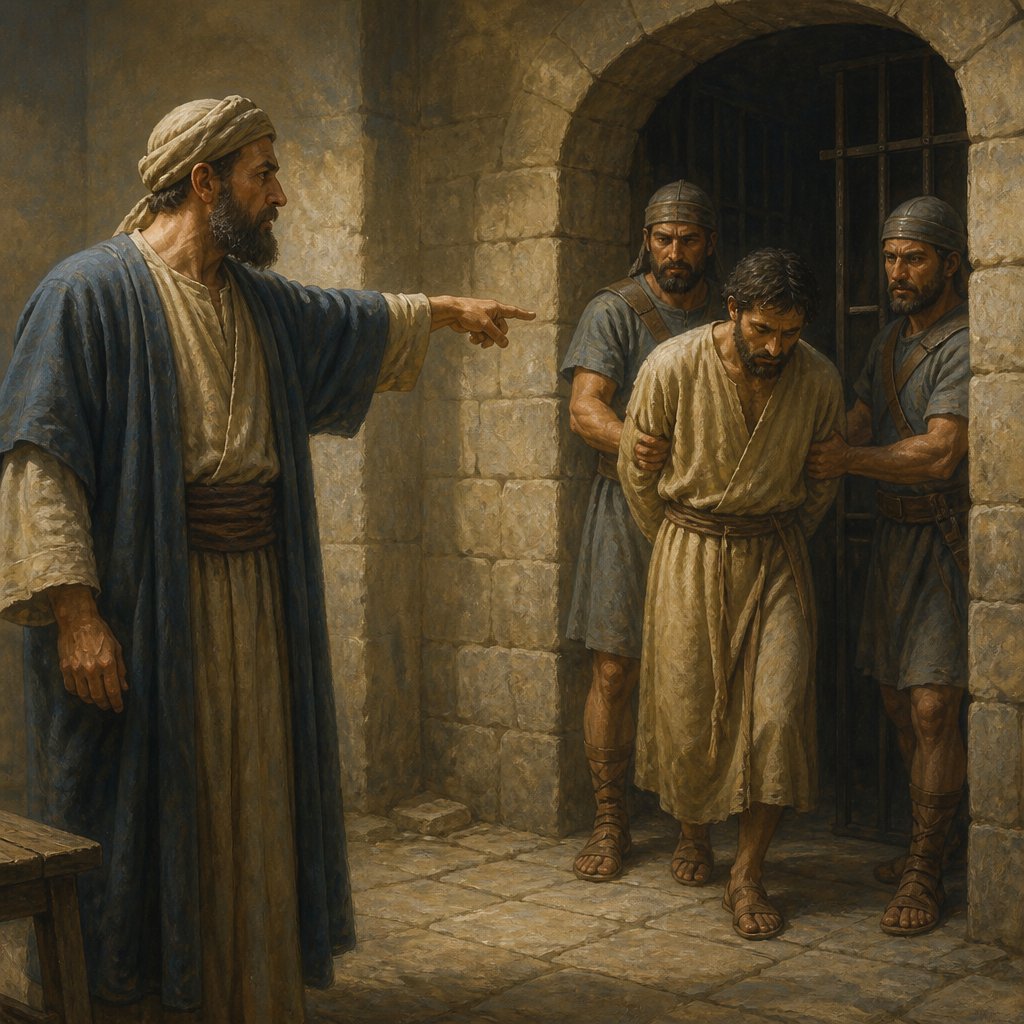
In Matthew 18:30, we encounter a moment of profound significance, a teaching of Jesus that highlights the gravity of forgiveness: "And he would not: but went and cast him into prison, till he should pay the debt." This verse serves as a stark reminder of the consequences of unforgiveness and the weight it carries not just for the one who is wronged, but for the one who harbors bitterness as well.
The preceding parable in this chapter tells of a king who wished to settle accounts with his servants. One servant owed an insurmountable debt—ten thousand talents—a sum so vast it was utterly impossible for him to repay. In a moment of mercy, the king forgave the servant all his debt. However, this same servant, upon encountering a fellow servant who owed him a mere hundred pence, refused to show the same mercy. Instead of extending forgiveness, he had his fellow servant thrown into prison until the debt could be repaid.
This dramatic contrast sets up a powerful moral lesson. The king’s grace towards the first servant represents God’s gift of forgiveness towards us, while the servant’s response to his fellow servant starkly illustrates human ungratefulness and a lack of understanding of grace. How often do we, who have been forgiven so much, turn around and withhold forgiveness from others? This is not just a matter of interpersonal relationships; it directly impacts our walk with the Lord.
Consider the implications of the servant casting his fellow servant into prison. This act was a reflection of his heart—a heart devoid of compassion, focusing instead on the perceived injustices done to him. His refusal to forgive stemmed from a place of selfishness and pride. In holding onto his grievances, he not only imprisoned his fellow man but also bound himself with chains of resentment.
Unforgiveness does not only affect the one who has offended us; it ultimately entraps us, preventing spiritual growth and severing our relationship with God. In Matthew 6:14-15, Jesus emphasizes, "For if ye forgive men their trespasses, your heavenly Father will also forgive you: But if ye forgive not men their trespasses, neither will your Father forgive your trespasses." Each time we choose not to forgive, we deny the very grace that has been extended to us by Christ. It becomes a cycle of sin that leads to deeper turmoil within our souls.
In our lives, we may find ourselves holding onto grudges for what seem like valid reasons. But in light of God's immeasurable mercy towards us, can we really justify this? Reflect on the sins you have committed. Are they less grievous than those done against you? God has chosen to forgive us, despite our debt being far greater than any offense we face from others.
The act of forgiveness is not simply a passive act of forgetting or dismissing the wrongs done to us. Instead, it is an active decision to release the offender from the debt they owe us. This release does not mean that we enable harmful behavior or dismiss our feelings; it means we acknowledge the pain, we confront it with honesty, and we still choose to see the person through the lens of divine grace.
As we meditate on Matthew 18:30, let’s ask ourselves: Whom are we holding in the prison of unforgiveness? It’s time to extend the same mercy we've been granted. Let us lay down our burdens of resentment, embracing the freedom found in forgiving others as God has forgiven us. Remember, forgiveness is not just for the benefit of the one who wronged you; it is for your own healing and growth in Christ.
Get our apps


Artwork for Matthew 18:30

Matthew 18:30 - "And he would not: but went and cast him into prison, till he should pay the debt."
"And he would not: but went and cast him into prison, till he should pay the debt." - Matthew 18:30

Matthew 6:30

Matthew 5:30

Matthew 5:30

Genesis 18-30

Matthew 24:30-31

Matthew 24:30-31

Matthew 24:30-31

Matthew 24:30-31

Matthew 24:30-31

Matthew 24:30-31

Matthew 24:30-31

Matthew 24:30-31

Matthew 24:30-31

Matthew 24:30-31

1 Samuel 30:18

Matthew 11:30 - "For my yoke is easy, and my burden is light."

Matthew 10:30 - "But the very hairs of your head are all numbered."

Matthew 19:30 - "But many that are first shall be last; and the last shall be first."

Matthew 26:30 - "And when they had sung an hymn, they went out into the mount of Olives."

Matthew 18:6

Matthew 27:30 - "And they spit upon him, and took the reed, and smote him on the head."

Matthew 18:10

Matthew 18:6

Matthew 6:18

Matthew 18:20

Matthew 12:30 - "He that is not with me is against me; and he that gathereth not with me scattereth abroad."

Matthew 8:30 - "And there was a good way off from them an herd of many swine feeding."

Matthew 22:30 - "For in the resurrection they neither marry, nor are given in marriage, but are as the angels of God in heaven."