The Cost of Unforgiveness: A Call to Extend Grace
“And his lord was wroth, and delivered him to the tormentors, till he should pay all that was due unto him.” — Matthew 18:34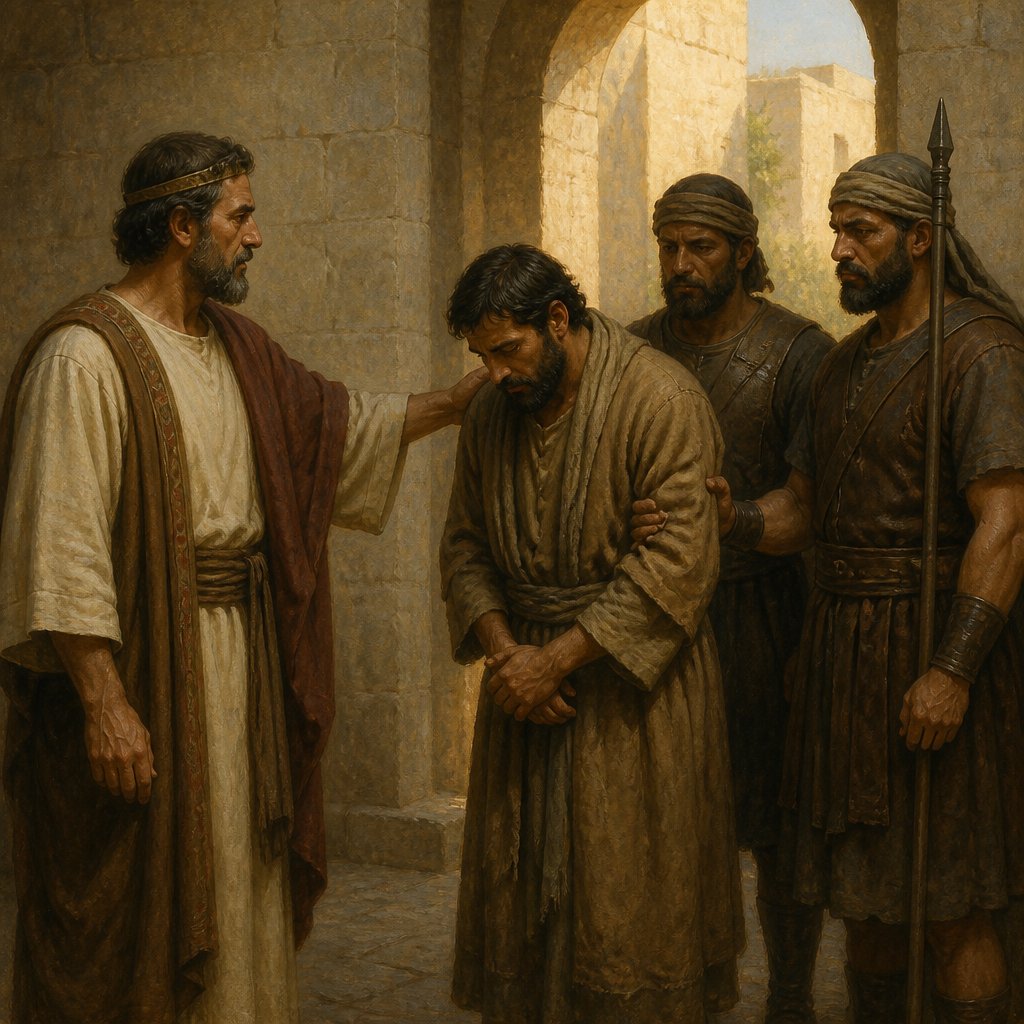
Matthew 18:34 states, "And his lord was wroth, and delivered him to the tormentors, till he should pay all that was due unto him." This verse is a stark reminder of the dire consequences of unforgiveness and the necessity of grace in our lives.
In the context of the parable of the unforgiving servant, Jesus lays bare the gravity of our attitude towards forgiveness. The servant, after being forgiven a staggering debt by his master, turns around in a fit of rage to choke a fellow servant who owes him a mere fraction of what has been forgiven. This powerful illustration highlights our human tendency to receive mercy freely yet withhold it from others. It brings to light the discrepancies that often exist between our experience of grace and our practice of it in our relationships.
When the master sees the unforgiving attitude of his servant, he becomes "wroth"—the KJV translation conveys not just anger, but a deep, passionate ire. The master, representing God, has every right to be furious. We, too, should reflect on the enormity of our debt to God—the burdens of our sin that were laid upon Christ at the cross. When we choose not to forgive others, we trivialize the infinite grace God has shown us through Christ. How can we, who have been forgiven so much, dare to hold onto grievances for the trifles inflicted upon us by others?
The consequence of the servant's unforgiving heart is severe. He is delivered "to the tormentors"—a metaphor that signifies not only spiritual anguish but also emotional and relational torment. Unforgiveness torments the heart; it binds the soul and steals our peace. The holding onto bitterness and resentment is like a prison; we think we are punishing the offender, yet the only one who suffers is ourselves. The tormentors represent a state of being—where the lack of forgiveness leads to continual mental and emotional affliction. It is in these moments of grievance that we lose sight of joy, peace, and the love of Christ within us.
This passage invites us to a retrospective examination of our own hearts. Who in our lives have we failed to forgive? What grudges have we allowed to turn into chains that bind us? We must recognize that forgiveness is an act of will, not merely a feeling. Choosing to forgive, even when it is difficult, opens the door to freedom.
Jesus teaches that forgiveness is intrinsic to salvation. The act of forgiving others is a reflection of our understanding of the grace we have received. In the Lord's Prayer, we petition, "Forgive us our debts, as we forgive our debtors" (Matthew 6:12, KJV). There is a direct correlation between how we seek God’s forgiveness and how we extend forgiveness to others. Failure to forgive creates a blockage in our relationship with God, leaving us vulnerable to spiritual torment as we recoil from the freedom that flows from grace.
As we meditate on Matthew 18:34, let’s make a conscious decision to release the debt we feel others owe us, just as we have been released from the insurmountable debt of sin. Let us choose to embrace grace—not just for ourselves, but as a way of life in our interactions with those around us. It’s a call to keep our hearts tender, understanding that holding onto unforgiveness only harms us. Instead, may we strive to reflect God’s mercy, demonstrating that through Christ, everything is indeed possible, including the daunting task of genuine forgiveness.
In doing so, we transform our torment into testimony, showcasing the radical love of Jesus and the transformative power of grace.
Get our apps


Artwork for Matthew 18:34

Matthew 18:34 - "And his lord was wroth, and delivered him to the tormentors, till he should pay all that was due unto him."
"And his lord was wroth, and delivered him to the tormentors, till he should pay all that was due unto him." - Matthew 18:34

Matthew 18:23-34

Matthew 18:23-34

Matthew 18:23-34

Matthew 18:23-34

Matthew 6:34

Matthew 6:34

Matthew 6:34

Matthew 6:34

Matthew 6:34

Psalm 34:18

Matthew 20:29-34

Psalms 34:18

Psalms 34:18

Matthew 6:25 – 34

Matthew 14:34 - "¶ And when they were gone over, they came into the land of Gennesaret."

Genesis 34:18 - "And their words pleased Hamor, and Shechem Hamor's son."

Matthew 9:34 - "But the Pharisees said, He casteth out devils through the prince of the devils."

Images that depicts the verse Matthew 27:11-34

Psalms 34:18 - "The LORD is nigh unto them that are of a broken heart; and saveth such as be of a contrite spirit."

Matthew 5:34 - "But I say unto you, Swear not at all; neither by heaven; for it is God's throne:"

Matthew 24:34 - "Verily I say unto you, This generation shall not pass, till all these things be fulfilled."

Matthew 10:34 - "Think not that I am come to send peace on earth: I came not to send peace, but a sword."

Job 34:18 - "Is it fit to say to a king, Thou art wicked? and to princes, Ye are ungodly?"

Matthew 18:6

Psalms 18:34 - "He teacheth my hands to war, so that a bow of steel is broken by mine arms."

Matthew 18:10

Matthew 18:6

Matthew 18:20