The Depths of Salvation: Understanding the Blessing of Faith
“When his disciples heard it, they were exceedingly amazed, saying, Who then can be saved?” — Matthew 19:25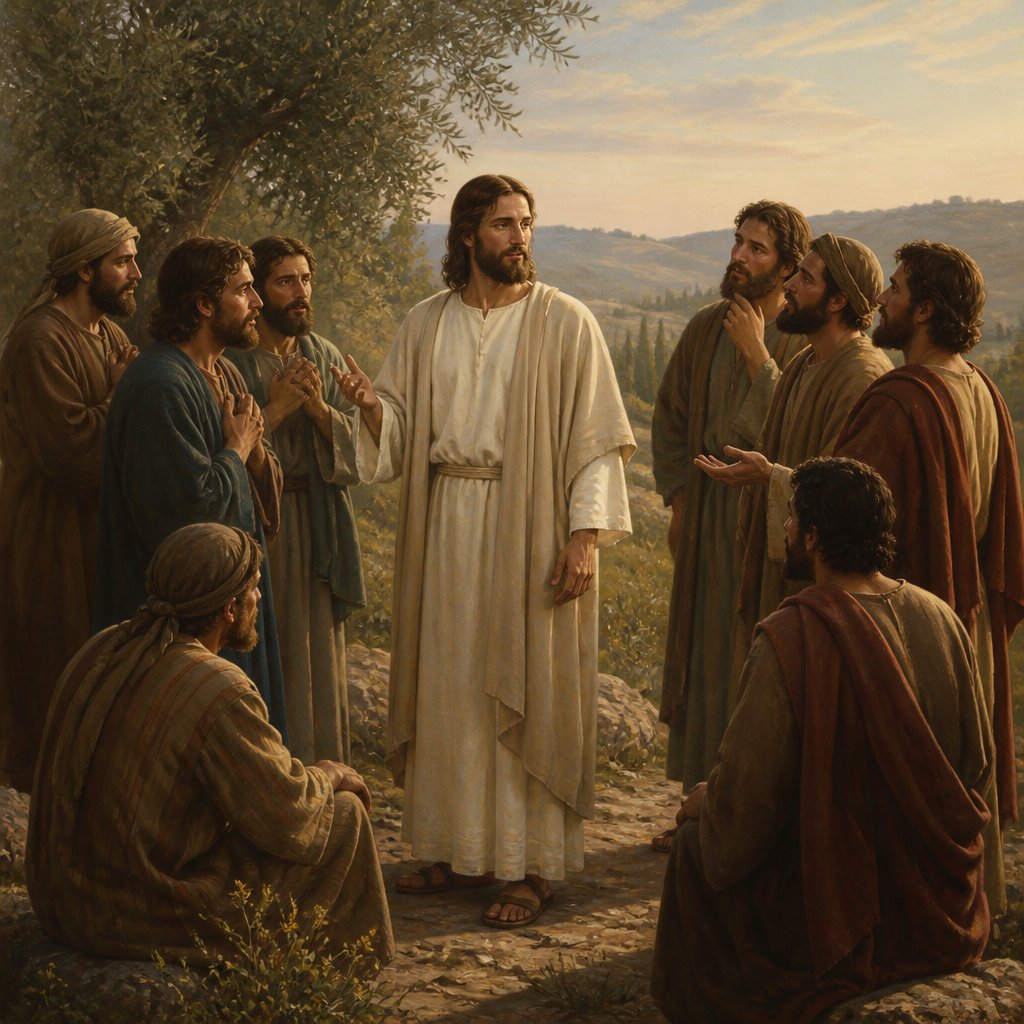
In the poignant exchange between Jesus and His disciples found in Matthew 19:25, we hear the disciples’ hearts echo in astonishment: ‘When his disciples heard it, they were exceedingly amazed, saying, Who then can be saved?’ This profound moment underscores the revolutionary teachings of Christ regarding salvation and the human condition.
The context of this scripture unfolds in a conversation initiated by a wealthy young ruler who, having observed the commandments and lived a life of righteousness, approaches Jesus seeking eternal life. His question is earnest, yet it reveals an underlying misunderstanding of true discipleship and what it means to follow Christ. When Jesus instructs him to sell his possessions and give to the poor, the young man’s sorrowful departure portrays the heavy burden that wealth can place on the soul.
Jesus, aware of the disciples' bewilderment, then speaks of the difficulty for a rich man to enter the kingdom of heaven. His words are shocking, challenging the Jewish perspective that viewed wealth as a sign of God’s favor. In their astonishment, the disciples, who have left everything to follow Him, grapple with the implications of this statement. They question, ‘Who then can be saved?’ It is a question that resonates through the ages, prompting us to reflect on our own assumptions about faith, wealth, and salvation.
This verse invites us to delve deeper into the nature of salvation itself. The disciples’ amazement reveals a stark reality: salvation is not earned by righteousness or adherence to the law, but it is a gift of grace. Paul articulates this truth emphatically in Ephesians 2:8-9 (KJV): ‘For by grace are ye saved through faith; and that not of yourselves: it is the gift of God: Not of works, lest any man should boast.’ Herein lies the essence of Christ’s message; it is not through our own merits that we attain salvation but through faith in Jesus Christ, who alone can redeem us.
In contemplating the question posed by the disciples, we may find ourselves identifying with the wealthy young ruler, considering what we hold dear. Are there possessions, relationships, or ambitions that we are unwilling to part with in pursuit of a closer relationship with Christ? This passage challenges us to examine our hearts—to prayerfully consider whether we rely on our own understanding and achievements, or if we know, with sacred certainty, that God’s grace is sufficient for our salvation.
It is significant that following the disciples' astonishment, Jesus reassures them in verse 26 (KJV): ‘But Jesus beheld them, and said unto them, With men this is impossible; but with God all things are possible.’ Here lies a profound declaration of hope. What is impossible for man is possible for God—not only in the context of salvation but in every facet of our lives. We serve a God who defies earthly limitations. Each time we falter under the weight of our sin and shortcomings, we must remember that it is God's grace that grants us access to the kingdom, transforming improbability into possibility.
As we reflect on Matthew 19:25, let it serve as a catalyst for humility. In our spiritual journey, may we learn to surrender our notions of self-sufficiency and trust wholeheartedly in the saving grace of our Lord. Let the question of the disciples remind us to stand in awe of the God who ‘so loved the world’ (John 3:16) that He made a way for our salvation through faith in Christ, offering us the true treasure far greater than any earthly possession.
In closing, let us cling to the promise that, with God, even the most burdensome of our struggles can lead us to freedom and salvation. May we face each day with confidence in His grace, knowing that we are no longer defined by our limitations but by our faith in the One who saves.
Get our apps


Artwork for Matthew 19:25

Matthew 19:25 - "When his disciples heard it, they were exceedingly amazed, saying, Who then can be saved?"
"When his disciples heard it, they were exceedingly amazed, saying, Who then can be saved?" - Matthew 19:25

Matthew 25:19 - "After a long time the lord of those servants cometh, and reckoneth with them."
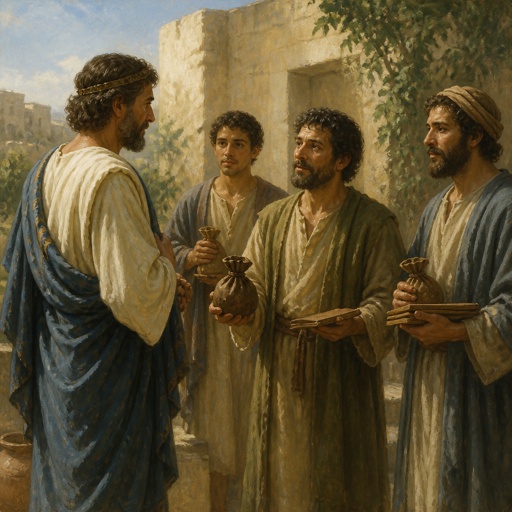
"After a long time the lord of those servants cometh, and reckoneth with them." - Matthew 25:19

Matthew 25:25

Matthew 25: 14-25

Matthew 26:25

Matthew 25:23

Matthew 25:21

Matthew 16:25

matthew 25:31

Matthew 25:21

Matthew 25:23

Matthew 21:25

Matthew 25:25 - "And I was afraid, and went and hid thy talent in the earth: lo, there thou hast that is thine."

Genesis 19-25

Matthew 25:11-13

Matthew 6:25 – 34

matthew 28:19

Matthew 19:26

matthew 28:19

John 19:25-27

Matthew 25:4 - "But the wise took oil in their vessels with their lamps."

John 19:25-27

Matthew 19:13

Matthew 19:19 - "Honour thy father and thy mother: and, Thou shalt love thy neighbour as thyself."

Joshua 19:25 - "And their border was Helkath, and Hali, and Beten, and Achshaph,"

Matthew 25:5 - "While the bridegroom tarried, they all slumbered and slept."

Matthew 24:25 - "Behold, I have told you before."

Matthew 25:7 - "Then all those virgins arose, and trimmed their lamps."