The Generational Legacy of Faith
“And Eliud begat Eleazar; and Eleazar begat Matthan; and Matthan begat Jacob;” — Matthew 1:15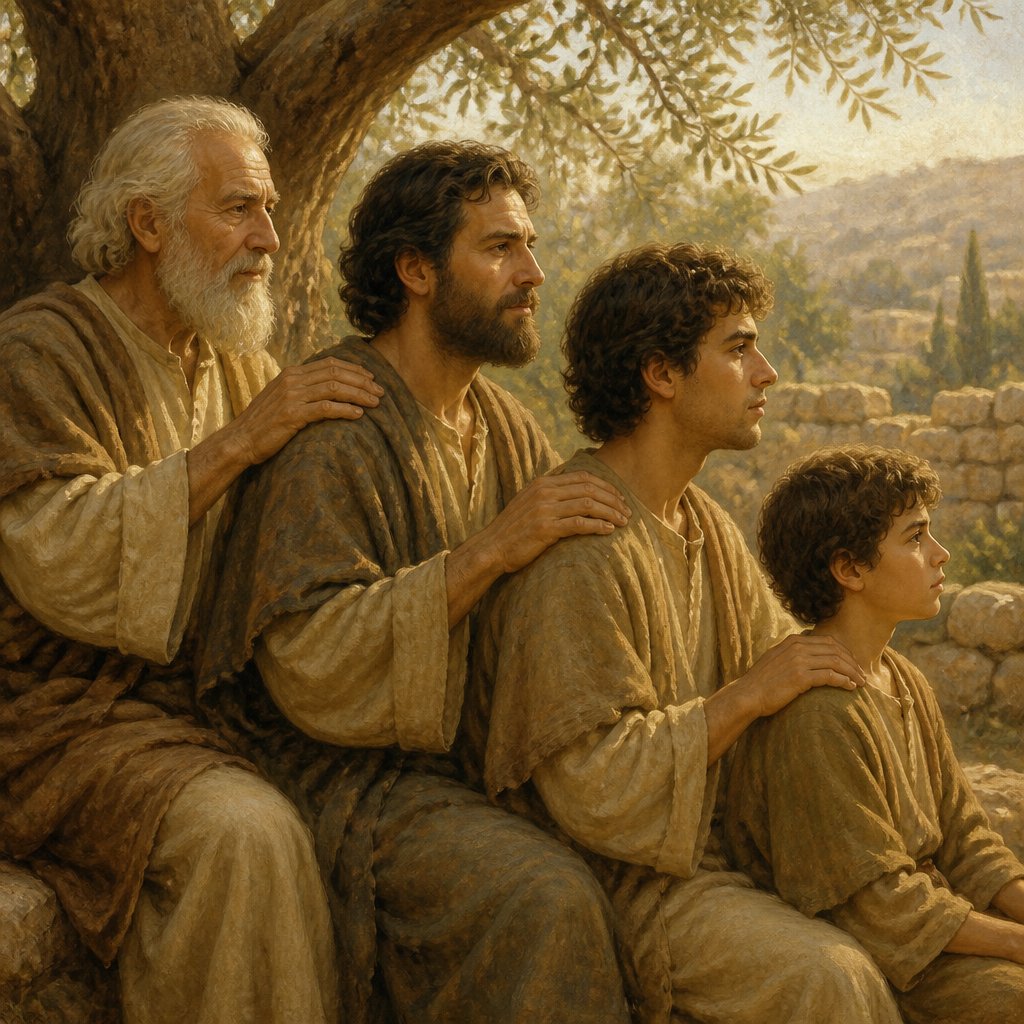
As we delve into the book of Matthew, we encounter a line of verses often glossed over—the genealogy of Christ. In Matthew 1:15, we read, "And Eliud begat Eleazar; and Eleazar begat Matthan; and Matthan begat Jacob." At first glance, these names might seem unremarkable, mere placeholders in a long lineage, disconnected from the struggles and triumphs of ordinary life. However, when we take a closer look, we discover a profound truth.
The genealogy in Matthew is more than a list of names; it is a testimony of God’s faithfulness through generations. It reveals a rich tapestry woven with the threads of faith, obedience, and divine purpose. Eliud, Eleazar, Matthan, and Jacob represent more than their individual lives—they symbolize hope that shines through the pages of history, both personal and collective. Each name listed reflects a heritage of endurance, struggles, and triumphs over adversity.
The word "begat" signifies the act of bringing forth, not just biological reproduction, but the continuation of a legacy. Eliud begat Eleazar, each name carrying the weight of their forebears’ faith, their trials, and the covenant promises of God. In the Old Testament, we see how God made covenants with Abraham, Isaac, and Jacob, promising to multiply their descendants and make them a great nation. The genealogy in Matthew reminds us that God kept His promise through these generations.
When we reflect on the life of each man mentioned, we are reminded of the complexities of life that they faced. The world that Eliud lived in was likely filled with its own challenges, just as Eleazar faced obstacles, and Matthan walked the streets of an ever-changing society. Each one had the monumental task of raising the next generation in faith and obedience to God. These names might be unknown to many, but to God, they are integral parts of His redemptive plan. Each individual carried the responsibility of not just their lineage, but of being part of God’s unfolding story of salvation.
This genealogy emphasizes the significance of faith in our own familial lines. Just as Matthew meticulously records the lineage that leads to Christ, we must recognize our roles in our family trees. What legacy are we cultivating? Are we, like Eliud and his descendants, passing along a legacy of faith? This verse invites us to pause and consider the impact of our life decisions on those who come after us.
In the realm of faith, we often face numerous hurdles; the path may be unclear or perhaps even disheartening at times. Eliud, Eleazar, Matthan, and Jacob serve as reminders that each generation bears the mark of human imperfection. They were not perfect, but they were chosen. The assurance we find in their legacy is that God has the power to redeem every situation. He takes our lives, with all their complexities and imperfections, and weaves them into His grand narrative.
Furthermore, this lineage leads us to the most profound realization: the arrival of Jesus Christ, the Messiah. The culmination of this genealogy highlights the divine promise being fulfilled. Each name represents a step toward the moment when God would become flesh and dwell among us. The phrase "begat" envelops the beautiful truth that God’s plan is generational.
In conclusion, Matthew 1:15 calls us not just to observe a historical account but to engage deeply with our own genealogies of faith. Who in your life has invested spiritually into you? Who will you invest in? Recognize the chain of faith—our legacies are defined not just by what we say, but by how we live. Let us strengthen our resolve to pass on faith, bear hardship with resilience, and continually remind ourselves that we are part of something far greater. Just as God was faithful to Eliud and the generations that followed, so He will be with us, guiding us and empowering the next generation to know Him.
Get our apps


Artwork for Matthew 1:15

Matthew 1:15 - "And Eliud begat Eleazar; and Eleazar begat Matthan; and Matthan begat Jacob;"
"And Eliud begat Eleazar; and Eleazar begat Matthan; and Matthan begat Jacob;" - Matthew 1:15

Matthew 1:5 - "And Salmon begat Booz of Rachab; and Booz begat Obed of Ruth; and Obed begat Jesse;"

Matthew 15 : 1-20

Matthew 15:1 - "Then came to Jesus scribes and Pharisees, which were of Jerusalem, saying,"

"And Salmon begat Booz of Rachab; and Booz begat Obed of Ruth; and Obed begat Jesse;" - Matthew 1:5

matthew 15 matthew 15:10
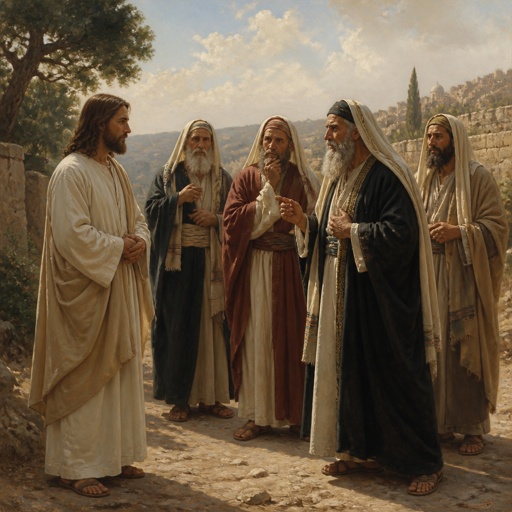
"Then came to Jesus scribes and Pharisees, which were of Jerusalem, saying," - Matthew 15:1

Matthew 26:15

Matthew 26:15

Matthew 15:23

Matthew 24:15

Matthew 15:15 - "Then answered Peter and said unto him, Declare unto us this parable."

Matthew 5:15

Matthew 15:23

Matthew 5:15

Matthew 17:14-15

Matthew 15:35 - "And he commanded the multitude to sit down on the ground."

Matthew 11:15 - "He that hath ears to hear, let him hear."

Matthew 15:16 - "And Jesus said, Are ye also yet without understanding?"

Matthew 19:15 - "And he laid his hands on them, and departed thence."

Matthew 15:21 - "¶ Then Jesus went thence, and departed into the coasts of Tyre and Sidon."

Matthew 15:9 - "But in vain they do worship me, teaching for doctrines the commandments of men."

Matthew 15:7 - "Ye hypocrites, well did Esaias prophesy of you, saying,"

Luke 6:15 - "Matthew and Thomas, James the son of Alphaeus, and Simon called Zelotes,"

Matthew 15:25 - "Then came she and worshipped him, saying, Lord, help me."

Matthew 15:10 - "¶ And he called the multitude, and said unto them, Hear, and understand:"

Matthew 15:38 - "And they that did eat were four thousand men, beside women and children."

Matthew 15:20 - "These are the things which defile a man: but to eat with unwashen hands defileth not a man."

Matthew 15:39 - "And he sent away the multitude, and took ship, and came into the coasts of Magdala."