What does Matthew 1:15 mean?
“And Eliud begat Eleazar; and Eleazar begat Matthan; and Matthan begat Jacob;” — Matthew 1:15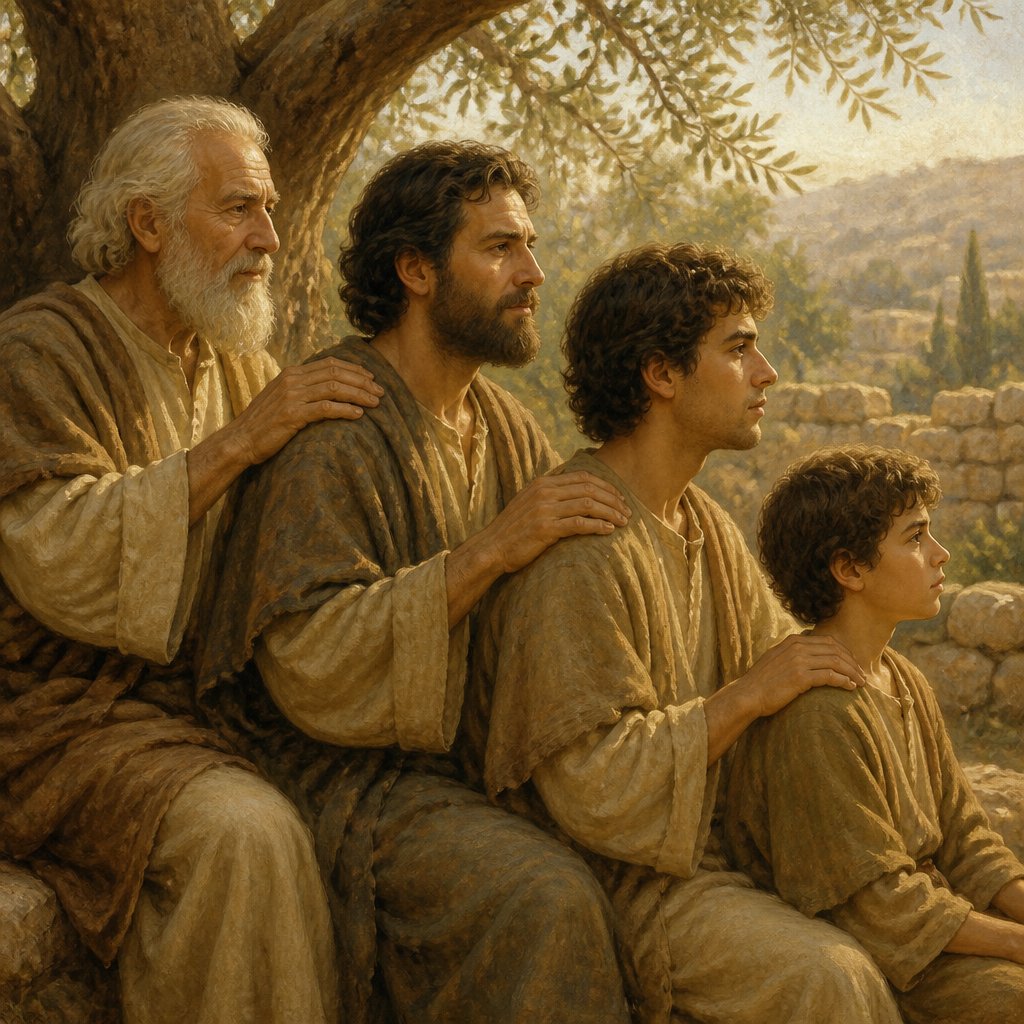
Matthew 1:15 (KJV) states, "And Eliud begat Eleazar; and Eleazar begat Matthan; and Matthan begat Jacob."
In order to understand the significance of this verse, it is important to consider the broader context of the passage in which it appears. This verse is situated within the genealogy of Jesus Christ, as recorded in the Gospel of Matthew. This genealogy traces Jesus' lineage from Abraham to Joseph, the earthly father of Jesus. The genealogy serves to establish Jesus' rightful claim to the throne of David, as well as his fulfillment of Old Testament prophecies regarding the Messiah.
The genealogy in Matthew 1:1-17 is often seen as evidence of Jesus' royal lineage and legitimacy as the Messiah. This passage emphasizes the continuity of God's plan throughout history, as well as the fulfillment of Old Testament promises. It also serves as a bridge between the Old and New Testaments, connecting the story of Jesus to the history of Israel.
In Matthew 1:15, the specific names mentioned—Eliud, Eleazar, Matthan, and Jacob—hold significance within the genealogy. These names are part of the lineage that ultimately leads to Joseph, the husband of Mary and the earthly father of Jesus. While this may seem like a list of obscure names, each one represents a link in the chain leading to the birth of Jesus. Their significance lies in their role as ancestors of Christ, and by extension, their connection to the broader narrative of God's redemptive plan.
Furthermore, the repetition of the phrase "begat" in this verse underscores the continuity of the lineage and the importance of each generation in the unfolding of God's plan. It emphasizes the idea of a continuous line of descent, leading ultimately to the fulfillment of God's promises in the birth of Jesus.
In addition to its historical and genealogical significance, the verse can also be interpreted symbolically. The names themselves hold symbolic meaning that can shed light on the deeper significance of this passage. For example, "Eliud" means "God is majestic," "Eleazar" means "God has helped," "Matthan" means "gift," and "Jacob" means "supplanter" or "holder of the heel." These names can be seen as signposts along the journey of God's redemptive plan, representing God's majesty, his help, the gift of Jesus, and the struggle for blessing.
The verse also speaks to the overarching themes of redemption and God's faithfulness. It highlights the faithfulness of God in preserving the lineage of Jesus through the generations, despite the various trials and tribulations faced by the individuals listed in the genealogy. This theme of God's faithfulness is a central motif throughout the Bible, emphasizing the continuity of God's plan and his unwavering commitment to his people.
In conclusion, Matthew 1:15, within the broader context of the genealogy of Jesus, serves as a testament to the continuity of God's redemptive plan throughout history. It underscores the fulfillment of Old Testament promises in the birth of Jesus and emphasizes the importance of each generation in the unfolding of God's ultimate purpose. The symbolic significance of the names mentioned further adds depth to the passage, highlighting the themes of God's faithfulness, help, and the ultimate gift of Jesus. By understanding the historical, genealogical, and symbolic aspects of this verse, we can gain a deeper appreciation for its significance within the broader narrative of the Bible.
Get our apps


Artwork for Matthew 1:15

Matthew 1:15 - "And Eliud begat Eleazar; and Eleazar begat Matthan; and Matthan begat Jacob;"
"And Eliud begat Eleazar; and Eleazar begat Matthan; and Matthan begat Jacob;" - Matthew 1:15

Matthew 1:5 - "And Salmon begat Booz of Rachab; and Booz begat Obed of Ruth; and Obed begat Jesse;"

Matthew 15 : 1-20

Matthew 15:1 - "Then came to Jesus scribes and Pharisees, which were of Jerusalem, saying,"

"And Salmon begat Booz of Rachab; and Booz begat Obed of Ruth; and Obed begat Jesse;" - Matthew 1:5

matthew 15 matthew 15:10
"Then came to Jesus scribes and Pharisees, which were of Jerusalem, saying," - Matthew 15:1

Matthew 26:15

Matthew 26:15

Matthew 15:23

Matthew 24:15

Matthew 15:15 - "Then answered Peter and said unto him, Declare unto us this parable."

Matthew 5:15

Matthew 15:23

Matthew 5:15

Matthew 17:14-15

Matthew 15:35 - "And he commanded the multitude to sit down on the ground."

Matthew 11:15 - "He that hath ears to hear, let him hear."

Matthew 15:16 - "And Jesus said, Are ye also yet without understanding?"

Matthew 19:15 - "And he laid his hands on them, and departed thence."

Matthew 15:21 - "¶ Then Jesus went thence, and departed into the coasts of Tyre and Sidon."

Matthew 15:9 - "But in vain they do worship me, teaching for doctrines the commandments of men."

Matthew 15:7 - "Ye hypocrites, well did Esaias prophesy of you, saying,"

Luke 6:15 - "Matthew and Thomas, James the son of Alphaeus, and Simon called Zelotes,"

Matthew 15:25 - "Then came she and worshipped him, saying, Lord, help me."

Matthew 15:10 - "¶ And he called the multitude, and said unto them, Hear, and understand:"

Matthew 15:38 - "And they that did eat were four thousand men, beside women and children."

Matthew 15:20 - "These are the things which defile a man: but to eat with unwashen hands defileth not a man."

Matthew 15:39 - "And he sent away the multitude, and took ship, and came into the coasts of Magdala."