From Nazareth to Restoration: Embracing Our Divinely Assigned Identity
“And he came and dwelt in a city called Nazareth: that it might be fulfilled which was spoken by the prophets, He shall be called a Nazarene.” — Matthew 2:23
As we delve into Matthew 2:23, we encounter a verse rich with meaning and prophetic significance: "And he came and dwelt in a city called Nazareth: that it might be fulfilled which was spoken by the prophets, He shall be called a Nazarene." This verse encapsulates a pivotal moment in the life of Jesus and carries profound implications not only for His identity but for our identity as followers of Christ.
Jesus’ relocation to Nazareth is significant. Nazareth, a small and seemingly insignificant town in Galilee, had little to commend it. Throughout history, it was a place marred by misunderstandings, disdain, and scorn. The disdain for Nazareth is poignantly captured in John 1:46, where Nathanael questions, "Can there any good thing come out of Nazareth?" This skepticism reflects the human tendency to overlook what is unassuming, to deem the unfamiliar unworthy or ineffective.
Yet, it is precisely from this context that God orchestrated an incredible chapter of redemption. The choice of Nazareth as Jesus’ dwelling is a divine statement about God’s sovereignty and His preference for the humble and lowly things of this world. When we consider the incarnation—the Word made flesh—we recognize that the King of Kings chose to enter humanity in an unexpected and unpretentious manner. In this, we find a call to embrace the unlikely paths and places in our own lives where God might be working.
The prophetic fulfillment mentioned in this verse—"He shall be called a Nazarene"—is a testimony to the way God knit together the threads of history, culture, and prophecy. The life of Jesus did not emerge in isolation; it was steeped in the fulfillment of God's word delivered through the prophets. This paints a picture of God who is faithful, who fulfills what He has promised. Our God operates in the realm of the miraculous, the seemingly impossible. His plans often unfold in unexpected ways, guiding us along paths that, at first glance, appear obscure or contrary to our expectations.
As we reflect on the identity of Jesus as "a Nazarene," we are invited to consider our own identities as children of God. Jesus identified with the humble, the outcast, and the marginalized through His association with Nazareth. He established a model of servanthood—He came not to be served, but to serve (Matthew 20:28). In what ways might we too find our place in the world by identifying with the least of these?
Moreover, Jesus’ residence in Nazareth reminds us that our geographical or situational locations do not define our purpose or worth. Just as Jesus transformed Nazareth from a place of doubt to a center of divine fulfillment, we too can find hope in our circumstances. When life seems dark or lowly, when we feel like we are from "Nazareth," we must remember that God can use us for His glory. He can gather beauty from ashes, hope from despair, purpose from stagnation. By surrendering our insecurities and disappointments to Him, He can mold us into vessels of His grace.
As we witness Jesus’ life unfolding from this humble beginning, we also see the divine calling to live authentically and purposefully, regardless of where we come from. Let us hold fast to the truth that our worth comes not from our past, our birthplace, or how others perceive us, but from our identity in Christ.
In conclusion, as we meditate on Matthew 2:23, let us embrace the reality that our God is still actively working in the mundane and overlooked. He takes what is small and lowly to do great things. Like Jesus, may we allow our lives to be places where God chooses to dwell, magnifying His great name through our humble service and unwavering faith. Amen.
Get our apps


Artwork for Matthew 2:23

Matthew 2:23

Matthew 2:23

Matthew 2:23

Matthew 2:23

Matthew 2:23 - "And he came and dwelt in a city called Nazareth: that it might be fulfilled which was spoken by the prophets, He shall be called a Nazarene."

"And he came and dwelt in a city called Nazareth: that it might be fulfilled which was spoken by the prophets, He shall be called a Nazarene." - Matthew 2:23

Matthew 2:3-4

Matthew 2:3-4

Matthew 2:3-4

Matthew 2:3-4

Matthew 23:2 - "Saying, The scribes and the Pharisees sit in Moses' seat:"

Matthew 2:3 - "When Herod the king had heard these things, he was troubled, and all Jerusalem with him."

MATTHEW 28: 23

"Saying, The scribes and the Pharisees sit in Moses' seat:" - Matthew 23:2

Matthew 2:3 - "When Herod the king had heard these things, he was troubled, and all Jerusalem with him."

"When Herod the king had heard these things, he was troubled, and all Jerusalem with him." - Matthew 2:3

Matthew 6:23

Matthew 25:23

Matthew 15:23

Matthew 23:12

Matthew 23:12

Matthew 23:28

Matthew 25:23

matthew 7:23

Matthew 15:23

Matthew 23:28
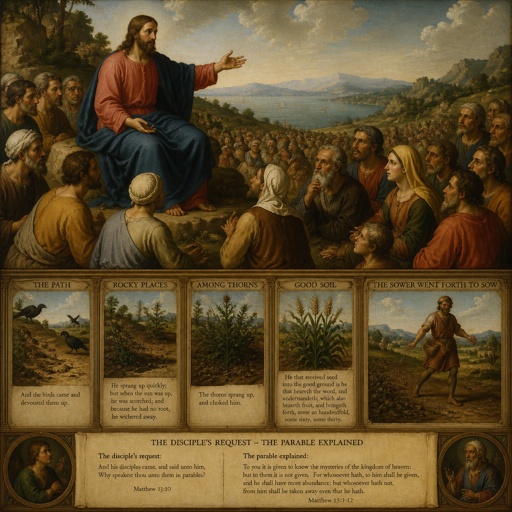
Matthew 13:1-23
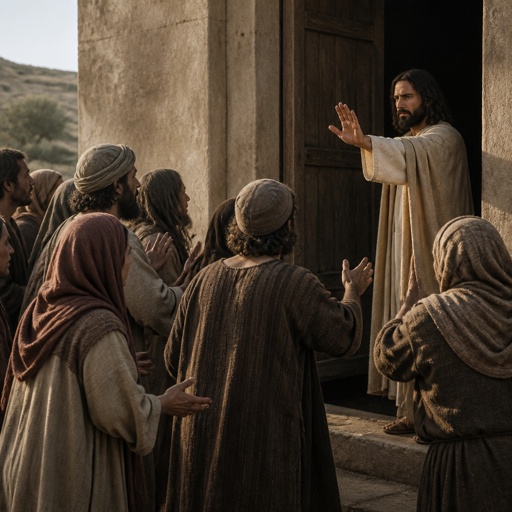
Matthew 7:21-23
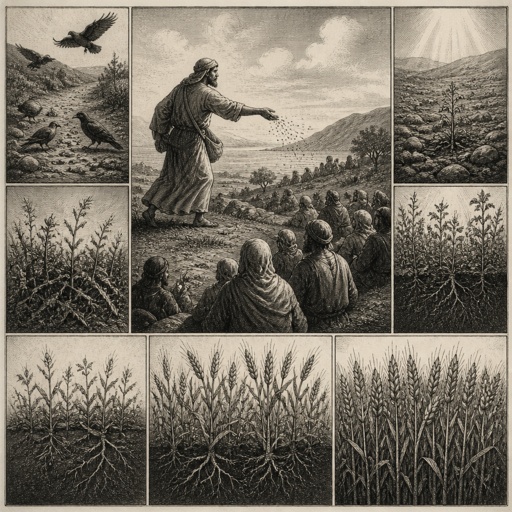
Matthew 13:1-23

Matthew 18:23-34