The Weight of Righteous Blood
“That upon you may come all the righteous blood shed upon the earth, from the blood of righteous Abel unto the blood of Zacharias son of Barachias, whom ye slew between the temple and the altar.” — Matthew 23:35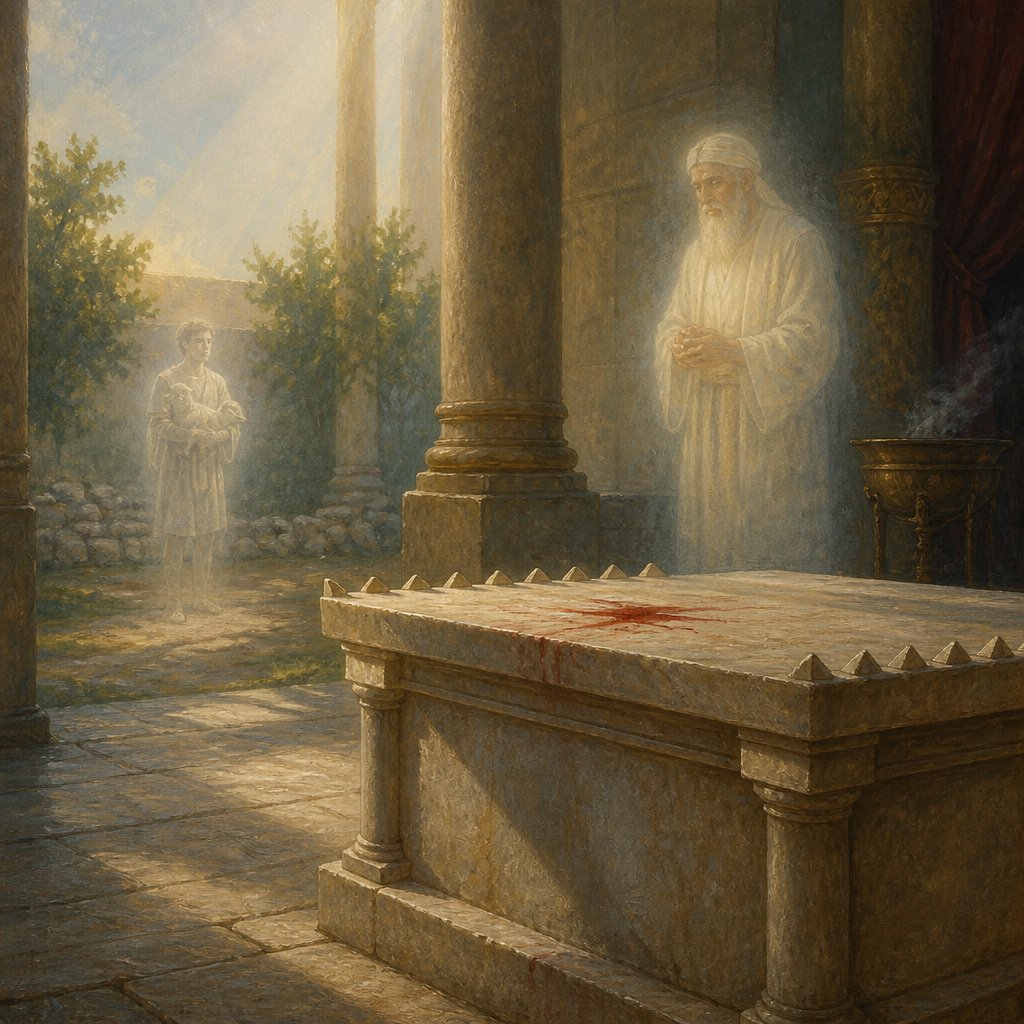
As we delve into Matthew 23:35, we find ourselves faced with a solemn and sobering truth articulated by Jesus Himself: "That upon you may come all the righteous blood shed upon the earth, from the blood of righteous Abel unto the blood of Zacharias son of Barachias, whom ye slew between the temple and the altar." This statement echoes through the corridors of time, demanding our attention and reflection.
In this verse, Jesus is addressing the religious leaders of His time, the Pharisees and scribes, who had grown more concerned with ritualistic law than with the true spirit of love and justice. By referencing the blood of Abel, the first righteous man murdered by his own brother, and Zacharias, a prophet killed in the very sacredness of God’s house, Jesus frames an indictment against the leaders. They are being warned that their refusal to recognize and repent for their collective sins could result in the judgment not just for their actions, but for the legacy of wickedness that has pervaded their history.
### The Weight of Responsibility
By stating that all the righteous blood shed upon the earth might come upon them, Jesus is not merely speaking of guilt but of the weighty responsibility that accompanies the office they hold. They are stewards of God’s message, and with that privilege comes the immense duty to protect the innocent and to advocate for righteousness. History is fraught with the tales of those who have silenced the voices of truth, and these Pharisees were perpetuating that very cycle.
This verse serves as a grim reminder of how easily righteousness can be overlooked or disregarded. The shedding of innocent blood—not just physically but metaphorically through unjust actions and neglect of the broken—creates a stain on the moral fabric of society. Here, the irony is palpable: those who claimed to be the guardians of the law were, in fact, complicit in perpetuating injustice.
### Abel and Zacharias: Voices of the Righteous
Abel represents the earliest example of righteous bloodshed, a poignant symbol of the struggle between good and evil that began in the very first family. His murder was born not of a lesson learned or a correction received but of raw jealousy and hatred. The sin of Cain, rooted deep within his heart, is a cautionary tale for all generations. We must ask ourselves: do we allow envy, anger, and pride to drive us away from the spirit of God’s love?
Zacharias, mentioned in the same breath as Abel, reflects the immediate consequences when a society fails to uphold righteousness. Killed within the walls of the Holy Temple, his blood signifies a rejection of God’s messages. The proximity of his death to the altar sheds light on how even in sacred spaces, corruption and malice can spring forth if one’s heart is not aligned with God’s will.
### Our Call to Righteousness
As followers of Christ, this verse calls us to reflect profoundly on our spiritual walk. Are we, in our modern lives, replicating the mistakes of these leaders? Are we turning a blind eye to injustice within and outside our communities? Jesus' words echo in our hearts today, asking us to respond with action rather than indifference. We are a society that can be quick to criticize the actions of others while failing to examine our own hearts. This duality cannot coexist with the call to live righteously.
We must internalize this scripture and allow it to illuminate the pathways of our lives. Let us actively pursue justice and mercy, being vigilant against any attitudes that would lead us away from the love of Christ. Each day is an opportunity to choose righteousness, to speak truth, and to add our voices to the chorus of the righteous—ensuring that the legacy of Abel and Zacharias is one not of condemnation but of hope and restoration.
In this light, let us pray for the grace to take up the mantle of righteousness, to advocate for the voiceless, and to bring forth love in a world often shrouded in darkness. May our actions reflect the heart of God and may we be found not amongst those who shed innocent blood, but among those who seek justice and peace.
Get our apps


Artwork for Matthew 23:35
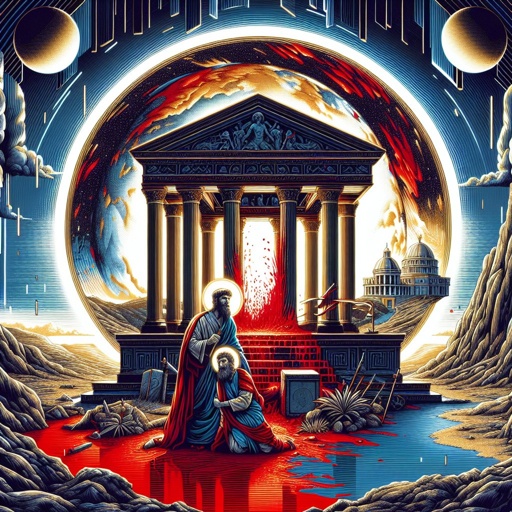
Matthew 23:35 - "That upon you may come all the righteous blood shed upon the earth, from the blood of righteous Abel unto the blood of Zacharias son of Barachias, whom ye slew between the temple and the altar."
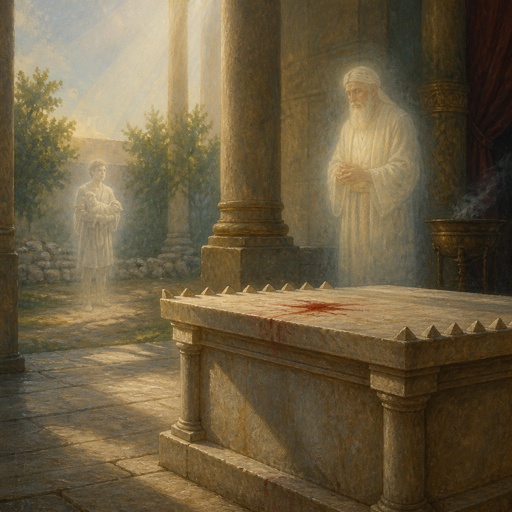
"That upon you may come all the righteous blood shed upon the earth, from the blood of righteous Abel unto the blood of Zacharias son of Barachias, whom ye slew between the temple and the altar." - Matthew 23:35

Titus 2:3-5

Titus 2:3-5

Titus 2:3-5

Matthew 24:35

Matthew 24:35

Matthew 24:35

Matthew 24:35

Matthew 24:35

Matthew 24:35

Matthew 24:35

Matthew 24:35

Matthew 24:35

Matthew 24:35

Matthew 27:35

Salmo 45, 2-3. 5-6. 8-9
2 Chronicles 35:23

2 Samuel 23:35 - "Hezrai the Carmelite, Paarai the Arbite,"

Matthew 15:35 - "And he commanded the multitude to sit down on the ground."

Matthew 6:23

Matthew 5:35 - "Nor by the earth; for it is his footstool: neither by Jerusalem; for it is the city of the great King."

Leviticus 23:35 - "On the first day shall be an holy convocation: ye shall do no servile work therein."

Genesis 35:23 - "The sons of Leah; Reuben, Jacob's firstborn, and Simeon, and Levi, and Judah, and Issachar, and Zebulun:"

Matthew 24:35 - "Heaven and earth shall pass away, but my words shall not pass away."

Matthew 22:35 - "Then one of them, which was a lawyer, asked him a question, tempting him, and saying,"

Matthew 21:35 - "And the husbandmen took his servants, and beat one, and killed another, and stoned another."

Matthew 25:23

Matthew 2:23

Matthew 15:23