Fleeing to the Mountains: Finding Refuge in Times of Trial
“Then let them which be in Judaea flee into the mountains:” — Matthew 24:16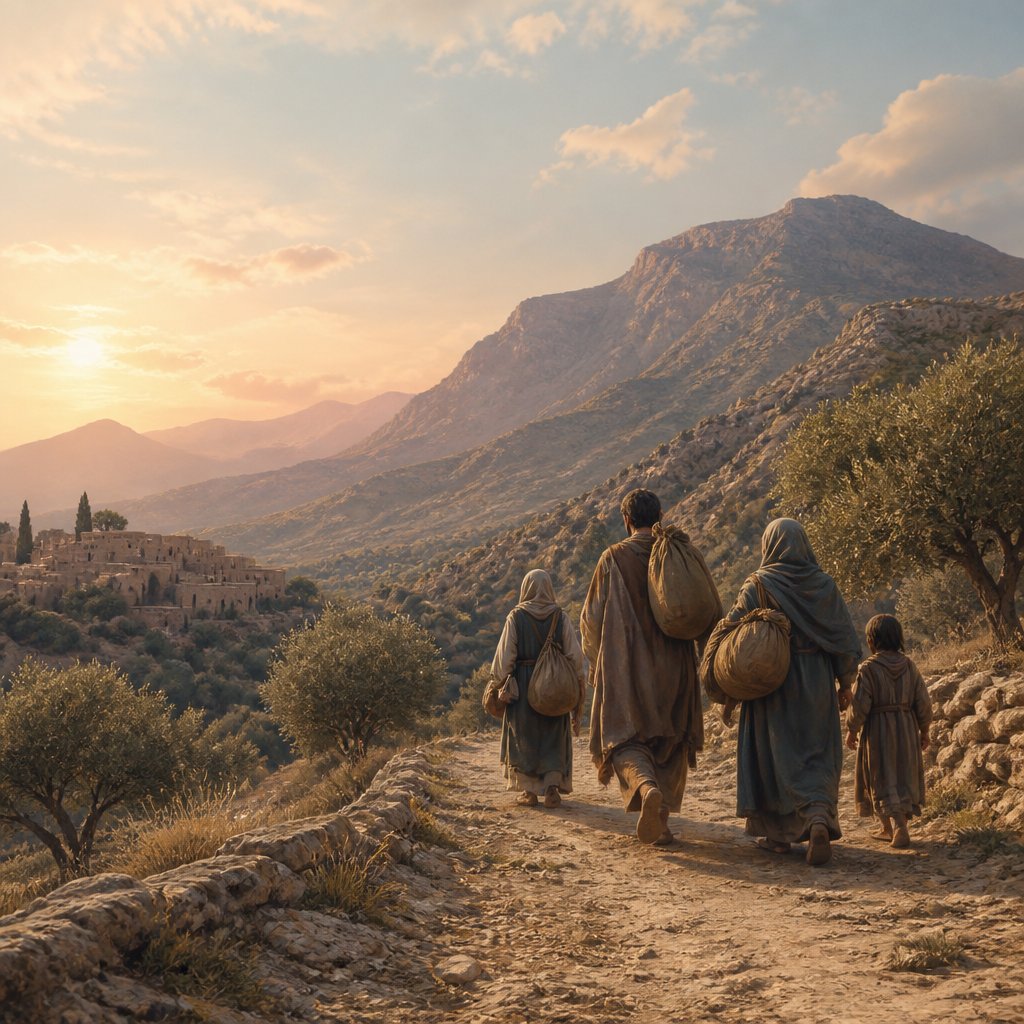
Matthew 24:16 in the King James Version (KJV) states, "Then let them which be in Judaea flee into the mountains." This verse appears within a prophetic passage spoken by Jesus regarding the signs of the end times, the destruction of Jerusalem, and the tribulations that would come upon those who inhabit the land. As we reflect upon this Scripture, we are invited to examine what it means to flee into the mountains and how this can be applied to our spiritual journeys today.
At first glance, the instruction to flee may seem alarming and drastic, yet it illuminates a profound truth about the nature of human existence and the inevitable trials we face. The context of Matthew 24 captures a moment where Jesus is foretelling the horrors that would come upon Jerusalem, urging His followers to prepare and respond accordingly. The call to take refuge in the mountains depicts not only physical safety but also a metaphor for seeking solace and guidance in God during times of crisis.
Mountains are often symbolic in the Bible, representing strength, stability, and an elevated place where one can encounter God. For instance, it was on a mountain that Moses received the Ten Commandments (Exodus 19:20), and Jesus delivered the Sermon on the Mount (Matthew 5:1). To flee into the mountains evokes the idea of ascending above the chaos that surrounds us and finding refuge in the steadfastness of our Creator.
When faced with perilous situations, the natural human inclination is to panic, to react, and to cling to what is familiar. However, Jesus’ words invite us to take a different approach—one that requires intentional movement towards safety and spiritual elevation. This fleeing is an act of faith which denotes trust in God’s provision and protection. It calls for us not to remain idle in the face of danger or hardship but to actively seek out the solace that comes from being close to the Lord.
In times of upheaval, we may experience our own crises—be it through loss, uncertainty, or the challenges of daily living. Perhaps we feel overwhelmed by the weight of our circumstances, yet we are reminded that even when times are tough, we have a choice. We can flee to the mountains, which is to say, we can retreat into the presence of God. The mountains represent a place where we can lay our burdens down, cry out for help, and receive comfort that surpasses understanding.
Moreover, fleeing to the mountains can also provoke us to consider community. In disasters, the call to flee requires a collective response; it is about looking out for one another. Just as the people in Judaea were to escape together to find refuge in the mountains, we too are called to uphold one another in prayer, support, and encouragement as we navigate life’s tribulations. Our spiritual journey is not meant to be solitary. We are part of the Body of Christ, where mutual support strengthens our resolve and enhances our faith.
As we approach our daily lives, let us remember that the mountains are accessible to us through prayer and the Word of God. Whenever fear creeps in and we feel surrounded by worldly troubles, we are encouraged to flee to prayer, to worship, and to the Scriptures, where we find divine responses to our trials. God promises in Psalm 46:1 that He is our refuge and strength, a very present help in trouble. In this assurance, we can trust that as we incline our hearts toward Him, He will guide us to the safety of the mountains.
In conclusion, Matthew 24:16 is not merely a directive to escape physical danger but a profound invitation to seek the refuge of God in all circumstances of life. Let us remember that fleeing to the mountains is a journey of faith—a movement toward God’s presence and an embrace of His strength in moments of uncertainty. May we continually choose to ascend to the heights of His salvation, where peace reigns even amid the storm.
Get our apps


Artwork for Matthew 24:16

Matthew 24:16 - "Then let them which be in Judaea flee into the mountains:"
"Then let them which be in Judaea flee into the mountains:" - Matthew 24:16

Matthew 16:24 - "¶ Then said Jesus unto his disciples, If any man will come after me, let him deny himself, and take up his cross, and follow me."

Matthew 24:35

Matthew 24:35

Matthew 24:35

Matthew 24:35

Matthew 24:35

Matthew 24:35

Matthew 24:35

Matthew 24:35

Matthew 24:35

Matthew 24:35

Matthew 24:15

Matthew 24:27

Matthew 6:24

Matthew 24:8

Matthew 6:24

Matthew 6:24

Matthew 6:24

Matthew 3:16

Matthew 24:8 - "All these are the beginning of sorrows."

Matthew 24:30-31

Matthew 24:30-31

Matthew 24:30-31

Matthew 24:30-31

Matthew 24:30-31

Matthew 24:30-31

Matthew 24:30-31

Matthew 3:16