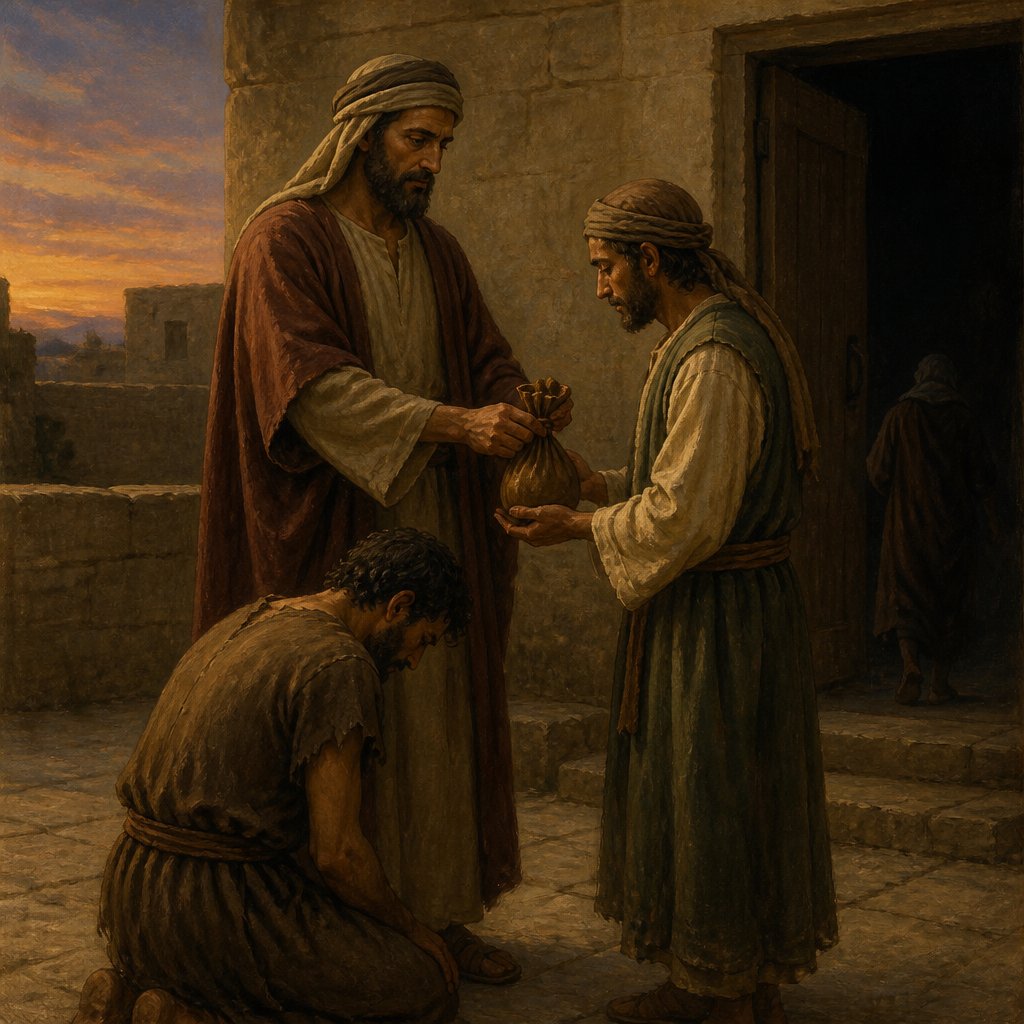
In the parable of the talents, Jesus illustrates profound truths about responsibility, opportunity, and the nature of our stewardship. Matthew 25:26-30 narrates the judgment of a servant who, due to his laziness and fear, chose to bury his talent rather than invest it wisely. The King James Version records this confrontation between the lord and the servant in verses 26 through 30: "His lord answered and said unto him, Thou wicked and slothful servant, thou knewest that I reap where I sowed not, and gather where I have not strawed: Thou oughtest, therefore, to have put my money to the exchangers, and then at my coming I should have received mine own with usury. Take, therefore, the talent from him, and give it unto him which hath ten talents. For unto every one that hath shall be given, and he shall have abundance: but from him that hath not shall be taken away even that which he hath. And cast ye the unprofitable servant into outer darkness: there shall be weeping and gnashing of teeth."
This passage lays bare the principles of divine accountability and the expectation that God has for each of us. The lord in this parable is clear. He expected not simply the preservation of what was entrusted to the servant but rather a fruitful multiplication of that which he had received. The harsh judgement pronounced on the unprofitable servant speaks to the seriousness of wasted opportunity and negligence.
"Thou wicked and slothful servant," the lord declares. Here, the unprofitable servant is characterized not only by his inaction but also by his wickedness. This might seem shocking—after all, this servant had done nothing explicitly wrong except not invest his talent. However, in the eyes of the master, inaction in the face of opportunity is evil. God does not delight in idleness; He desires our active engagement in His kingdom work. Lack of productivity equates to unfaithfulness.
What does it mean to be unfaithful? It means ignoring the gifts, the resources, and the opportunities that our Master has provided. Perhaps you find yourself identifying with this unprofitable servant, clinging to fear instead of faith. Sometimes we may feel inadequate, believing that we lack the skills or the confidence to step out into the calling God has placed on our lives. Yet God does not measure our potential by our perceived limitations but by His limitless opportunities.
In our busy lives, it is easy to fall into the trap of being busy without producing fruit. We can become consumed with regular activities, church attendance, or even good works while missing the intentional investment of the talents that God has entrusted to us. Jesus’ message here is clear—our faith should yield fruit. He envisions a people who take risks, step out in faith, and handle the gifts of grace with purpose.
Verse 29 reveals an equally potent truth: "For unto every one that hath shall be given, and he shall have abundance: but from him that hath not shall be taken away even that which he hath." This serves as both an encouragement and a caution. The faithful servant will see his efforts rewarded with greater responsibility and abundance, while the lazy servant faces loss. God desires to give us more, but such increase requires faithfulness in what has already been entrusted.
Finally, the parable concludes with stern consequences for the unprofitable servant: "cast ye the unprofitable servant into outer darkness." This dramatic imagery reflects the weight of purposefulness in our response to God. We are called not only to be doers of the Word but to be faithful stewards as we await His return.
Beloved, let us examine our lives and consider the gifts and opportunities God has placed in our hands. Are we investing them for His glory, or are they buried in the soil of fear? Let this parable propel us to action, transforming our daily walk into a faithful stewardship of His kingdom. May our lives echo the call not only to know Him but also to make Him known through our talents, resources, and our very lives.
Get our apps


Artwork for Matthew 25:26-30

Matthew 25:26-30 - "His master replied, 'You wicked, lazy servant! So you knew that I harvest where I have not sown and gather where I have not scattered seed? Well then, you should have put my money on deposit with the bankers, so that when I returned I would have received it back with interest. 'So take the bag of gold from him and give it to the one who has ten bags. For whoever has will be given more, and they will have an abundance. Whoever does not have, even what they have will be taken from them. And throw that worthless servant outside, into the darkness, where there will be weeping and gnashing of teeth.'"
"His master replied, 'You wicked, lazy servant! So you knew that I harvest where I have not sown and gather where I have not scattered seed? Well then, you should have put my money on deposit with the bankers, so that when I returned I would have received it back with interest. 'So take the bag of gold from him and give it to the one who has ten bags. For whoever has will be given more, and they will have an abundance. Whoever does not have, even what they have will be taken from them. And throw that worthless servant outside, into the darkness, where there will be weeping and gnashing of teeth.'" - Matthew 25:26-30

Matthew 26:25

Matthew 26:30 - "And when they had sung an hymn, they went out into the mount of Olives."

Matthew 25:30 - "And cast ye the unprofitable servant into outer darkness: there shall be weeping and gnashing of teeth."

Matthew 26:25 - "Then Judas, which betrayed him, answered and said, Master, is it I? He said unto him, Thou hast said."
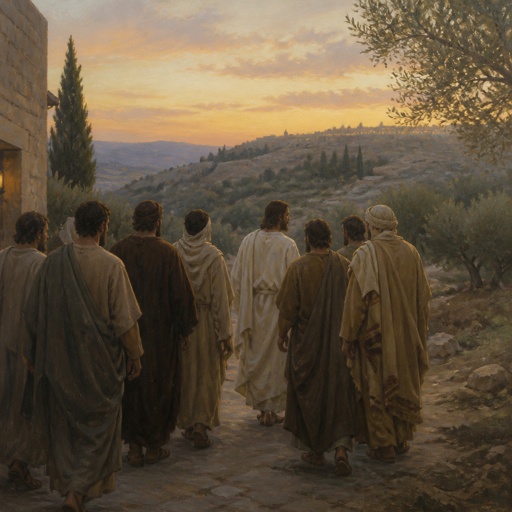
"And when they had sung an hymn, they went out into the mount of Olives." - Matthew 26:30
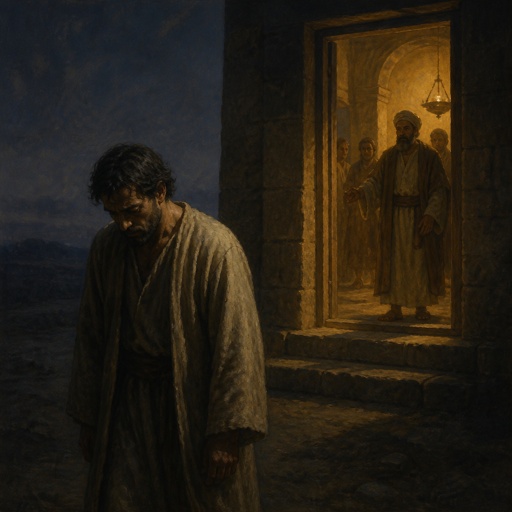
"And cast ye the unprofitable servant into outer darkness: there shall be weeping and gnashing of teeth." - Matthew 25:30

Matthew 25:26 - "His lord answered and said unto him, Thou wicked and slothful servant, thou knewest that I reap where I sowed not, and gather where I have not strawed:"

Matthew 25:25

Exodus 26:30

Matthew 25: 14-25

Matthew 6:30

Matthew 5:30

Matthew 5:30

Genesis 26:25

Genesis 25-26

"Then Judas, which betrayed him, answered and said, Master, is it I? He said unto him, Thou hast said." - Matthew 26:25

Matthew 24:30-31

Matthew 24:30-31

Matthew 24:30-31

Matthew 24:30-31

Matthew 24:30-31

Matthew 24:30-31

Matthew 24:30-31

Matthew 24:30-31

Matthew 24:30-31

Matthew 24:30-31

Matthew 26:15

Matthew 19:26